
Introduction: The Rise of Esports
In the past decade, esports has transformed from a niche hobby into a global phenomenon that rivals traditional sports in both popularity and revenue. Competitive video gaming, once confined to small communities and local tournaments, now attracts millions of viewers, professional athletes, and corporate sponsorships. Esports has carved out its place as a legitimate form of entertainment, providing players and fans with an immersive experience unlike any other.
The rise of esports is fueled by technological advancements, widespread internet access, and a growing culture of gaming across generations. With organized leagues, multi-million-dollar prize pools, and international tournaments, esports is no longer just about casual gameplay—it is a professional, structured, and highly competitive industry. This blog explores the history, growth, cultural impact, economic significance, and future of esports.
The Origins of Esports
The roots of esports can be traced back to the 1970s and 1980s, when arcade competitions and early video game tournaments began emerging. Games like Space Invaders, Pac-Man, and later, Street Fighter and Mortal Kombat, provided the first platforms for competitive gaming. These events, though small in scale, laid the groundwork for the esports ecosystem by fostering competition and community.
By the late 1990s and early 2000s, competitive gaming had moved online with the rise of games such as StarCraft, Counter-Strike, and Warcraft III. Internet connectivity enabled players to compete globally, breaking geographic barriers and creating new fan bases. Early esports tournaments, often organized by gaming communities, demonstrated that competitive gaming could attract audiences and generate excitement comparable to traditional sports.
The Evolution of Esports
Esports evolved rapidly with advancements in gaming technology and online platforms. Multiplayer online battle arena (MOBA) games like League of Legends and Dota 2 introduced strategic team-based gameplay that captivated audiences worldwide. First-person shooters (FPS) such as Counter-Strike: Global Offensive and Call of Duty emphasized reflexes, coordination, and precision, appealing to a different type of competitive gamer.
Online streaming platforms, most notably Twitch, changed how esports is consumed. Fans could watch live matches, interact with players, and participate in global communities, creating an unprecedented level of engagement. The growth of professional leagues, sponsored tournaments, and collegiate esports programs further legitimized competitive gaming as a career path.
Today, esports encompasses a wide range of genres and formats, including fighting games, racing simulations, sports simulations, and battle royale games. The industry has matured into a professional ecosystem with teams, coaches, analysts, commentators, and production crews.
The Structure of Competitive Esports
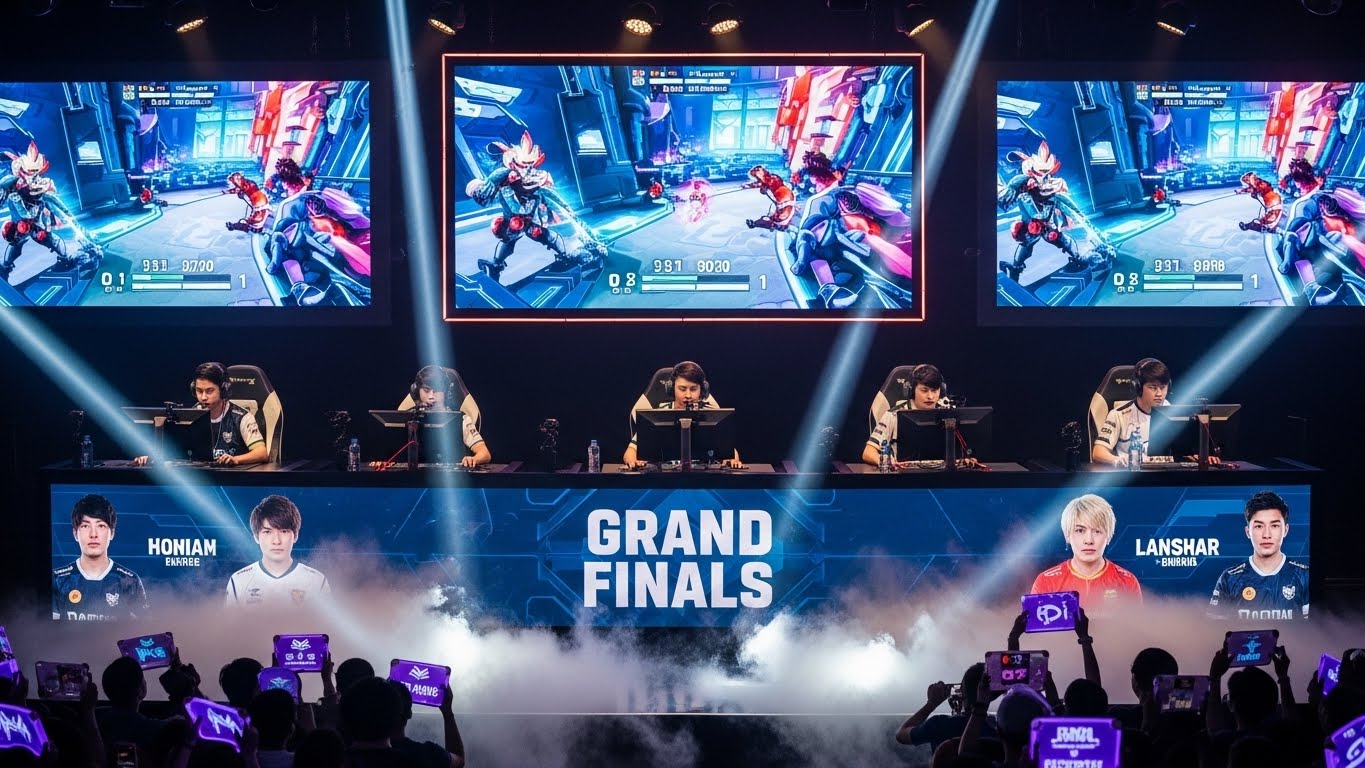
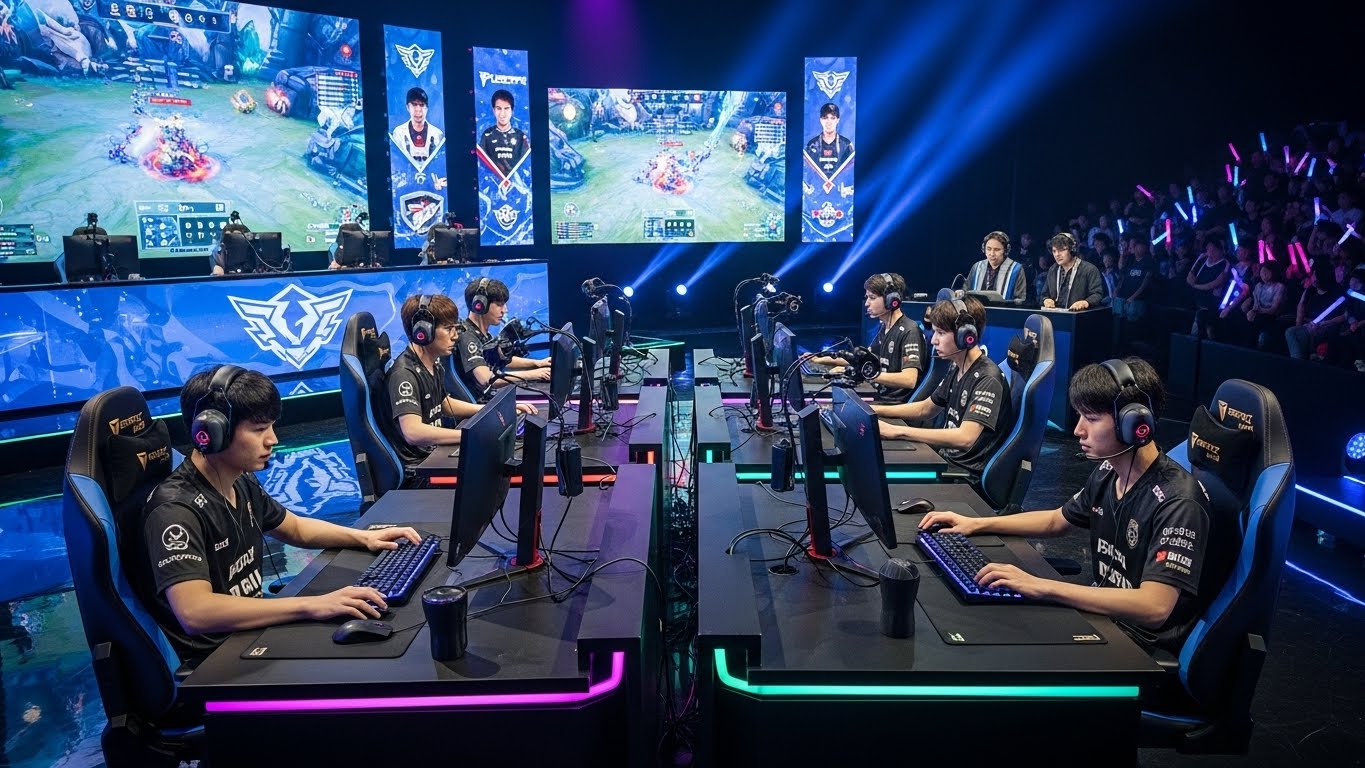
Esports is highly structured, with tournaments, leagues, and seasons that rival traditional sports. Professional teams often sign players under contracts, provide training facilities, and employ support staff to ensure peak performance. Major tournaments are broadcast live with high-quality production, including commentary, analysis, and viewer interaction.
Leagues such as the League of Legends Championship Series (LCS) and the Overwatch League have adopted city-based franchises similar to traditional sports, creating localized fan bases and long-term engagement. International competitions, including the Dota 2 International and Fortnite World Cup, offer multi-million-dollar prize pools that attract top talent from around the globe.
The competitive structure also includes amateur and semi-professional circuits, where aspiring players can gain experience and recognition. Collegiate esports programs provide additional pathways for players to develop their skills while pursuing education. This structured ecosystem ensures a pipeline of talent and sustains long-term growth in the industry.
Esports and Its Cultural Impact
Esports has become a cultural phenomenon that extends beyond gaming. It has influenced fashion, media, music, and social interactions. Fans emulate their favorite players, follow team merchandise, and participate in online communities that celebrate shared passions. Esports tournaments are often live-streamed to millions of viewers worldwide, creating a collective experience akin to attending a major sports event.
The inclusivity of esports is particularly notable. Unlike many traditional sports, esports allows individuals of all genders, backgrounds, and physical abilities to compete on equal footing. This accessibility has helped gaming culture reach diverse audiences and foster global communities united by shared interest and competition.
Esports has also influenced mainstream entertainment. Celebrity appearances, crossover collaborations, and esports content in movies and television have introduced the culture to a broader audience. Streaming personalities and content creators have become public figures, shaping trends and connecting fans with the competitive scene.
The Economic Significance of Esports
Esports has grown into a multi-billion-dollar industry, generating revenue through sponsorships, advertising, ticket sales, merchandise, and media rights. Corporate sponsors, including major technology, beverage, and apparel brands, invest heavily in teams, tournaments, and streaming platforms, recognizing the industry’s marketing potential.
The professionalization of esports has created career opportunities beyond playing, including coaching, event management, broadcasting, content creation, and analytics. The economic impact extends to infrastructure, with venues, production studios, and gaming cafes providing employment and business opportunities.
Prize pools in esports tournaments often reach staggering amounts. For example, Dota 2’s International tournament regularly exceeds tens of millions of dollars, making esports a viable and lucrative career for top players. The commercialization and monetization of esports reflect its status as a mainstream entertainment and professional sector.
Technology Driving Esports
The growth of esports relies heavily on technological innovation. High-speed internet and powerful gaming hardware enable seamless online gameplay, while streaming platforms allow fans to engage in real-time. Game developers continually update titles, balancing gameplay and introducing new content to keep the competitive scene dynamic.
Virtual reality and augmented reality offer potential for immersive esports experiences, creating new forms of engagement for both players and spectators. Analytics and performance tracking tools provide teams with strategic insights, optimizing gameplay and training methods. Advanced production technology ensures high-quality live broadcasts, making esports accessible and appealing to a global audience.
Cloud gaming and cross-platform play are emerging trends that make esports more inclusive and convenient. Players can compete on various devices without high-end hardware, expanding participation and viewership. Technology continues to shape esports, enhancing accessibility, performance, and fan engagement.
The Social Benefits of Esports
Esports fosters social interaction and community building. Online multiplayer games create global networks where players communicate, collaborate, and compete. Fans follow their favorite teams and players, forming communities that extend across social media, forums, and streaming platforms.
Esports also promotes teamwork, leadership, and strategic thinking. Players must coordinate with teammates, make quick decisions, and adapt to evolving situations. Competitive gaming develops resilience, patience, and emotional regulation, skills that are transferable to other areas of life.
Collegiate esports and local tournaments provide opportunities for social engagement in educational settings. These programs encourage networking, mentorship, and community involvement, demonstrating that esports is more than a solitary activity—it is a platform for collaboration and connection.
Challenges Facing Esports
Despite its rapid growth, esports faces several challenges. Player burnout is a significant issue due to intensive training schedules, travel demands, and high-pressure environments. Mental and physical health concerns require attention, and many organizations now provide support resources to mitigate these risks.
Regulatory and legal issues also pose challenges. Gambling, sponsorship ethics, intellectual property, and labor regulations must be navigated carefully to maintain fairness and legitimacy. Cybersecurity is another concern, as online platforms are vulnerable to hacking, cheating, and fraud.
The perception of esports remains a hurdle in some regions, where traditional views of sports and competition may undervalue competitive gaming. Continued advocacy, education, and mainstream exposure are necessary to strengthen esports’ credibility as a legitimate and professional industry.
The Future of Esports
The future of esports is bright, with continued growth in popularity, investment, and technological innovation. Virtual reality, augmented reality, and cloud gaming will expand opportunities for immersive experiences. Emerging games and genres will diversify the competitive landscape, attracting new audiences.
Esports may continue to integrate with traditional sports, entertainment, and education, creating hybrid experiences and professional opportunities. Global tournaments, collegiate programs, and franchised leagues will further establish esports as a mainstream cultural and professional pursuit.
Inclusion, diversity, and accessibility will remain key priorities, ensuring that esports can reach players and fans worldwide. The expansion of streaming platforms, mobile esports, and interactive technologies will make esports more engaging and participatory than ever before.
Conclusion
Esports has emerged as a transformative force in modern entertainment, bridging technology, culture, and competition. From its humble beginnings in arcades and small tournaments to massive international events with millions of viewers, esports has proven its legitimacy as both a profession and a cultural phenomenon.
With structured leagues, professional teams, technological advancements, and global communities, esports continues to grow in scope and influence. It fosters social connection, skill development, and cultural exchange while creating economic opportunities for players, organizers, and businesses alike.
As the industry evolves, esports will remain at the intersection of gaming, entertainment, and innovation, shaping the future of digital competition and providing experiences that captivate, inspire, and connect people worldwide.