Introduction: The Rise of Esports
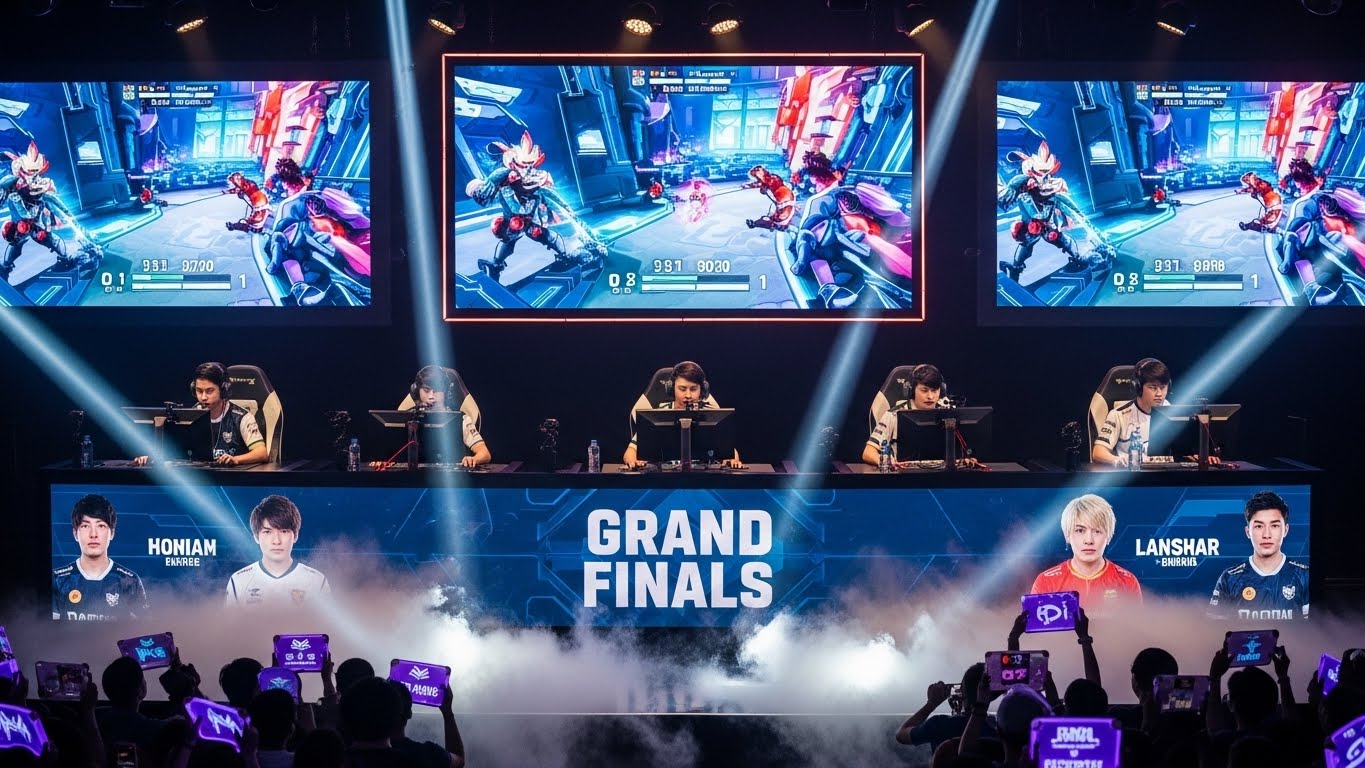
Esports, short for electronic sports, has evolved from niche gaming communities into a global phenomenon that rivals traditional sports in popularity and influence. What once began as casual video game competitions among friends has transformed into professional leagues, massive tournaments, and a billion-dollar industry. Today, esports attracts millions of players, fans, and sponsors worldwide. It combines skill, strategy, teamwork, and entertainment in ways that resonate with modern audiences. This blog explores the growth, impact, and significance of esports in contemporary society.
A Brief History of Esports
The roots of esports trace back to the 1970s and 1980s when early arcade games like “Space Invaders” and “Pong” attracted competitive players. The 1990s saw the emergence of competitive PC gaming with titles such as “StarCraft” and “Quake,” which allowed players to compete regionally and internationally. The 2000s marked a turning point with the rise of online multiplayer games like “Counter-Strike” and “League of Legends,” connecting players globally and enabling larger competitions. Today, esports is recognized as a professional discipline with dedicated teams, coaches, analysts, and global audiences.
Understanding Esports: More Than Just Gaming
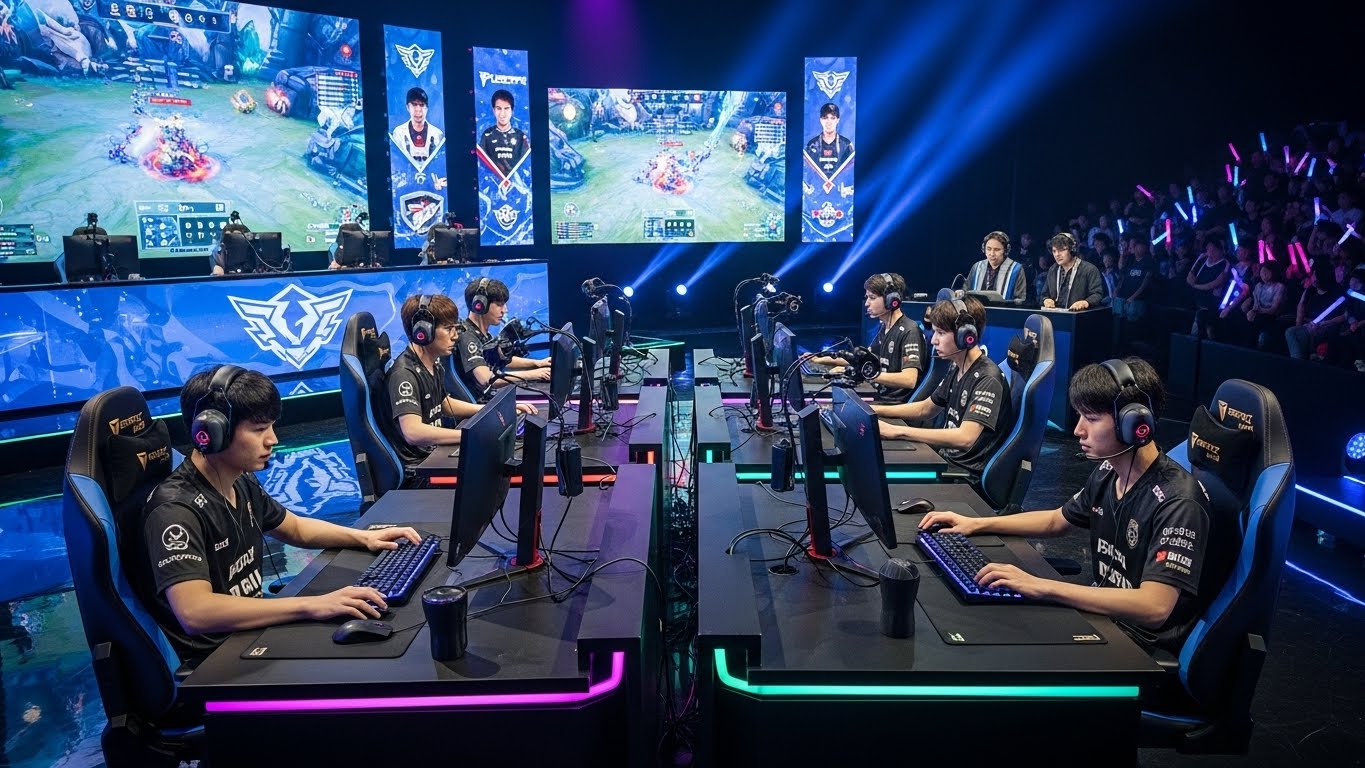
Esports is often misunderstood as simply playing video games, but it is far more complex. It involves rigorous training, mental acuity, quick reflexes, and strategic thinking. Professional players dedicate hours daily to mastering mechanics, studying opponents, and refining team coordination. Each match requires precision, communication, and adaptability. Like traditional sports, esports demands dedication, discipline, and resilience. The combination of skill and entertainment makes esports a compelling experience for both players and spectators.
Popular Esports Genres and Games
Esports encompasses a wide variety of game genres, each with unique challenges and strategies. Multiplayer online battle arenas (MOBAs) like “League of Legends” and “Dota 2” focus on teamwork, strategy, and fast decision-making. First-person shooters (FPS) such as “Counter-Strike” and “Call of Duty” emphasize precision, reflexes, and tactical planning. Battle royale games like “Fortnite” combine survival, exploration, and quick thinking. Real-time strategy (RTS) games challenge players to manage resources and execute complex strategies. Each genre attracts dedicated communities, creating diverse and vibrant esports ecosystems.
The Professional Esports Scene
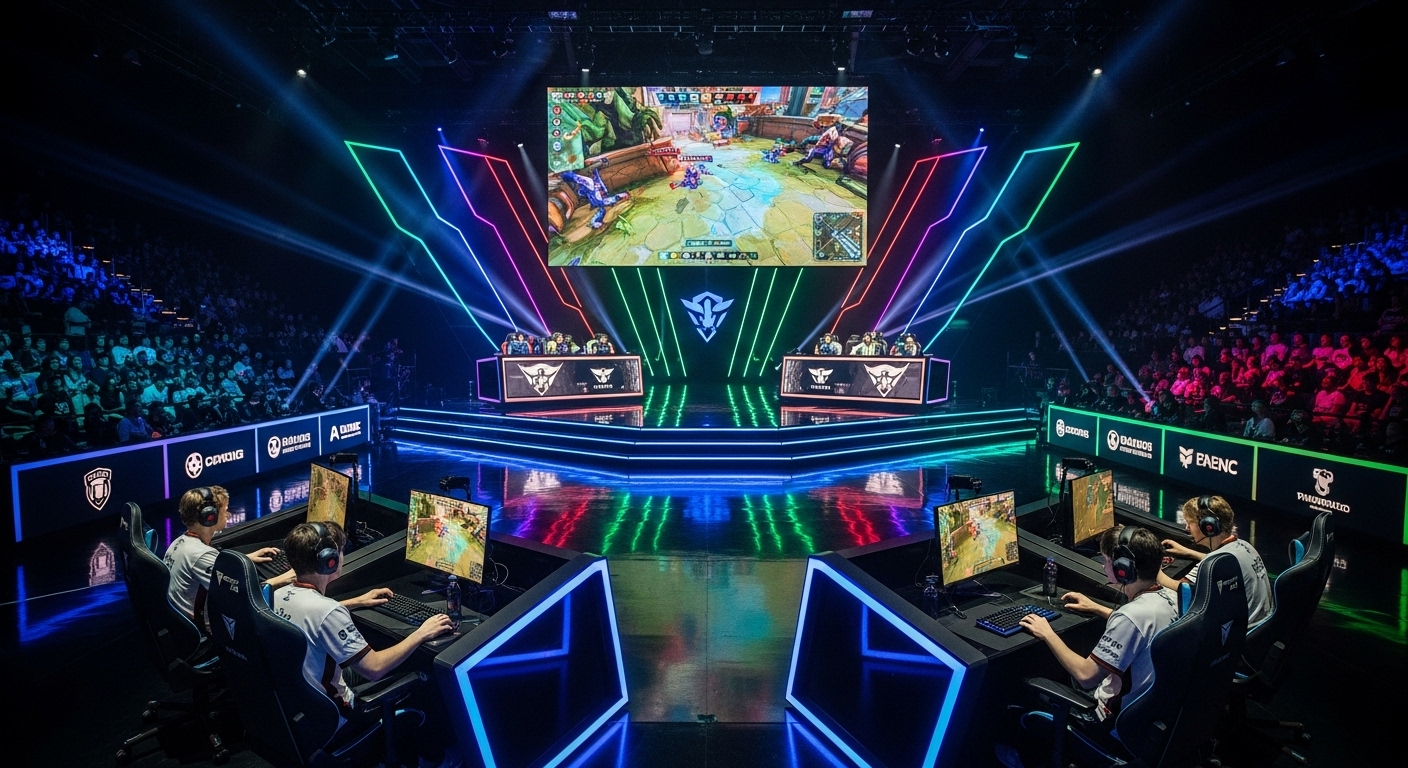
Professional esports is a structured, competitive environment with organized leagues, sponsorships, and substantial prize pools. Players often belong to teams with specialized roles, coaches, and support staff. Tournaments like the “League of Legends World Championship” or “The International Dota 2” attract millions of viewers worldwide and offer multimillion-dollar prizes. The professional scene mirrors traditional sports in its demands: intense practice schedules, mental coaching, and strategic analysis. Esports athletes are celebrities, influencers, and role models, shaping gaming culture on a global scale.
The Economic Impact of Esports
Esports is a thriving industry generating billions of dollars annually. Revenue streams include sponsorship deals, advertising, merchandise, media rights, and ticket sales for live events. Major brands invest in esports to reach younger, tech-savvy audiences, while streaming platforms provide monetization opportunities for players and organizers. The growth of esports has created jobs beyond competitive play, including content creation, event management, coaching, analytics, and marketing. Its economic impact demonstrates the legitimacy and influence of esports as a professional and commercial enterprise.
The Role of Streaming and Online Platforms
Streaming platforms are central to the success of esports. Services like Twitch, YouTube Gaming, and other live streaming sites allow millions of fans to watch matches in real time, interact with players, and follow their favorite teams. Streamers and professional players build large followings, creating communities that extend beyond competitive play. Online platforms have democratized access to esports, enabling aspiring players from around the world to showcase their skills, learn from professionals, and gain recognition. Streaming has transformed gaming from a solitary activity into a shared, global experience.
Mental and Physical Demands of Esports
Esports is often perceived as sedentary, but professional play requires intense mental focus and physical endurance. Players must maintain concentration for long periods, react to fast-paced scenarios, and execute precise actions under pressure. Mental stamina, strategic thinking, and emotional resilience are critical for success. Additionally, physical health plays a role, as repetitive movements and extended screen time can lead to strain or injury. Professional teams often incorporate fitness routines, ergonomics, and mental coaching to support peak performance.
Esports and Education
Esports is increasingly being integrated into educational institutions. Schools and universities around the world offer esports programs, scholarships, and dedicated facilities. These programs teach teamwork, strategic thinking, communication, and leadership while promoting technological literacy. Students gain opportunities to pursue professional gaming careers, content creation, or roles in esports management and analysis. Incorporating esports into education bridges gaming with learning, offering practical skills that extend beyond the virtual battlefield.
Community and Social Impact of Esports
Esports fosters vibrant communities where players, fans, and creators connect through shared interests. Online forums, social media groups, and live chat interactions create a sense of belonging. Esports also promotes inclusion, enabling players from diverse backgrounds, abilities, and locations to participate equally. Beyond entertainment, esports communities often engage in charitable initiatives, mentorship programs, and advocacy for mental health awareness. The social dimension of esports demonstrates its potential to unite people and promote positive change.
Women in Esports: Breaking Barriers
Historically, esports has been male-dominated, but female participation is growing rapidly. Women are competing professionally, streaming content, and taking leadership roles within organizations. Initiatives encouraging inclusivity and representation are helping to break stereotypes and create more equitable opportunities. Prominent female players serve as role models, inspiring young girls to pursue esports careers. The rise of women in esports highlights the industry’s potential for diversity, innovation, and social progress.
Challenges Facing the Esports Industry
Despite its growth, esports faces several challenges. Issues like online harassment, toxicity in gaming communities, and the pressure of professional competition can affect mental health. The lack of standardized regulations, inconsistent career longevity, and dependence on sponsorships pose risks for players. Balancing screen time, physical health, and social interactions is another challenge, especially for younger players. Addressing these concerns is crucial for ensuring sustainable growth, player well-being, and a positive perception of esports.
The Future of Esports
The future of esports looks promising and dynamic. Virtual reality and augmented reality technologies are creating immersive competitive experiences, while mobile esports is expanding access to new audiences. International recognition, including discussions of esports in multi-sport events and potential inclusion in global competitions, reflects its growing legitimacy. Adaptive esports programs for players with disabilities are also gaining attention, making the industry more inclusive. As technology and global engagement evolve, esports is poised to become a mainstream form of entertainment, competition, and community building.
Conclusion: Esports as a Cultural and Competitive Force
Esports has transcended its origins as casual gaming to become a professional, economic, and cultural powerhouse. It blends skill, strategy, entertainment, and community, redefining competition for the digital age. From professional leagues to grassroots tournaments, esports creates opportunities for players, fans, and organizations worldwide. It promotes social interaction, inclusivity, education, and technological literacy. As the industry grows, esports continues to influence global culture, proving that competition, teamwork, and passion are not limited to traditional sports—they thrive in virtual arenas as well.