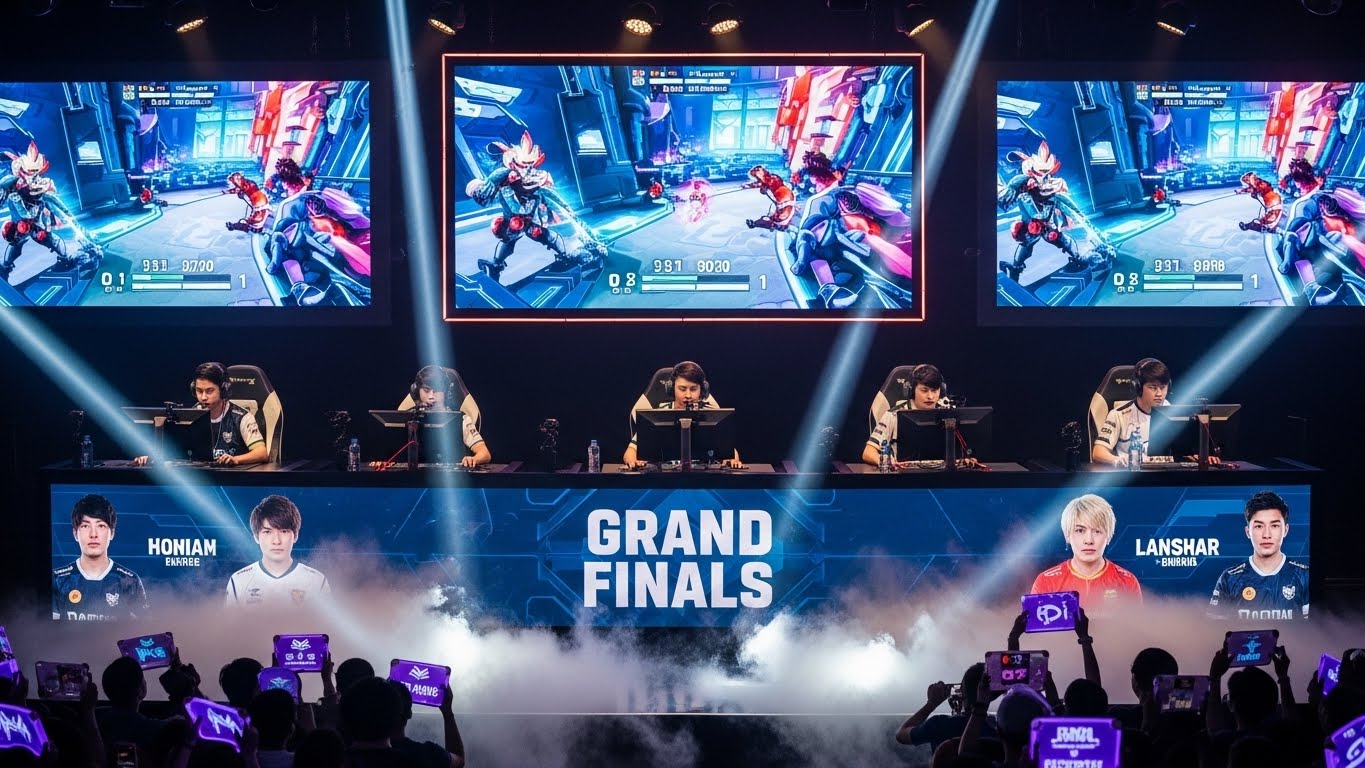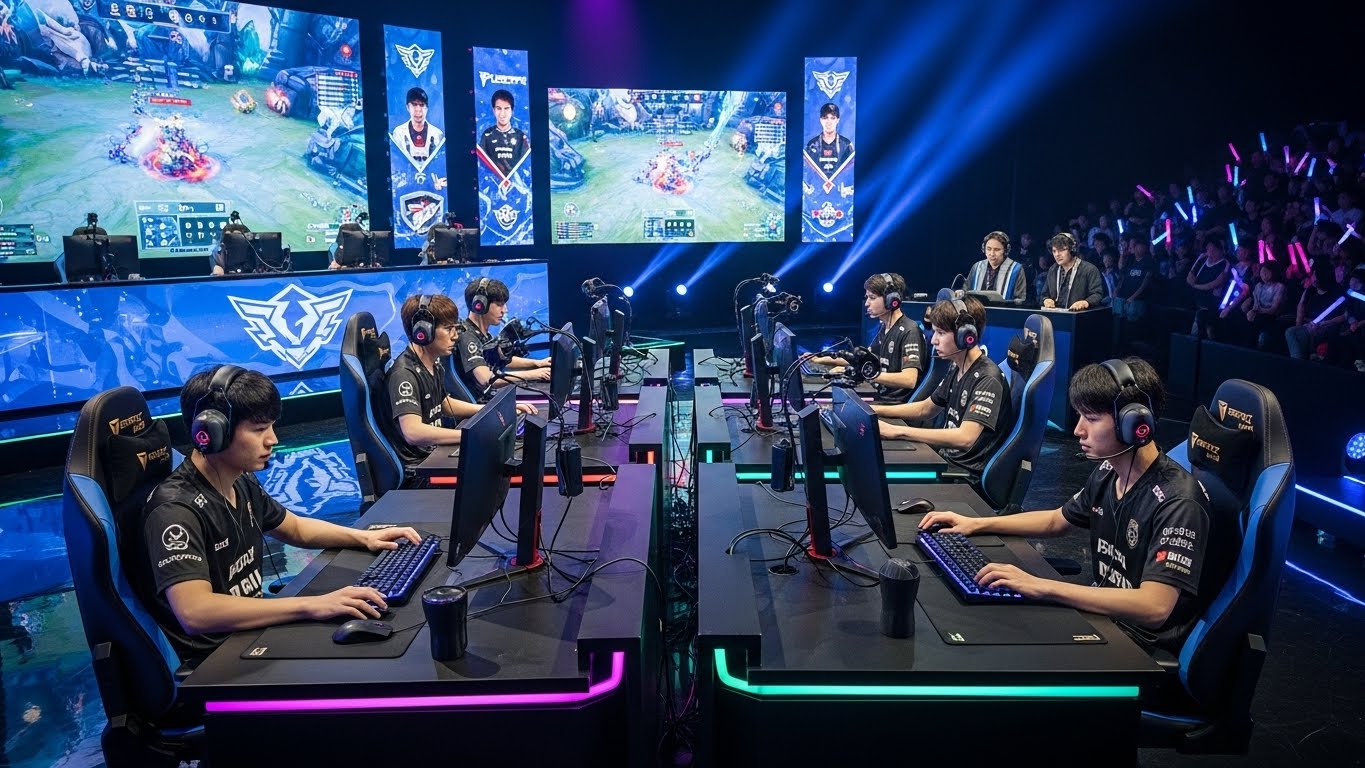
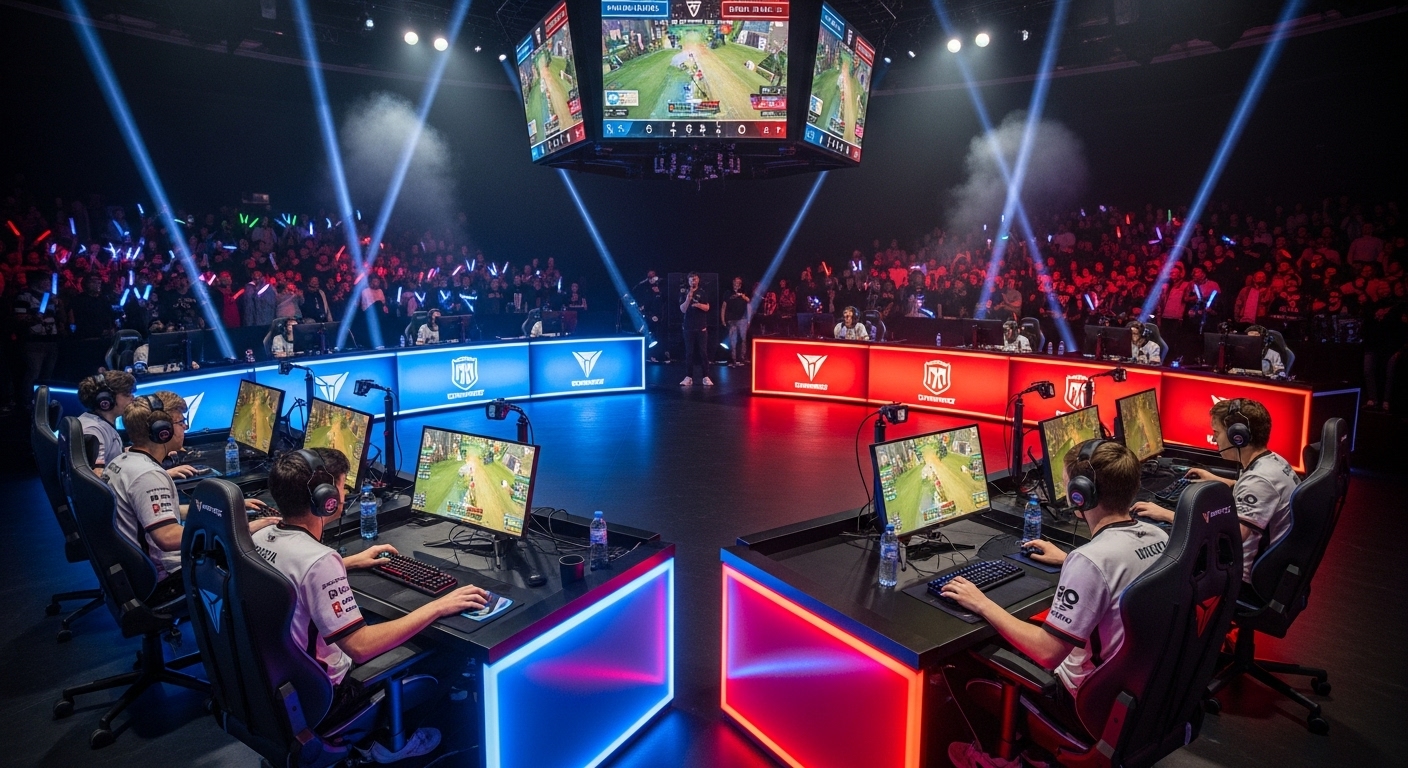
Esports has evolved from a niche hobby into a global phenomenon that captivates millions of fans and players worldwide. Once considered just video games played for fun, esports now represents a billion-dollar industry with professional leagues, international tournaments, and dedicated fan bases. In this blog, we explore the rise of esports, its cultural impact, the technology behind it, and the future of competitive gaming.
The Evolution of Esports: From Arcade Competitions to Global Arenas
Esports has come a long way since the early days of arcade competitions and local gaming tournaments. In the 1980s and 1990s, gamers would gather at local arcades or small competitions to showcase their skills in titles like Street Fighter and Pac-Man. These events, though modest, laid the groundwork for competitive gaming as a legitimate form of entertainment.
With the rise of online gaming in the 2000s, esports expanded rapidly. Players could compete with others from around the world, leading to the creation of professional teams and organized leagues. Titles like StarCraft, Counter-Strike, and Warcraft became staples in the competitive gaming scene, with fans tuning in to watch the best players compete for prestige and prize money.
Today, esports tournaments fill massive arenas, are broadcast to millions online, and feature athletes who dedicate their lives to gaming. The journey from small arcades to global stages reflects how esports has matured into a serious and highly organized industry.
Popular Esports Titles That Define the Industry
The esports industry thrives on popular game titles that attract players and audiences alike. Multiplayer online battle arena (MOBA) games, first-person shooters (FPS), and battle royale games dominate the scene. Titles like League of Legends, Dota 2, Counter-Strike: Global Offensive, Valorant, and Fortnite have become household names in the esports community.
Each game brings its unique competitive style. MOBAs emphasize teamwork, strategy, and quick decision-making, while FPS games demand precision, reflexes, and map control. Battle royale games combine survival instincts with adaptability, often resulting in highly unpredictable matches that keep audiences on the edge of their seats.
The variety in esports titles ensures that the industry caters to a diverse audience. Whether fans prefer fast-paced action, strategic gameplay, or immersive storytelling, esports offers a genre that suits every preference.
Professional Esports: Athletes, Teams, and Leagues
One of the most remarkable aspects of esports is the rise of professional players and teams. Gamers today train rigorously, often practicing eight to twelve hours daily, focusing on mechanical skills, strategy, communication, and mental resilience. Esports athletes compete in leagues that mirror traditional sports structures, complete with coaches, analysts, and team managers.
Teams often have sponsors, branded merchandise, and fan engagement strategies. Professional esports players have become influencers in their own right, commanding large followings on social media and streaming platforms. Tournaments like The International for Dota 2 and the League of Legends World Championship offer prize pools that rival traditional sports events, elevating esports to a professional and financially viable career path.
This professionalization has helped legitimize esports in the eyes of mainstream audiences, proving that gaming is not just entertainment but a serious competitive endeavor.
The Role of Streaming in Esports Growth
Streaming platforms have been a cornerstone in the rise of esports. Services that allow gamers to broadcast live gameplay have turned competitive gaming into a spectator sport accessible to millions worldwide. Fans can watch live tournaments, follow favorite players, or engage in community-driven content that keeps them connected to the esports scene.
Streaming has also enabled aspiring players to showcase their skills and build fan bases without traditional sponsorships. Many professional players were discovered through online streaming, highlighting the role of digital platforms in democratizing esports opportunities.
Moreover, streaming has created new revenue models for esports. Donations, subscriptions, advertising, and sponsorship deals have allowed content creators and professional players to sustain their careers, fueling the growth of the entire ecosystem.
The Business of Esports: Sponsorships, Merchandise, and Media Rights
Esports is more than just competition; it is a thriving business sector. Sponsorships play a crucial role, with brands investing millions to associate with top players, teams, and tournaments. Tech companies, energy drinks, fashion brands, and even non-gaming industries recognize the marketing potential of esports, reaching a younger, tech-savvy audience.
Merchandise has also become a significant revenue stream. Fans purchase team jerseys, accessories, and collectibles to show support for their favorite players or franchises. Media rights further add to the economic growth, with streaming platforms and networks paying for exclusive broadcasting deals.
The financial ecosystem surrounding esports demonstrates that it has become a sustainable industry with multiple revenue channels, attracting both investors and mainstream media attention.
Esports and Global Communities
Esports has a unique ability to unite people across borders. International tournaments bring together players from different countries, showcasing cultural diversity and global talent. Fans connect through social media, forums, and live chat, forming communities that transcend geographical boundaries.
These global communities foster collaboration and healthy competition. They create opportunities for knowledge sharing, skill improvement, and social engagement. Whether participating as a player or spectating as a fan, people find a sense of belonging in the esports world that traditional sports cannot always replicate.
The community aspect of esports is essential to its growth, as it provides the emotional and social fabric that keeps audiences engaged beyond the gameplay itself.
The Mental and Physical Demands of Esports
Despite the digital nature of gaming, esports requires exceptional mental and physical discipline. High-level players must maintain focus, quick reflexes, and strategic thinking under pressure. Mental endurance is critical, especially in long tournaments that can last several hours per match or even multiple days.
Physical health is equally important. Many professional teams incorporate fitness routines, proper nutrition, and ergonomic practices to ensure players maintain peak performance. Mental health awareness has also become a priority, with players and organizations addressing burnout, stress, and the psychological demands of competitive gaming.
These aspects highlight that esports athletes are not just skilled gamers but disciplined professionals who train their minds and bodies to perform at the highest level.
Esports as an Educational Tool
Esports has educational potential beyond entertainment. Schools and universities worldwide have begun incorporating esports programs, offering scholarships, team participation, and curriculum integration. Students learn teamwork, strategic thinking, communication, and problem-solving skills, all of which are transferable to other professional and academic contexts.
Educational esports programs also introduce students to technology, coding, and game design, bridging the gap between gaming and STEM careers. The growing academic recognition of esports demonstrates that competitive gaming is not just a pastime but a valuable tool for personal and professional development.
Challenges Facing the Esports Industry
Despite its rapid growth, esports faces several challenges. Competitive integrity, cheating, and match-fixing are concerns that organizations continuously address. Ensuring fair play, accurate ranking systems, and anti-cheat mechanisms are critical for maintaining trust within the community.
Another challenge is sustainability. Professional careers in esports can be short-lived, and mental burnout is a real issue. Organizations are working to improve player welfare, contract terms, and career transition programs to create a more sustainable ecosystem.
Furthermore, regulatory and cultural acceptance varies by region, and the industry must navigate legal frameworks, societal perceptions, and infrastructure limitations to continue expanding globally.
The Future of Esports: Innovation and Growth
The future of esports is promising and filled with innovation. Emerging technologies such as virtual reality, augmented reality, and artificial intelligence will redefine competitive gaming experiences. Imagine immersive tournaments where players and spectators engage in virtual arenas, blurring the line between digital and physical entertainment.
Expanding markets in regions like Asia, South America, and Africa will further globalize esports, introducing new talent pools and fan communities. Additionally, collaborations with traditional sports, media, and entertainment sectors will increase visibility and mainstream acceptance.
As esports continues to innovate and evolve, it will solidify its place as a permanent fixture in global culture, offering excitement, opportunity, and connection for generations to come.
Why Esports Matters in Modern Society
Esports is more than a form of entertainment. It is a cultural movement, a professional pursuit, and a global community. It teaches discipline, teamwork, and strategy while offering a platform for creativity, expression, and social interaction.
In a world where digital experiences dominate, esports provides both a sense of achievement and a shared connection among millions. It shows that competition, skill, and passion are not confined to traditional sports arenas—they can thrive in virtual spaces too.
Esports has proven that gaming is not just a hobby; it is a lifestyle, a career, and a cultural phenomenon that continues to reshape entertainment worldwide.