
Introduction: Esports – A Growing Global Industry
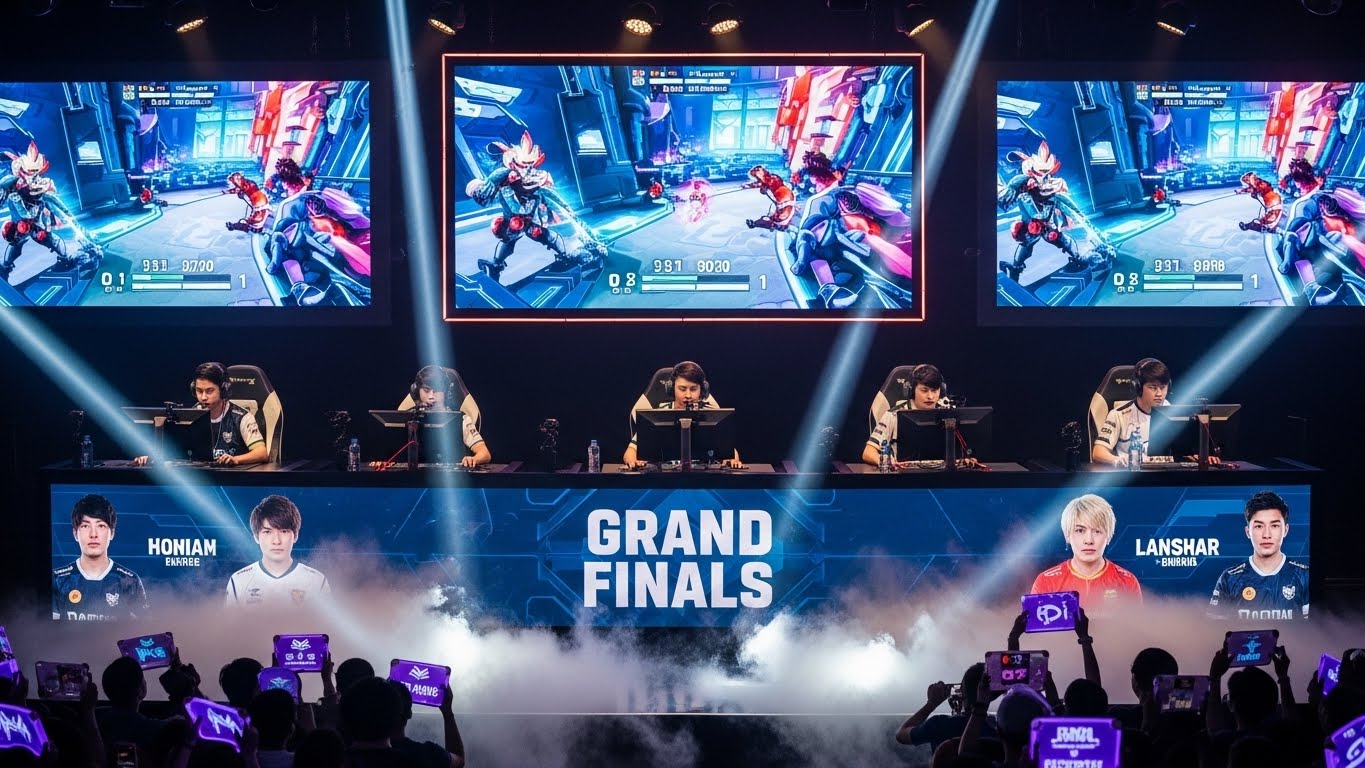
Esports, or competitive video gaming, has evolved over the last few decades from a niche interest to one of the largest entertainment industries in the world. Once relegated to underground LAN parties and small-time tournaments, esports now enjoys massive global visibility, with professional players, multi-million dollar prize pools, and legions of dedicated fans watching from all corners of the globe. This phenomenon has changed the way we view sports, entertainment, and even social interactions in the digital age. Today, esports tournaments rival the excitement and scale of traditional sports, and millions of dollars are invested annually in teams, sponsorships, and events.
In this post, we’ll explore the growth, challenges, cultural impact, and future of esports, shedding light on how the industry has become the powerhouse it is today and where it’s headed in the years to come.
The Origins of Esports: From Arcade Games to Online Battles
To truly understand the meteoric rise of esports, we must look back at its humble beginnings. Competitive gaming can trace its roots to the 1970s and 1980s when arcade games like Pong and Space Invaders saw early forms of competition. However, it wasn’t until the advent of personal computers and online gaming in the 1990s that esports began to take shape in its modern form.
Games like Doom, Warcraft, and Starcraft provided platforms for players to compete against one another, both locally in LAN parties and later, over the internet. The growth of broadband internet and the popularity of first-person shooters like Quake and Counter-Strike helped turn competitive gaming into something more organized, with dedicated players and communities forming around specific games.
In 1997, one of the first major esports tournaments, the Red Annihilation tournament for Quake, brought together some of the best players in the world and set the stage for esports as a competitive sport. By the early 2000s, Starcraft had gained a massive following in South Korea, where it became a national pastime. The first esports leagues, such as the World Cyber Games and the Electronic Sports World Cup, would soon follow, providing structure and legitimacy to esports competitions.
The Rise of Professional Esports: More Than Just a Game
The early 2000s marked a turning point for esports, as the industry began to move from small-time competitions to larger, professionally organized events. This transition was fueled by the rise of popular multiplayer games like League of Legends, Dota 2, and Counter-Strike: Global Offensive, which offered a platform for team-based competitions.
In 2010, League of Legends was released by Riot Games, and it quickly became the cornerstone of the modern esports industry. Riot’s innovative approach to organizing tournaments, including the League of Legends World Championship, helped bring esports into the mainstream, attracting millions of viewers and sponsors.
As the industry grew, so did the scale of tournaments. Prize pools began to reach unprecedented heights, with the 2018 International Dota 2 Championship offering a staggering $25 million in prize money. These high-stakes tournaments drew in a global audience and showcased the growing professionalism in the esports world. Gamers were no longer just hobbyists; they were full-time athletes, with coaches, analysts, and managers overseeing their careers.
In parallel, esports organizations began forming, and players were signed to multi-year contracts, similar to traditional sports teams. Large companies like Cloud9, Team Liquid, and FaZe Clan became household names in the esports community, attracting sponsorship deals with global brands like Coca-Cola, Intel, and Nike.
The Role of Streaming in Expanding Esports
One of the most significant factors in the growth of esports has been the rise of live streaming platforms like Twitch, YouTube Gaming, and Facebook Gaming. These platforms have not only provided a way for professional gamers to showcase their skills, but they have also created a new type of entertainment, with millions of fans watching live streams of players and teams competing.
Twitch, in particular, has become the epicenter of esports streaming. With over 15 million active daily users, Twitch has revolutionized how esports is consumed. Fans can interact directly with their favorite players, watch live matches, and even participate in live discussions. Many esports stars, like Ninja and Shroud, gained massive followings on these platforms, blurring the lines between traditional celebrities and digital content creators.
The popularity of esports streaming has also made it easier for up-and-coming players to gain exposure. Unlike traditional sports, where talent scouts might be the only route to the big leagues, aspiring esports players can showcase their skills to a global audience from the comfort of their own homes. This has led to the rise of a new wave of esports stars, many of whom are just teenagers when they first start gaining attention.
The Esports Audience: A Digital, Global Community
Another key driver of esports’ success is its broad and diverse audience. Unlike traditional sports, which often cater to specific regions or countries, esports is inherently global. Players and fans from all over the world connect through online platforms, making esports one of the most inclusive forms of entertainment.
The demographic of esports viewers is also younger and more tech-savvy compared to traditional sports audiences. A significant percentage of esports fans are between the ages of 18 and 34, a coveted group for advertisers and sponsors. This has made esports an attractive marketing opportunity for brands targeting younger consumers who spend significant amounts of time online.
Furthermore, esports’ digital nature means that fans are able to interact with the content in ways that traditional sports fans cannot. Fans can watch matches live, participate in online communities, and even influence outcomes through voting or fantasy leagues. The digital environment allows for constant engagement, keeping the audience hooked year-round, not just during major events.
The Economic Impact of Esports: From Revenue to Job Creation
The financial aspect of esports is another testament to its growth and potential. According to recent reports, the global esports industry is expected to surpass $1.5 billion in revenue by 2025, a massive jump from just $696 million in 2017. This revenue comes from various sources, including advertising, sponsorships, media rights, merchandise, and ticket sales for live events.
The massive investments from companies like Intel, Mercedes-Benz, and Red Bull, as well as streaming platforms like Amazon’s Twitch, have made esports one of the most lucrative entertainment industries in the world. Additionally, esports has created a wide range of job opportunities. From game developers and analysts to content creators and event organizers, the industry supports thousands of jobs worldwide. It has also opened new career paths for those interested in game design, broadcasting, marketing, and more.
Esports and Traditional Sports: A New Era of Cross-Over
One of the most interesting developments in the world of esports has been the increasing crossover with traditional sports. Major sports organizations and teams have begun to invest in esports, seeing it as a way to tap into a younger, digitally native audience. In recent years, organizations like the Philadelphia 76ers and FC Barcelona have launched their own esports divisions, competing in popular games like FIFA and League of Legends. Traditional sports leagues, such as the NBA, have even created esports leagues, such as the NBA 2K League, where players compete in the popular NBA 2K video game.
This cross-pollination between esports and traditional sports has also been reflected in the media. More and more mainstream broadcasters, such as ESPN and Fox Sports, are airing esports competitions alongside traditional sports, further legitimizing the industry and broadening its audience.
The Future of Esports: Innovation and Growth
Looking ahead, the future of esports looks incredibly promising. As technology continues to advance, we can expect even more immersive and interactive experiences. Virtual reality (VR) and augmented reality (AR) are already being explored as ways to enhance the esports experience, offering fans and players a whole new level of engagement.
Esports will also continue to grow in terms of accessibility. As internet speeds improve globally, players from regions previously underserved by high-speed connections will be able to participate more actively in competitive gaming. This will lead to a more diverse and inclusive global esports community.
Furthermore, the mainstream acceptance of esports as a legitimate form of entertainment is likely to continue. With more universities offering esports scholarships and more companies investing in the sector, esports will become an increasingly viable career choice for young people around the world.
Conclusion: The Future is Now
Esports has come a long way from its humble beginnings as a small-time hobby. It has transformed into a multi-billion-dollar global industry, complete with professional players, massive tournaments, and a dedicated fan base. The growth of streaming platforms and the increasing integration with traditional sports have only solidified its place in the entertainment world.
As technology evolves, the future of esports is limitless. With advancements in virtual reality, more diverse audiences, and continued investment from major companies, esports is poised to become one of the most prominent forms of entertainment in the digital age. Whether you’re a player, a fan, or someone new to the world of esports, it’s clear that competitive gaming is here to stay, and it’s only going to get bigger from here.