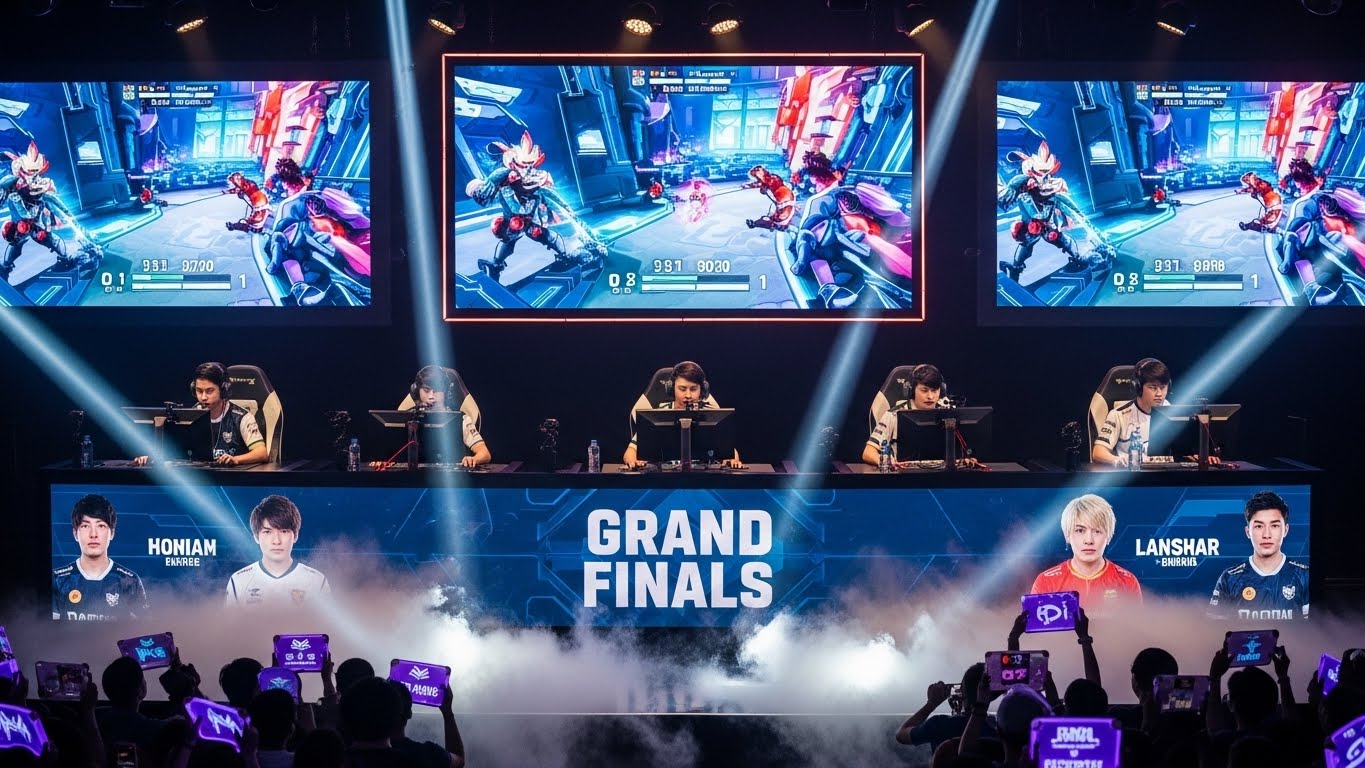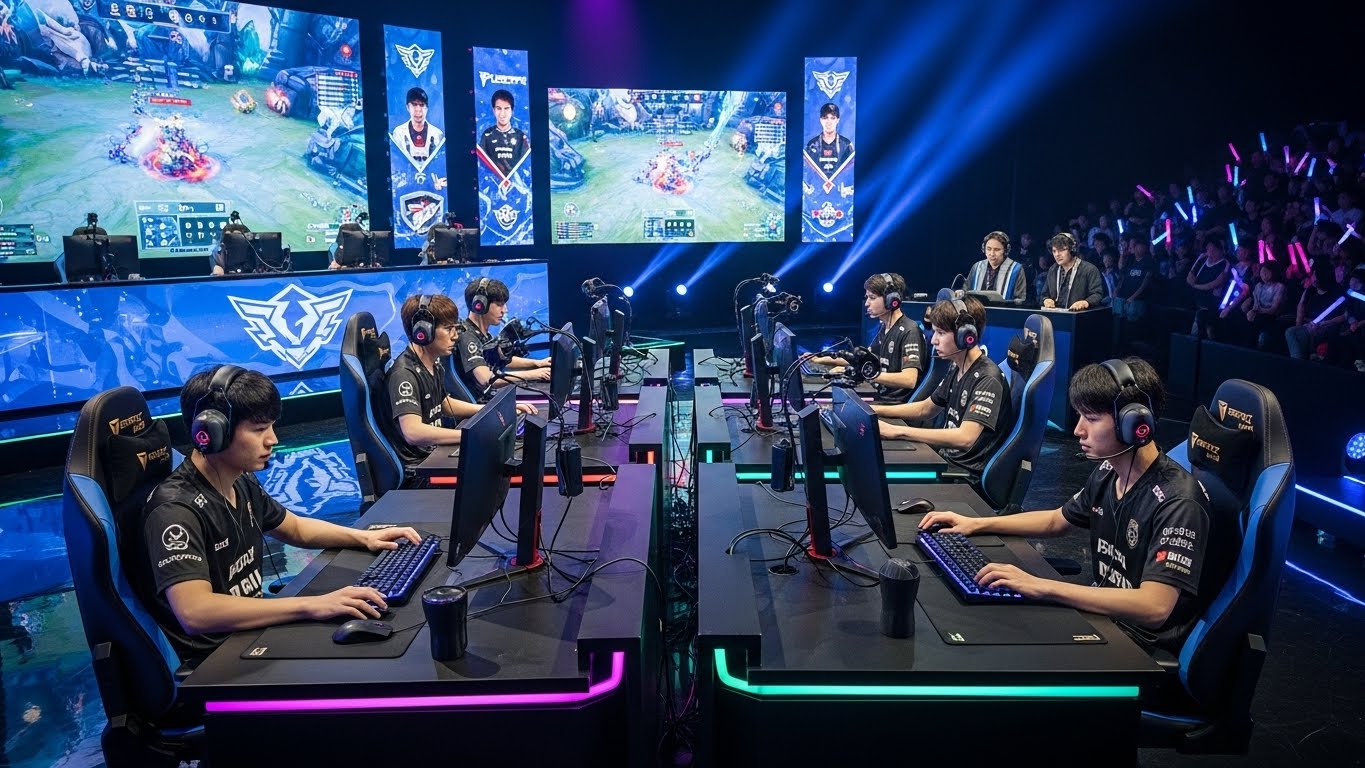
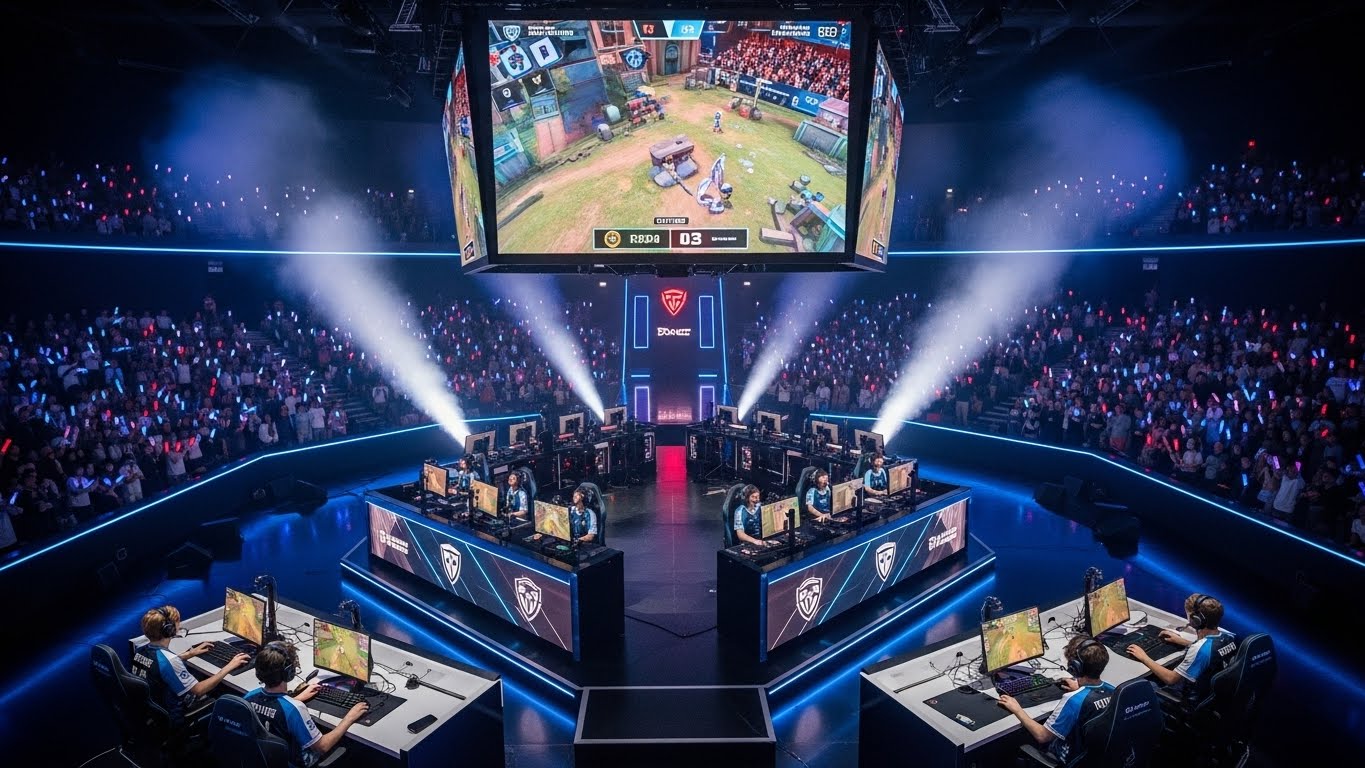
Esports has rapidly evolved from casual gaming sessions into one of the most influential entertainment industries of the modern world. What was once considered a pastime for a small group of enthusiasts is now a global phenomenon featuring professional athletes, massive tournaments, and millions of dedicated fans. Esports represents more than competitive gaming; it is a cultural movement that blends technology, skill, strategy, and community. This blog explores the journey of esports, its impact on individuals and society, and its growing role in shaping the future of competition and entertainment.
The Early Beginnings of Esports
The origins of esports can be traced back to the early days of video gaming, when players competed for high scores in arcades and local gaming centers. These early competitions were informal, driven by passion rather than prize money. As gaming technology improved, multiplayer games began to emerge, allowing players to compete directly against one another rather than the game itself.
The introduction of local networks and later online connectivity transformed gaming into a competitive activity on a larger scale. Players could now challenge opponents from different regions, forming communities centered around competition and skill. These early foundations paved the way for structured tournaments and organized leagues that define esports today.
Understanding What Esports Truly Is
Esports, short for electronic sports, refers to organized competitive video gaming played at amateur and professional levels. Unlike casual gaming, esports requires rigorous practice, strategic planning, and strong teamwork. Players specialize in specific games, mastering mechanics, tactics, and decision-making under pressure.
Esports includes various genres such as multiplayer online battle arenas, first-person shooters, fighting games, real-time strategy games, and sports simulations. Each genre demands different skills, from lightning-fast reflexes to deep strategic thinking, making esports a diverse and challenging competitive field.
The Growth of the Esports Industry
Over the past decade, esports has experienced explosive growth. Professional tournaments now fill large arenas and attract millions of viewers worldwide. Prize pools have grown significantly, reflecting the increasing investment from sponsors, organizations, and fans.
Esports organizations operate similarly to traditional sports teams. They employ coaches, analysts, mental health professionals, and support staff to help players perform at their best. Structured training schedules, performance reviews, and team strategies highlight the professionalism and dedication required to compete at elite levels.
Esports as a Global Entertainment Phenomenon
Esports has become a major form of entertainment, captivating audiences across continents. Live events, online broadcasts, and community-driven content allow fans to follow their favorite teams and players closely. Spectators enjoy not only the competition but also the personalities, rivalries, and narratives that develop within the esports scene.
This widespread appeal has helped esports gain mainstream recognition. It is now featured in major entertainment discussions and embraced by younger generations who see digital competition as a natural extension of traditional sports fandom.
The Social Power of Esports
One of the most significant aspects of esports is its ability to connect people. Players from different cultures, languages, and backgrounds come together to compete and collaborate. Team-based games emphasize communication, trust, and coordination, fostering strong social bonds.
Fans also play a crucial role in the esports ecosystem. Communities form around teams and games, creating shared experiences and collective excitement. Esports offers a sense of belonging, allowing individuals to find like-minded people and build meaningful relationships through a shared passion.
Mental Skills Developed Through Esports
Competitive gaming demands a high level of mental skill. Players must analyze situations quickly, anticipate opponents’ moves, and adapt strategies in real time. This sharpens cognitive abilities such as problem-solving, critical thinking, and multitasking.
Esports also teaches emotional control and resilience. Players face intense pressure during competitions and must remain focused despite setbacks. Learning to manage stress, accept losses, and continuously improve builds mental toughness that is valuable in everyday life.
Career Opportunities Beyond Playing
While professional players often receive the most attention, esports offers many career paths beyond competition. Coaching, strategy analysis, event organization, broadcasting, content creation, and team management are all essential roles within the industry.
Many individuals earn livelihoods by creating educational or entertaining content related to esports. Others work behind the scenes to ensure tournaments run smoothly or teams operate effectively. These opportunities demonstrate that esports is a broad ecosystem with room for diverse talents and interests.
Esports and Cultural Influence
Esports has become a powerful cultural force. Professional players are role models for younger audiences, influencing fashion, language, and online trends. Major tournaments create moments of shared excitement similar to traditional sports championships.
The rise of esports has also challenged stereotypes about gaming. It highlights discipline, teamwork, and dedication, shifting public perception from gaming as a distraction to gaming as a legitimate competitive and professional pursuit.
Challenges Facing the Esports World
Despite its success, esports faces several challenges. The intense demands of competition can lead to burnout, physical strain, and mental health concerns. Long practice hours and high expectations require careful management to protect player well-being.
Additionally, issues such as toxic behavior, cheating, and lack of diversity remain concerns within some gaming communities. Addressing these challenges is essential to ensure esports remains inclusive, fair, and sustainable as it continues to grow.
The Role of Technology in Esports Development
Technology is the foundation of esports. High-performance hardware, advanced software, and reliable connectivity enable competitive play at professional standards. Broadcasting tools allow fans to experience matches with detailed analysis and immersive visuals.
Data analytics and artificial intelligence are increasingly used to enhance training and strategy. Teams analyze gameplay data to identify patterns, improve performance, and refine tactics. As technology advances, esports will continue to evolve, offering even more sophisticated competitive environments.
Esports on the International Stage
Esports is a truly global phenomenon. Competitive scenes thrive in many regions, with international tournaments bringing together top players from around the world. These events promote cultural exchange and showcase the universal appeal of digital competition.
The global reach of esports also contributes to economic growth. Large events attract tourism, create jobs, and generate media attention. Esports demonstrates how digital entertainment can have real-world impact on communities and economies.
Education and Skill Development Through Esports
Educational institutions are increasingly recognizing the value of esports. Schools and universities are introducing esports programs that focus on teamwork, leadership, and strategic thinking. These programs often combine competition with academic development.
Esports also encourages skills related to technology, communication, and problem-solving. These transferable skills prepare participants for careers not only within esports but also in broader digital and professional fields.
The Future of Esports
The future of esports is filled with potential. Emerging technologies such as virtual reality and cloud gaming are expected to create new competitive experiences. As games and platforms evolve, esports will continue to attract new audiences and participants.
Improved regulation, player support systems, and inclusive initiatives will help ensure long-term sustainability. Esports is likely to become even more integrated into mainstream culture, education, and entertainment in the years ahead.
Conclusion: Esports as a New Age of Competition
Esports has transformed the way people view competition, entertainment, and digital interaction. It combines skill, strategy, and technology to create experiences that are engaging, inclusive, and globally connected. From its early beginnings to its current status as a major industry, esports has proven its legitimacy and cultural significance.
As esports continues to grow, it represents a new era of competition where passion and innovation define success. It shows that competitive spirit is not limited to physical arenas but thrives wherever creativity, dedication, and community come together. Esports is not just the future of gaming; it is a powerful symbol of how digital culture continues to shape human achievement.