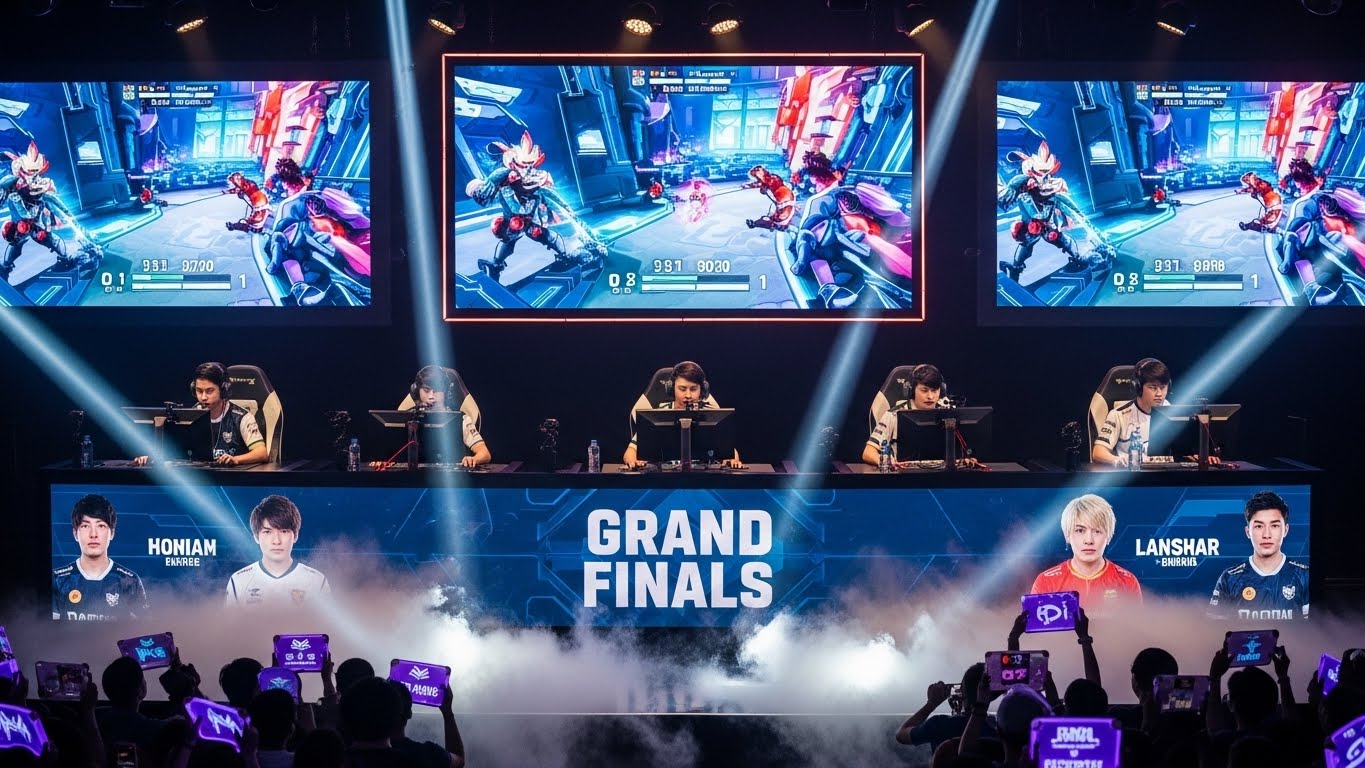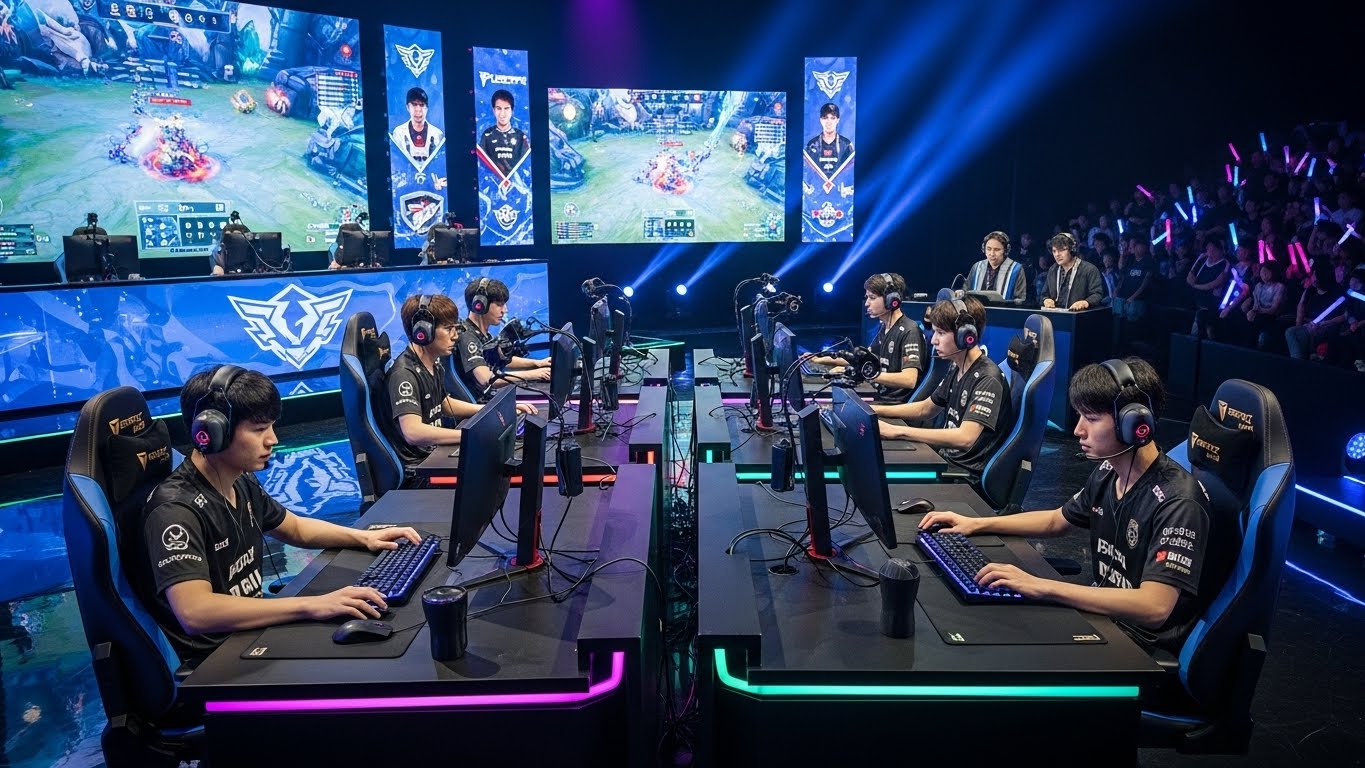
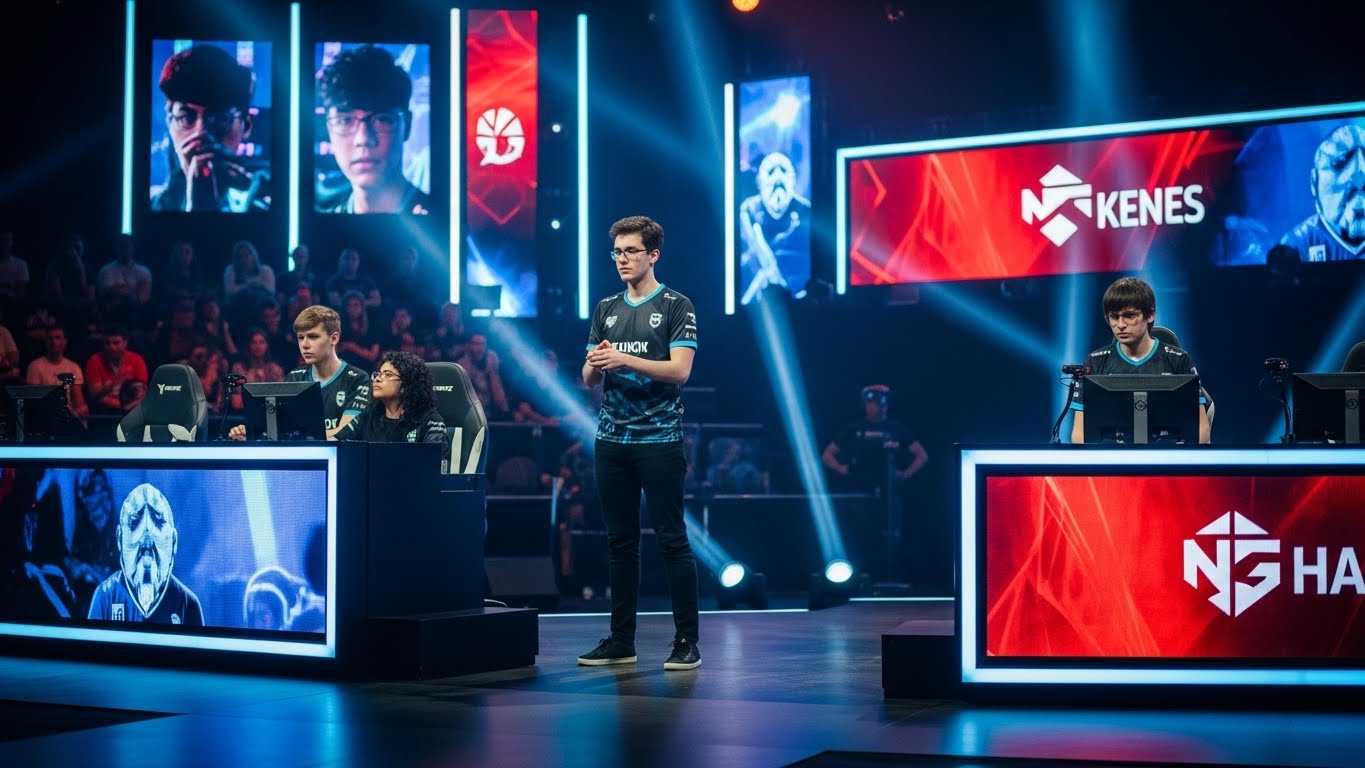
Esports has emerged as one of the most influential movements in modern entertainment and competition. What once started as casual video game matches between friends has evolved into a global industry featuring professional athletes, international tournaments, and millions of passionate fans. Esports is no longer just about gaming; it represents dedication, strategy, teamwork, and cultural transformation. This blog explores the journey of esports, its impact on society, and why it continues to redefine how competition is perceived in the digital age.
The Early Roots of Competitive Gaming
The foundations of esports can be traced back to the early days of video games, when players gathered in arcades to compete for high scores. These competitions were informal but highly engaging, driven by passion and a desire for recognition. Games with simple mechanics sparked competitive instincts, creating an environment where skill and reflexes mattered.
As technology advanced, home consoles and personal computers introduced multiplayer gaming. Local competitions grew into organized events, and players began forming teams. The introduction of networked gaming allowed competitors to challenge others beyond physical locations, setting the stage for large-scale competitive gaming.
Defining Esports in the Modern World
Esports refers to organized competitive video gaming played at amateur and professional levels. Unlike casual gaming, esports requires structured rules, training routines, and strategic preparation. Players specialize in specific games and roles, mastering complex mechanics and developing game sense through continuous practice.
Esports spans multiple genres, including multiplayer online battle arenas, first-person shooters, fighting games, real-time strategy games, and sports simulations. Each genre demands different skill sets, from lightning-fast reaction times to deep strategic thinking and coordination.
The Professionalization of Esports
Over the past decade, esports has transitioned into a professional industry. Competitive teams now operate like traditional sports organizations, employing coaches, analysts, trainers, and mental health professionals. Players follow strict practice schedules, analyze gameplay footage, and work on teamwork and communication.
Professional leagues and tournaments have established structured seasons and rankings, giving esports a sense of continuity and legitimacy. Prize pools have increased significantly, reflecting the growing financial investment in competitive gaming. This professional structure has helped esports gain recognition as a serious competitive field.
Esports as a Global Entertainment Platform
Esports has become a powerful form of entertainment, attracting audiences across the globe. Fans tune in to watch live matches, follow their favorite players, and engage with community discussions. The excitement of high-level competition, combined with unpredictable outcomes, keeps viewers emotionally invested.
Major esports events often fill large arenas, with fans cheering for teams just as they would in traditional sports. The digital nature of esports allows instant global access, enabling people from different countries and cultures to share the same viewing experience.
The Social Impact of Esports
One of the most remarkable aspects of esports is its ability to connect people. Players collaborate with teammates from diverse backgrounds, learning communication and cooperation skills. Online communities form around games, teams, and tournaments, creating spaces where fans share strategies, opinions, and excitement.
Esports provides a sense of belonging, especially for individuals who may feel disconnected in other areas of life. Through shared passion and competition, esports fosters friendships, teamwork, and mutual respect among players and fans alike.
Mental Skills and Discipline in Esports
Competitive gaming demands more than fast reflexes. Players must make split-second decisions, anticipate opponents’ strategies, and adapt under pressure. These requirements sharpen cognitive abilities such as problem-solving, concentration, and situational awareness.
Esports also teaches discipline and emotional control. Players must handle losses, learn from mistakes, and maintain focus during intense moments. Developing resilience and mental toughness is essential for success, and these skills often translate into academic and professional environments outside gaming.
Career Opportunities Within the Esports Ecosystem
While professional players receive the most attention, esports offers many career opportunities beyond competition. Coaches, analysts, commentators, event organizers, content creators, and team managers play essential roles in the industry. These positions require diverse skills, including communication, organization, creativity, and technical knowledge.
Content creation has become a major pathway within esports. Individuals build careers by sharing gameplay, educational content, and entertainment-focused material. This diversity of roles demonstrates that esports is a broad ecosystem with opportunities for many talents.
Cultural Influence of Esports
Esports has grown into a cultural phenomenon that influences fashion, language, and online trends. Professional players often become role models for younger audiences, inspiring them to pursue gaming with dedication and discipline. Team branding, fan merchandise, and digital identities have become integral parts of esports culture.
Esports also challenges traditional views of competition. It proves that skill-based digital activities can be as demanding and respected as physical sports. This shift in perception has helped gaming gain acceptance as a legitimate form of competitive excellence.
Challenges Facing the Esports Industry
Despite its rapid growth, esports faces several challenges. The intense training schedules and competitive pressure can lead to burnout and mental health issues. Organizations are increasingly recognizing the importance of balance, rest, and psychological support for players.
Toxic behavior and harassment within online gaming communities remain concerns. Ensuring fair play, inclusivity, and respectful environments is essential for the long-term sustainability of esports. Addressing these challenges requires collaboration among developers, organizations, and players.
Technology as the Backbone of Esports
Technology plays a central role in the success of esports. High-performance hardware, advanced software, and stable internet connectivity enable fair and competitive play. Broadcasting tools enhance the viewing experience, offering real-time analysis, multiple camera angles, and immersive visuals.
Data analytics has become increasingly important in esports. Teams analyze performance metrics to refine strategies, improve teamwork, and identify weaknesses. As technology continues to advance, it will further enhance training methods and competitive experiences.
Esports on the International Stage
Esports is truly global. International tournaments bring together top players from different regions, showcasing diverse playstyles and strategies. These events promote cultural exchange and highlight the universal appeal of competition through gaming.
Global esports events also contribute to economic growth, generating revenue through ticket sales, sponsorships, and tourism. They demonstrate how digital competition can have real-world economic and social impact.
Esports and Education
Educational institutions are beginning to embrace esports as a valuable learning tool. Schools and universities offer esports programs that focus on teamwork, leadership, and strategic thinking. These programs often combine competition with academic development, preparing students for digital careers.
Esports encourages skills such as communication, critical thinking, and technological literacy. These abilities are highly relevant in modern workplaces, making esports education a bridge between gaming passion and professional development.
The Future of Esports
The future of esports is filled with opportunity. Advancements in virtual reality, cloud gaming, and artificial intelligence are expected to create new competitive formats and immersive experiences. As accessibility improves, esports will attract broader audiences and participants.
Sustainability will be a key focus moving forward. Supporting player health, promoting inclusivity, and establishing clear regulations will help ensure long-term growth. Esports is likely to become even more integrated into mainstream entertainment and education.
Conclusion: Esports as a New Era of Competition
Esports represents a new chapter in the history of competition. It combines technology, strategy, and human skill to create experiences that are thrilling, inclusive, and globally connected. From its humble beginnings to its current status as a major industry, esports has proven its cultural and competitive significance.
As esports continues to evolve, it challenges traditional ideas of sports and entertainment. It shows that competition is not limited to physical arenas but thrives wherever passion, dedication, and innovation exist. Esports is more than a trend; it is a defining force of the digital age, shaping how people compete, connect, and celebrate achievement.