Introduction: The Rise of a Digital Arena
Esports has transformed from a niche pastime into a global phenomenon that commands massive audiences, professional athletes, and billion-dollar industries. What once began as casual competition among friends has evolved into organized leagues, packed arenas, and international championships watched by millions. Esports is no longer just about playing games; it represents a new form of competition that blends technology, entertainment, and human skill in ways traditional sports never imagined. This blog explores how esports grew, why it matters, and what the future holds for this rapidly expanding digital arena.
Understanding Esports: More Than Just Gaming
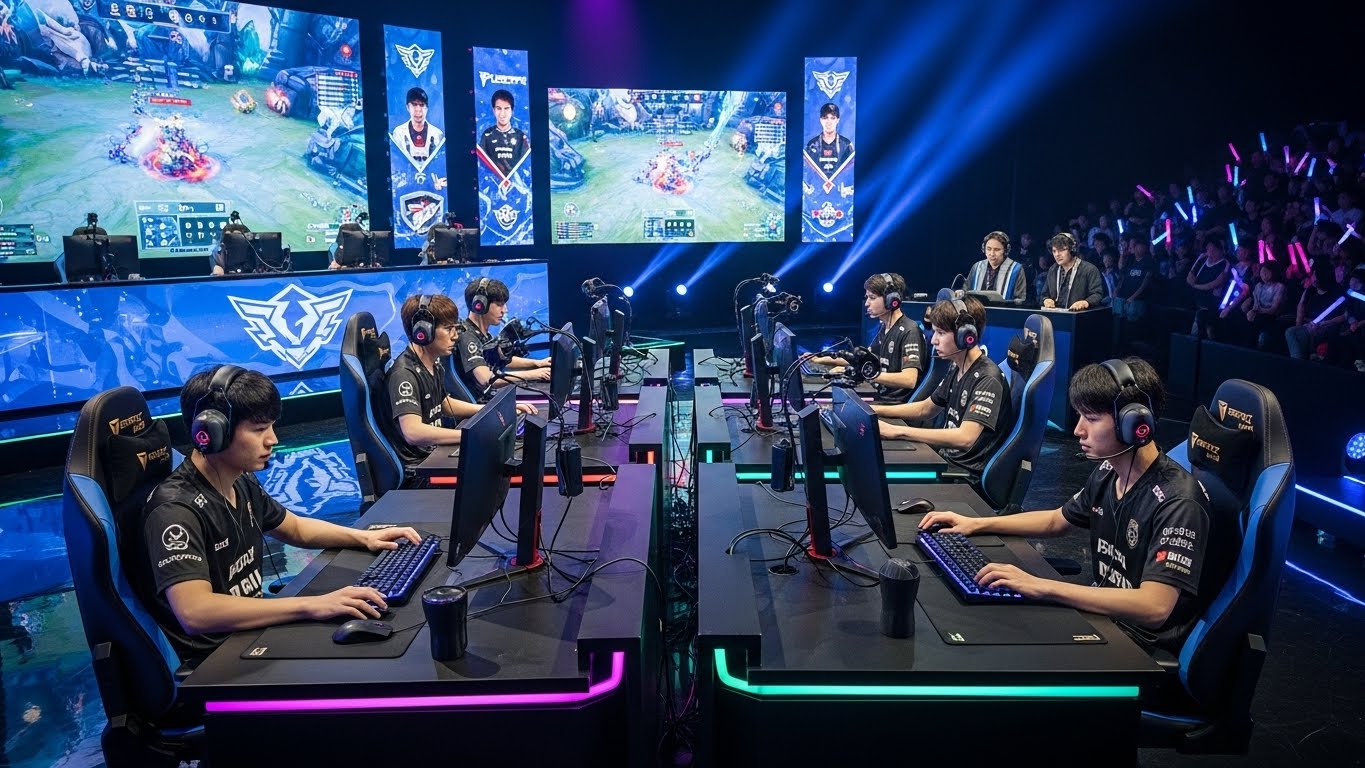
Esports, short for electronic sports, refers to competitive video gaming where individuals or teams compete under structured rules. Unlike casual gaming, esports emphasizes training, strategy, teamwork, and performance under pressure. Professional players practice for hours each day, analyze opponents, and work with coaches and analysts much like athletes in traditional sports. The games themselves vary widely, ranging from fast-paced action titles to strategic team-based competitions, each demanding different skills and mental discipline.
A Brief History of Competitive Gaming
The roots of esports can be traced back to the early days of video games, when small competitions were held in arcades and college campuses. Over time, advances in internet connectivity allowed players to compete across cities and countries. Online platforms enabled spectatorship, turning private matches into public entertainment. As viewership grew, sponsors, advertisers, and investors took notice. This steady progression transformed informal contests into professional leagues with standardized rules, seasonal tournaments, and substantial prize pools.
The Games That Define the Scene
Esports is not centered around a single game but rather a diverse ecosystem of titles, each with its own community and competitive structure. Some games focus on tactical teamwork, requiring precise coordination and communication. Others emphasize individual skill, reaction time, and adaptability. This diversity allows esports to appeal to a wide audience, as fans can follow games that match their interests, whether they prefer strategy, speed, or storytelling through gameplay.
The Esports Athlete: Discipline and Dedication
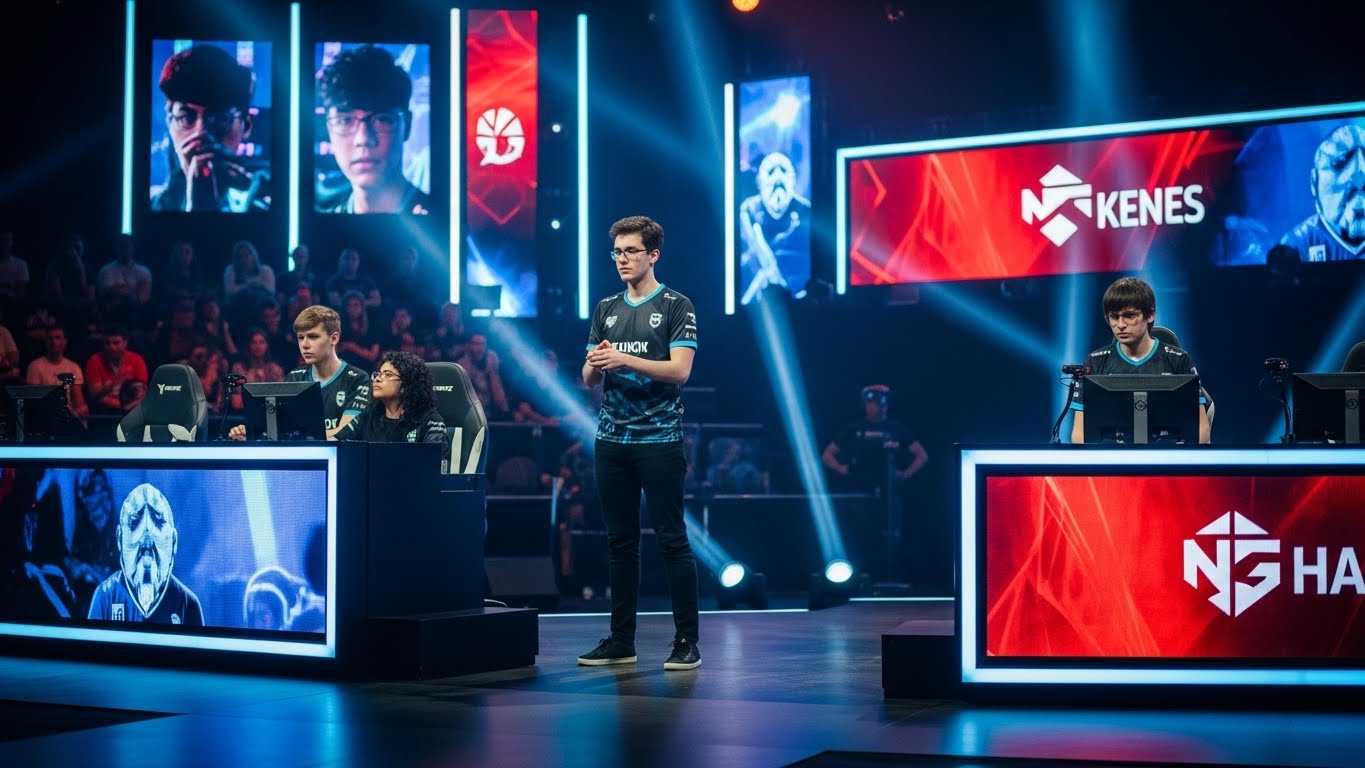
Contrary to outdated stereotypes, professional esports players are not simply sitting in front of screens without structure. They follow rigorous schedules that include practice sessions, physical exercise, mental conditioning, and team meetings. Reaction speed, hand-eye coordination, and decision-making are critical, but so are communication and emotional control. Many teams now employ sports psychologists and fitness trainers to help players maintain peak performance and avoid burnout.
Teams, Leagues, and Global Competition
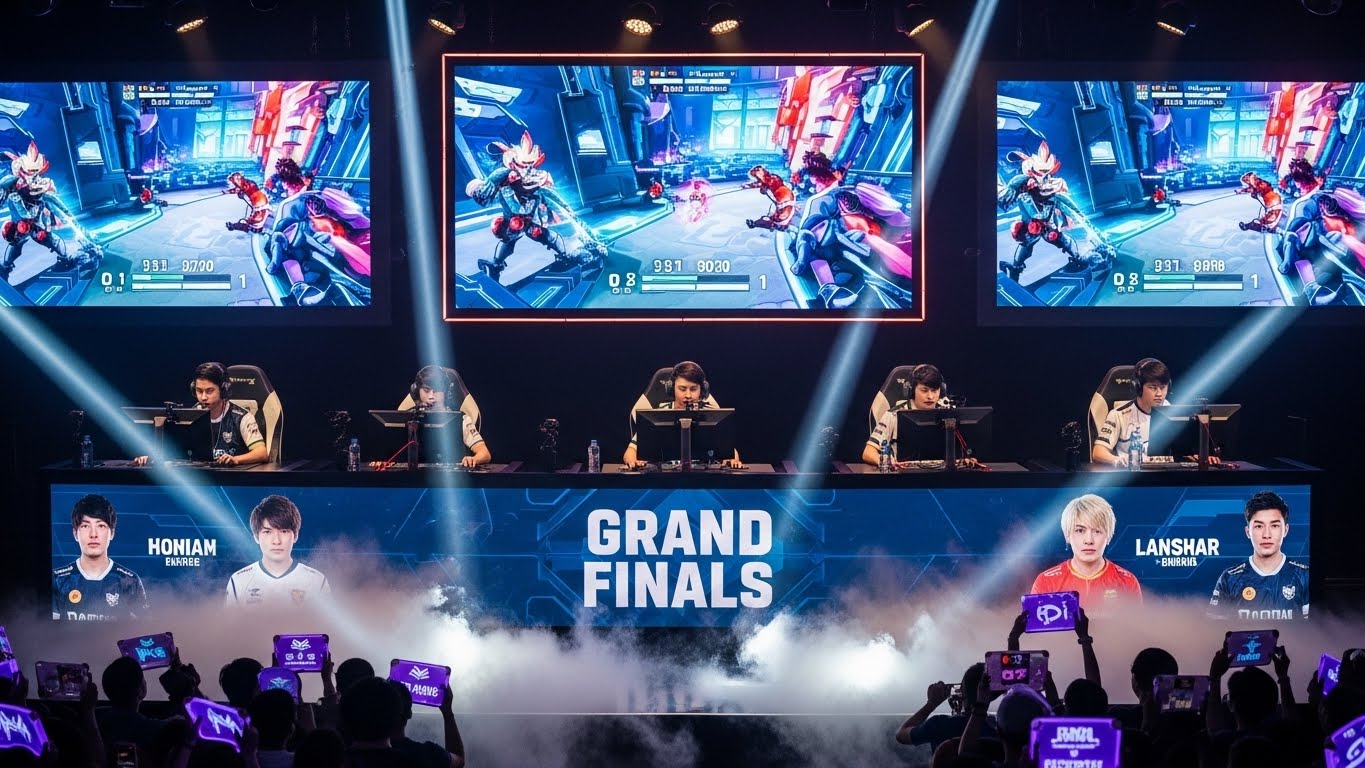
Esports has developed a sophisticated organizational structure. Professional teams sign players to contracts, provide salaries, and manage branding and sponsorships. Leagues operate with seasonal formats, playoffs, and championship events that mirror traditional sports. International tournaments bring together teams from different regions, creating rivalries and storylines that captivate fans. These events often fill large venues and generate excitement comparable to major sporting finals.
The Role of Streaming and Community Engagement
One of the defining features of esports is its close relationship with online communities. Fans do not just watch matches; they interact with players, commentators, and each other in real time. Streaming platforms allow viewers to follow their favorite players’ daily routines, learn strategies, and feel personally connected to the scene. This level of engagement has helped esports build loyal fan bases and sustain long-term interest beyond major tournaments.
Economic Impact and Career Opportunities
The esports industry has created a wide range of career paths beyond professional play. Coaches, analysts, event organizers, broadcasters, graphic designers, and marketers all contribute to the ecosystem. Universities now offer esports scholarships and degree programs focused on game design, production, and management. Brands invest heavily in sponsorships, recognizing esports as a powerful way to reach younger, tech-savvy audiences. This economic growth shows that esports is not a fleeting trend but a sustainable industry.
Challenges Facing the Esports Industry
Despite its success, esports faces several challenges. Player burnout is a significant concern due to intense practice schedules and high expectations. Maintaining fair play and preventing cheating requires constant vigilance and technological innovation. Additionally, the industry must address issues of inclusivity, ensuring that opportunities are accessible regardless of gender, background, or location. How esports responds to these challenges will shape its credibility and longevity.
Esports and Traditional Sports: A Changing Relationship
Rather than competing with traditional sports, esports increasingly complements them. Many sports organizations have invested in esports teams or launched digital competitions of their own. This crossover highlights a broader shift in how people consume entertainment and competition. Younger audiences who may not follow traditional sports passionately are deeply engaged with esports, signaling a change in cultural preferences that organizations are eager to understand and embrace.
The Cultural Influence of Esports
Esports has become a cultural force that influences fashion, music, and online communication. Team jerseys are worn as lifestyle apparel, and players are celebrated as influencers and role models. Major tournaments feel like festivals, blending competition with entertainment and community celebration. This cultural reach extends beyond gaming, shaping how digital-native generations express identity and creativity.
The Future of Esports: Innovation and Expansion
Looking ahead, esports is poised for continued growth. Advances in technology will enhance viewing experiences, making matches more immersive and accessible. Emerging regions are developing their own competitive scenes, adding new talent and perspectives to the global stage. As regulations and standards mature, esports will gain greater stability and recognition. The line between physical and digital competition may continue to blur, opening doors to entirely new forms of sport and entertainment.
Conclusion: A New Era of Competition
Esports represents a fundamental shift in how competition is defined and experienced. It combines the intensity of sport with the creativity of gaming and the connectivity of the digital world. What makes esports truly remarkable is its ability to bring people together across borders, languages, and cultures through shared passion. As it continues to evolve, esports is not just shaping the future of gaming but redefining what it means to compete, to watch, and to belong in a global community.