Introduction
Sports have always been more than just physical activity; they are a reflection of human ambition, resilience, and creativity. Across the globe, sports inspire passion, bring communities together, and teach lessons that extend far beyond the playing field. From the ancient Olympic Games to modern professional leagues, sports have evolved into a global phenomenon influencing culture, society, and individual growth. This blog explores the multifaceted impact of sports, their evolution, and why they continue to be a cornerstone of human life.
The Origins of Sports
The history of sports dates back thousands of years. Ancient civilizations created athletic competitions to celebrate cultural achievements, honor deities, and prepare for warfare. In ancient Greece, the Olympic Games became a symbol of physical excellence and unity. Similarly, civilizations like the Egyptians, Chinese, and Mayans integrated physical contests into their social and religious traditions.
These early sports were not only recreational but also served as a means of teaching discipline, strategy, and teamwork. The foundations laid by these ancient games have influenced the rules, structure, and philosophy of modern sports.
The Evolution of Modern Sports
Sports have undergone a dramatic transformation over the centuries. During the industrial era, urbanization and better transportation allowed sports to become more organized and accessible to the masses. Clubs, leagues, and standardized rules emerged, paving the way for national and international competitions.
The 20th century brought further revolution through broadcasting, which allowed millions to watch games live, creating global fan bases and turning athletes into international icons. Today, technology continues to enhance sports with innovations in equipment, training methods, and viewing experiences, making sports more engaging than ever.
The Cultural Significance of Sports
Sports reflect the values, traditions, and identity of a culture. Different countries excel in different sports, often influenced by history, climate, and societal interests. For example, football dominates in Europe and South America, cricket is widely celebrated in South Asia, and basketball thrives in North America.
Beyond popularity, sports also serve as cultural symbols. National teams in international competitions often evoke pride, unity, and patriotism. Sports can also bring attention to social issues, acting as a platform for advocacy, equality, and change.
Building Character Through Sports
Participation in sports develops essential life skills. Discipline, perseverance, teamwork, and leadership are cultivated through regular practice and competition. Team sports teach communication and collaboration, while individual sports foster self-reliance and resilience.
Athletes also learn to handle victory and defeat gracefully. Winning builds confidence, while losses teach humility, reflection, and the motivation to improve. These lessons extend far beyond sports, shaping character and influencing success in personal and professional life.
The Physical and Mental Benefits of Sports
Sports provide numerous physical health benefits, including improved cardiovascular fitness, stronger muscles, better coordination, and enhanced endurance. Regular participation reduces the risk of chronic diseases, obesity, and sedentary-related health issues.
The mental benefits are equally significant. Physical activity releases endorphins that boost mood, reduce stress, and improve overall mental well-being. Sports also encourage focus, problem-solving, and strategic thinking, contributing to cognitive development and emotional resilience.
The Role of Sports in Social Connection
Sports have the unique ability to bring people together. Whether through local clubs, school teams, or professional leagues, sports create opportunities for interaction and bonding. Shared experiences, such as cheering for a team or competing in a tournament, foster a sense of belonging and community.
International sporting events like the Olympics or World Cup create global connections. They unite nations, promote cross-cultural understanding, and provide moments of shared joy and celebration. Sports have the power to transcend language, ethnicity, and geography, creating a universal bond among participants and fans alike.
Professional Sports as a Career
Sports have become a viable career option for many. Professional athletes train rigorously to compete at elite levels, earning income through tournaments, sponsorships, and endorsements. However, careers in sports extend beyond athletes. Coaches, referees, sports analysts, trainers, sports journalists, and event managers play essential roles in the ecosystem.
Educational institutions now offer specialized programs in sports management, kinesiology, and coaching. The sports industry has grown into a multi-billion-dollar sector, providing employment opportunities and fostering economic growth.
Technology and Innovation in Sports
Technology has transformed both the playing and viewing of sports. Advanced equipment, wearable devices, and performance analytics enable athletes to optimize training and performance. Video replay and instant analysis improve fairness and enhance strategic decision-making.
For fans, technology has revolutionized engagement. Live streaming, virtual reality, and interactive apps provide immersive experiences. Sports simulations and gaming have also emerged as new forms of entertainment, connecting athletes and fans in innovative ways.
Challenges in the Sports World
Despite its many benefits, the sports industry faces challenges. Athlete burnout and injuries are prevalent due to intense training and competitive demands. Mental health concerns have become increasingly important, with many athletes advocating for support and awareness.
Issues of fairness, such as doping and match-fixing, threaten the integrity of sports. Additionally, access to sports can be limited in some regions due to economic or infrastructural constraints. Addressing these challenges is critical to ensuring that sports remain safe, inclusive, and credible.
The Impact of Sports on Society
Sports influence society far beyond the playing field. They inspire youth, promote education, and encourage community engagement. Sporting events stimulate local economies through tourism, merchandising, and infrastructure development.
Athletes often serve as role models, using their platforms to advocate for social causes, equality, and environmental responsibility. Sports also contribute to cultural diplomacy, building bridges between nations and fostering global understanding.
The Future of Sports
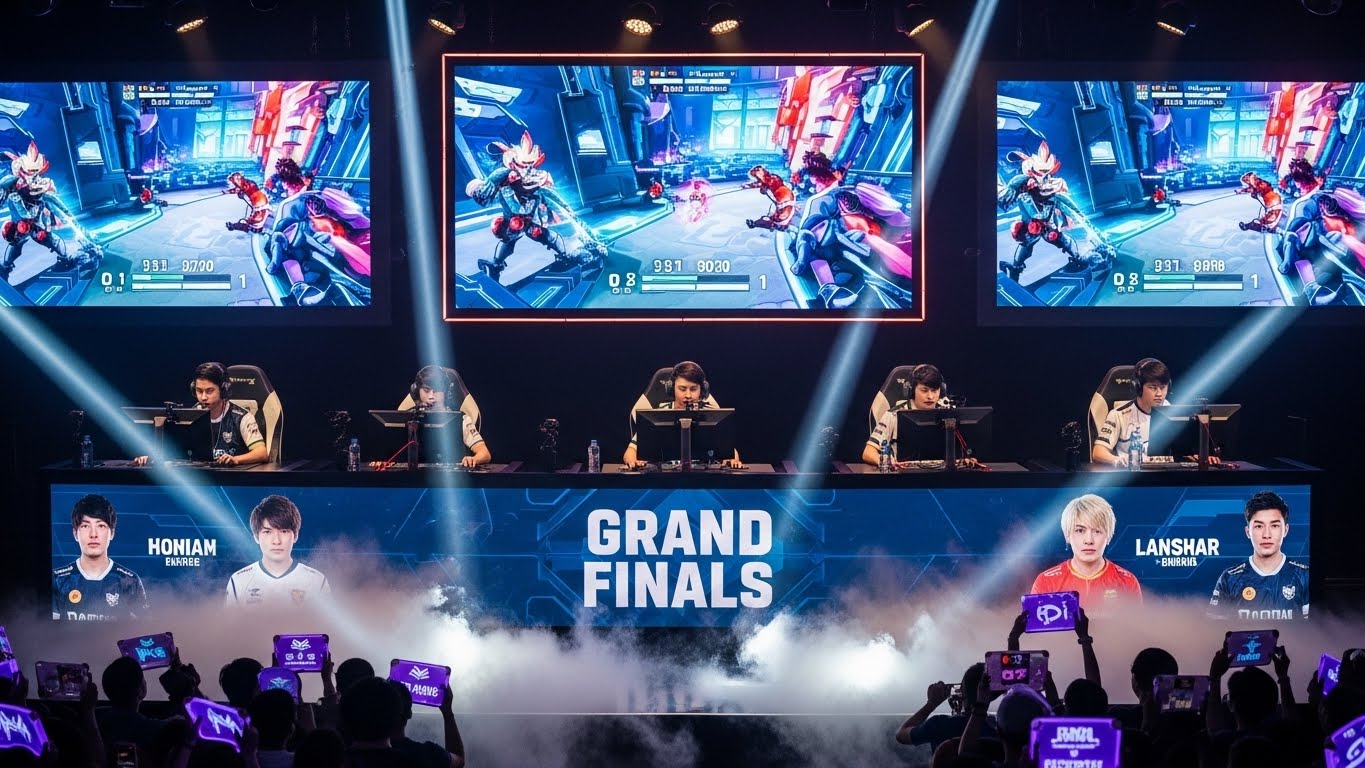
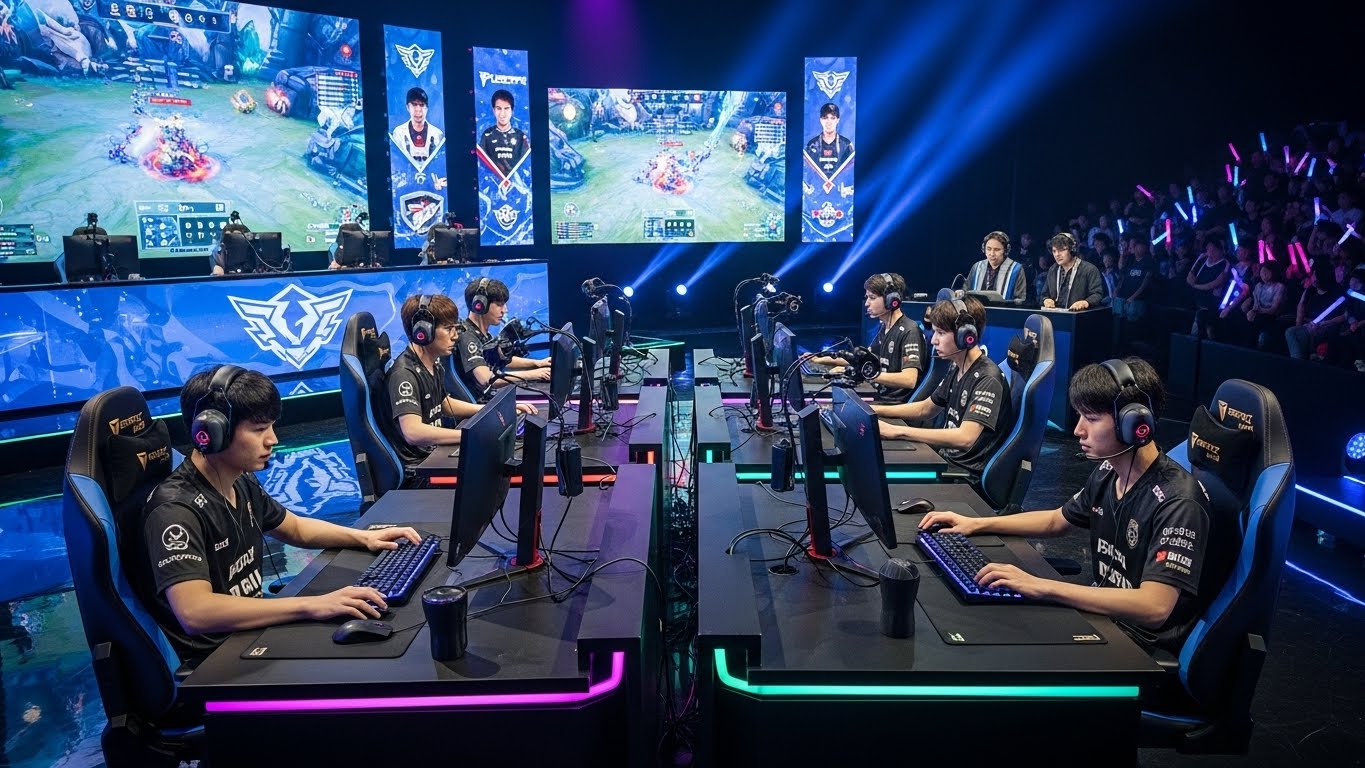
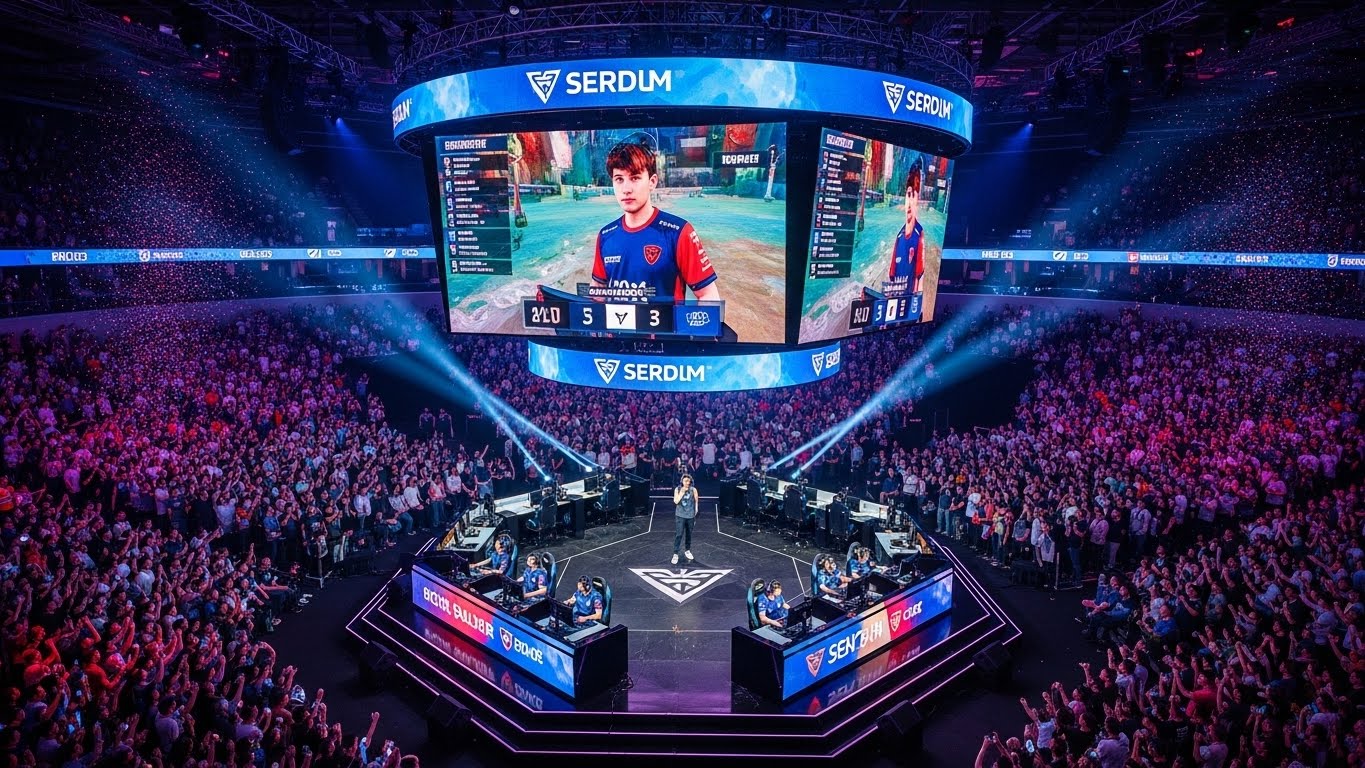
The future of sports promises further innovation and expansion. Emerging technologies like virtual reality, augmented reality, and artificial intelligence will transform training, performance analysis, and fan engagement. New sports formats and e-sports integration will continue to attract younger audiences and diversify participation.
Global initiatives are promoting inclusivity, with greater emphasis on female athletes, adaptive sports for differently-abled participants, and programs that reach underserved communities. The evolving landscape ensures that sports will remain relevant, dynamic, and a central part of human culture.
Conclusion
Sports are more than games; they are a reflection of human spirit, resilience, and creativity. They teach discipline, teamwork, and perseverance, while promoting physical and mental well-being. Sports bring communities together, inspire generations, and serve as a platform for cultural expression and social change.
From local playgrounds to international arenas, sports continue to shape individuals, societies, and nations. They unite people across divides, celebrate human achievement, and provide a source of joy and inspiration. In every pass, goal, swing, and stride, sports embody the timeless values of determination, connection, and excellence.
The enduring power of sports lies in their ability to transform lives, create memories, and foster a sense of belonging. As society evolves, sports will continue to inspire, challenge, and connect people across the globe, proving that their impact is as profound as it is universal.