Esports has emerged as one of the most influential forms of entertainment in the modern world. What once began as casual gaming among friends has transformed into a global competitive ecosystem with professional athletes, massive audiences, and cultural relevance that rivals traditional sports. Esports is no longer just about playing games; it represents ambition, strategy, community, and the digital future of competition. This blog explores the rise of esports, its impact on society, and why it continues to reshape how people view gaming and sports.
The Early Foundations of Competitive Gaming
The origins of esports can be traced back to the early days of video games, when players competed for high scores in arcades and home consoles. These early competitions were informal, yet they sparked a spirit of rivalry and achievement. As technology advanced, multiplayer gaming became more accessible, allowing players to compete against one another rather than just the game itself.
The introduction of local area networks and later the internet played a pivotal role in shaping competitive gaming. Players could now face opponents from different regions, forming the earliest esports communities. These foundations laid the groundwork for structured tournaments and professional leagues that would emerge in the years to come.
What Defines Esports Today
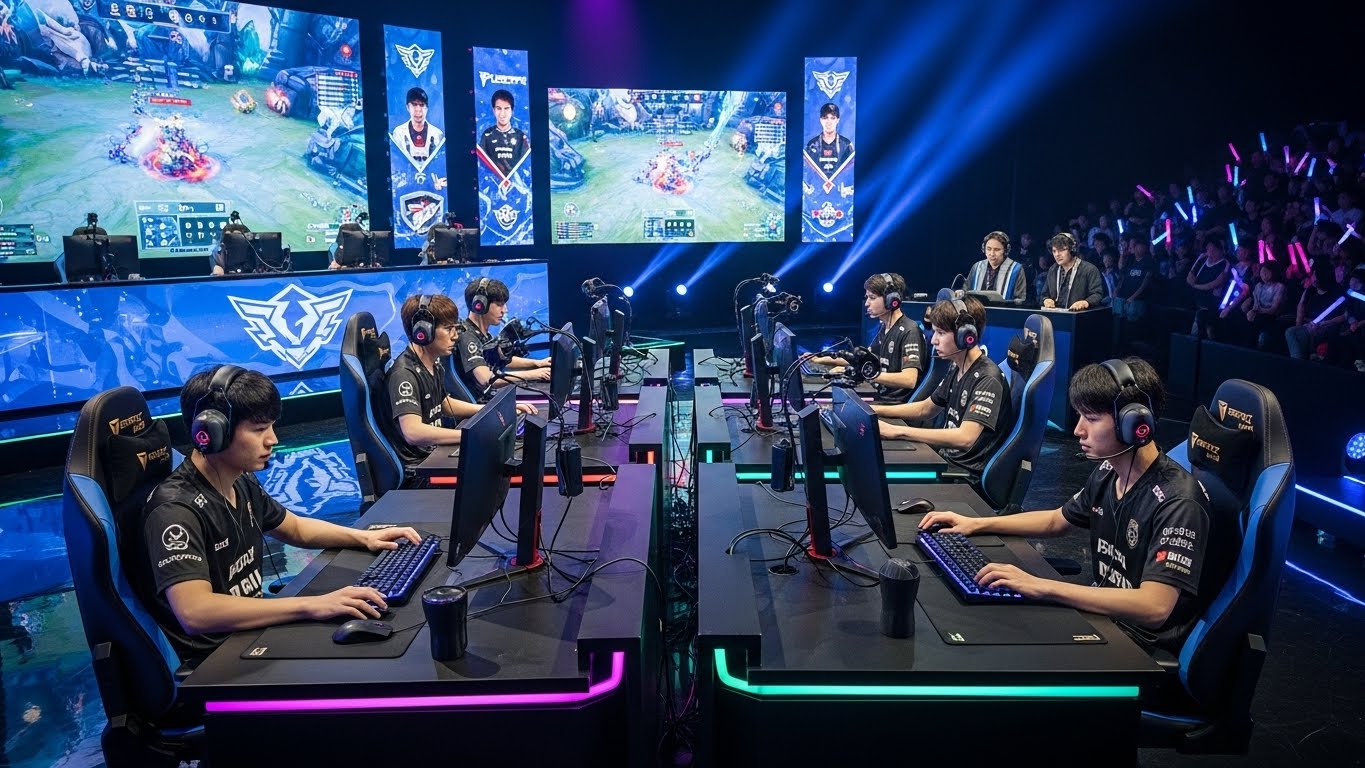
Esports refers to organized competitive video gaming, where individuals or teams compete under established rules and formats. Unlike casual gaming, esports demands precision, teamwork, discipline, and continuous improvement. Players specialize in specific games, mastering mechanics, strategies, and in-game decision-making.
Modern esports covers a wide range of game genres, including multiplayer online battle arenas, first-person shooters, fighting games, real-time strategy games, and sports simulations. Each genre presents unique challenges, requiring players to adapt their skills and mental approach. This diversity allows esports to appeal to a broad audience with varied interests.
The Rapid Growth of the Esports Industry
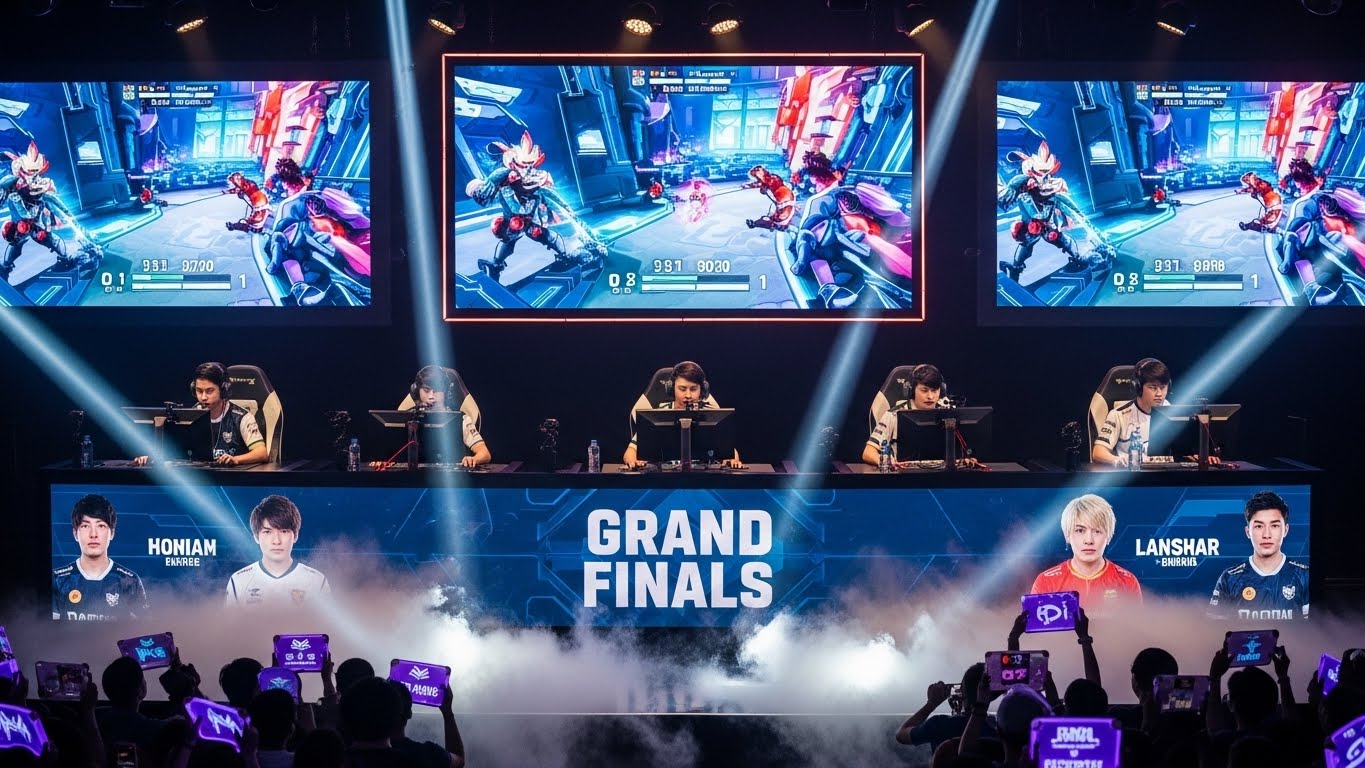
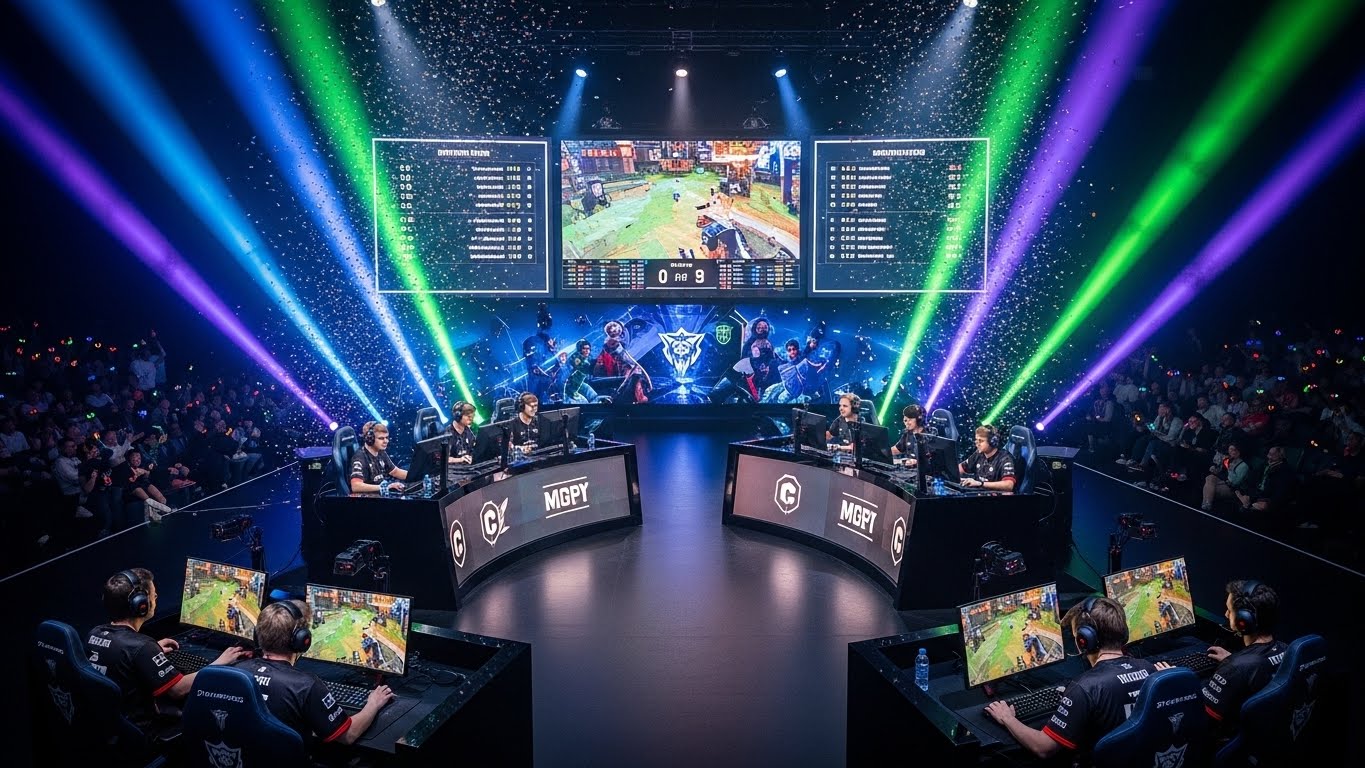
The esports industry has experienced explosive growth over the past decade. Professional tournaments now fill large venues, attract millions of online viewers, and offer substantial prize pools. Sponsorships, merchandise, advertising, and media coverage contribute to the financial success of esports organizations.
Professional teams operate much like traditional sports franchises. They employ coaches, analysts, psychologists, and support staff to optimize performance. Players follow structured training schedules, focusing on gameplay, strategy, communication, and mental resilience. This level of professionalism has helped legitimize esports as a serious competitive discipline.
Esports as a Social Experience
One of the most powerful aspects of esports is its ability to bring people together. Online gaming communities connect players across countries, cultures, and languages. Team-based games require communication and cooperation, fostering friendships and mutual respect among players who may never meet in person.
Fans also play a crucial role in the esports ecosystem. Spectators engage with matches, support teams, and participate in discussions that build strong community bonds. Esports events create shared experiences that unite people through excitement, emotion, and a shared passion for competition.
Mental Skills and Cognitive Development
Esports is often misunderstood as purely recreational, but competitive gaming demands advanced cognitive skills. Players must process large amounts of information quickly, make split-second decisions, and anticipate opponents’ actions. These mental demands enhance critical thinking, reaction time, and problem-solving abilities.
In addition, esports encourages emotional control and adaptability. Players learn to manage stress, stay focused under pressure, and recover from mistakes. These mental skills are valuable beyond gaming, helping individuals navigate academic, professional, and personal challenges.
Career Opportunities Beyond Playing
While professional players often receive the most attention, esports offers a wide range of career opportunities beyond competition. Coaching, analysis, event management, broadcasting, content creation, and marketing are all essential roles within the industry.
Many individuals build successful careers by streaming gameplay, producing educational content, or working behind the scenes for teams and tournaments. These opportunities demonstrate that esports is not limited to elite players but offers diverse pathways for those passionate about gaming and digital media.
Cultural Influence of Esports
Esports has become a defining element of modern digital culture. Professional players are viewed as role models, influencing fashion, language, and online trends. Esports events generate excitement similar to major traditional sports competitions, complete with fan chants, rivalries, and emotional storytelling.
The rise of esports has also challenged outdated stereotypes about gamers. Competitive gaming now showcases discipline, teamwork, and dedication, reshaping public perception and earning recognition as a legitimate form of competition and entertainment.
Challenges Within the Esports World
Despite its success, esports faces several challenges. The intense demands of competition can lead to burnout, fatigue, and mental health concerns among players. Long practice hours and high expectations require careful management to ensure player well-being.
Toxic behavior, cheating, and lack of inclusivity remain ongoing issues within some gaming communities. Addressing these challenges requires collective effort from developers, organizations, and players to promote fairness, respect, and positive environments.
The Role of Technology in Esports Advancement
Technology is the backbone of esports. High-performance computers, advanced peripherals, and stable internet connections enable players to compete at the highest level. Broadcasting technology allows fans to experience matches with detailed analysis, instant replays, and immersive viewing experiences.
Data analytics and artificial intelligence are increasingly used to enhance training and strategy. Teams analyze gameplay patterns to identify strengths and weaknesses, helping players refine their approach. As technology continues to evolve, esports will become even more sophisticated and accessible.
Esports on a Global Stage
Esports is a truly global phenomenon. Competitive scenes thrive across continents, with players representing diverse cultures and regions. International tournaments bring together the best talent from around the world, fostering global connections and mutual respect.
This international reach has helped esports transcend traditional boundaries. Language, geography, and cultural differences become secondary to skill and teamwork, making esports one of the most inclusive competitive platforms in the world.
Education and Esports
Educational institutions are increasingly recognizing the value of esports. Schools and universities are establishing esports programs that focus on teamwork, leadership, and strategic thinking. These programs often combine gaming with academic development, promoting balanced growth.
Esports education also opens doors to technology-related careers, including game design, programming, and digital media. This integration highlights esports as a tool for learning and personal development, not just entertainment.
The Future of Competitive Gaming
The future of esports looks promising and dynamic. Emerging technologies such as virtual reality and cloud gaming are expected to expand the possibilities of competitive play. New games and formats will continue to diversify the esports landscape, attracting new audiences and participants.
As esports becomes more integrated into mainstream culture, its influence will continue to grow. Increased regulation, improved player support, and broader acceptance will help ensure sustainable growth and long-term success.
Conclusion: Esports as a New Era of Competition
Esports represents a powerful shift in how competition, entertainment, and community are experienced in the digital age. It combines technology, creativity, and human skill to create meaningful and engaging experiences for players and fans alike.
From its humble beginnings to its current global prominence, esports has proven that competitive spirit is not limited to physical arenas. It thrives wherever passion, dedication, and innovation exist. As esports continues to evolve, it will remain a symbol of modern competition, digital connection, and the limitless potential of gaming.