Introduction: The Rise of a Digital Arena
Esports, or competitive video gaming, has emerged as one of the fastest-growing forms of entertainment and competition in the modern world. What was once dismissed as a niche hobby has now evolved into a multi-billion-dollar industry with professional players, global tournaments, and passionate fan communities. Esports is more than just playing games; it is a cultural phenomenon that bridges technology, sportsmanship, and creativity. In this article, we will explore how esports is reshaping entertainment, influencing youth culture, creating economic opportunities, and redefining the very concept of competitive sports.
Understanding Esports: Beyond Casual Gaming
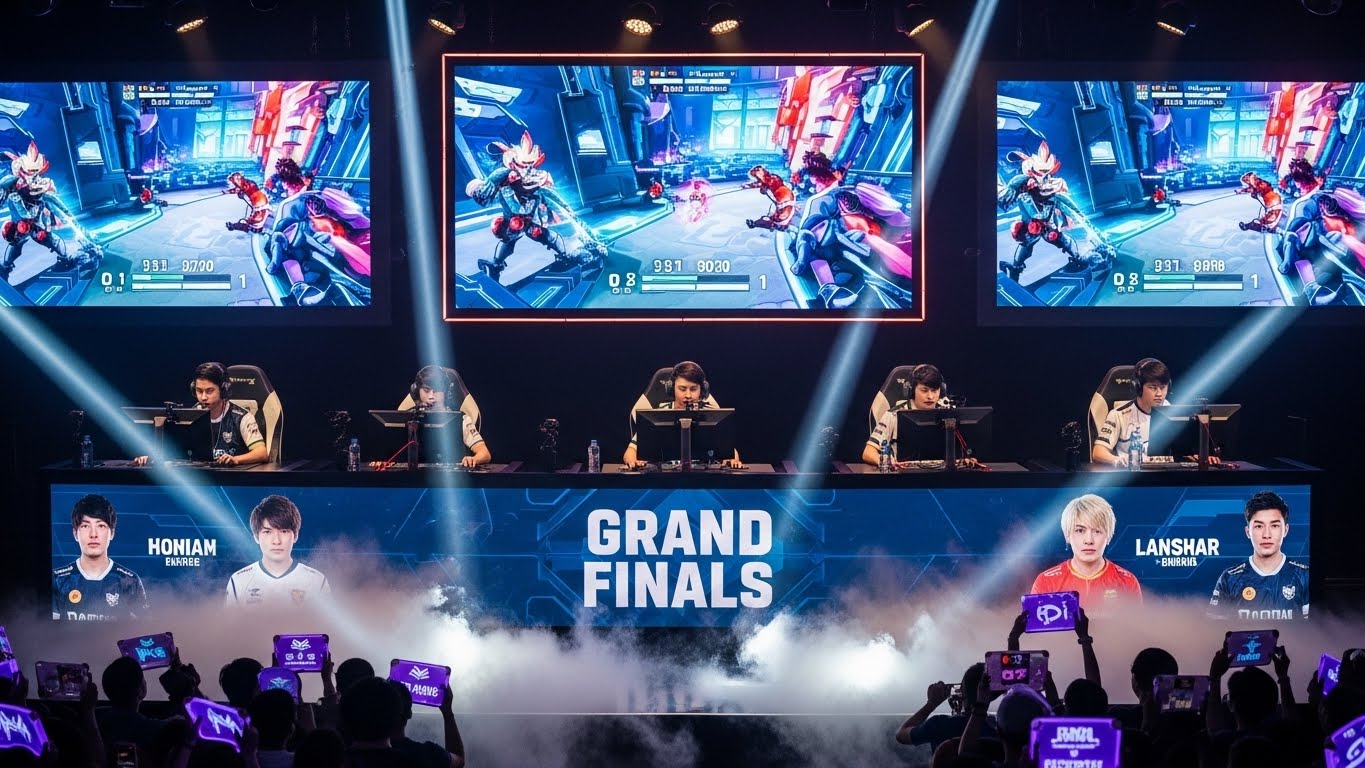
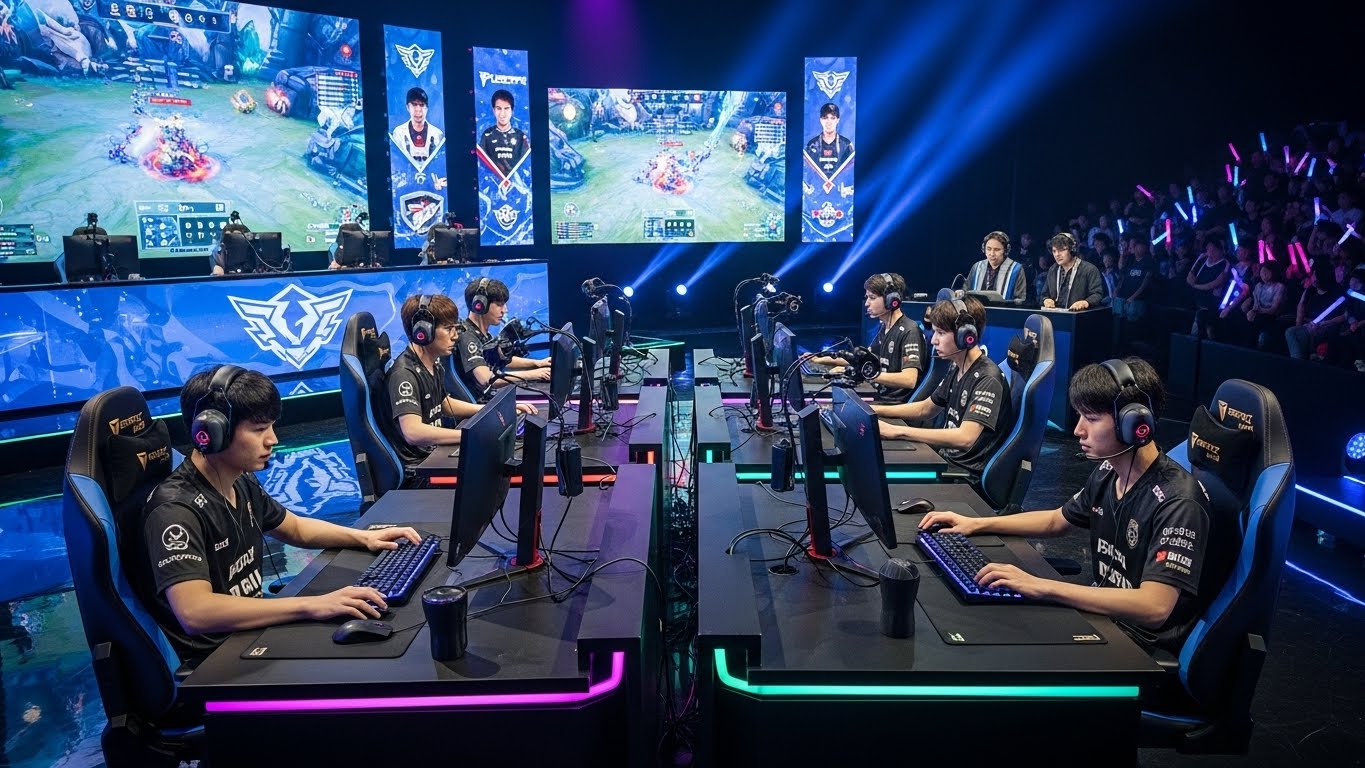
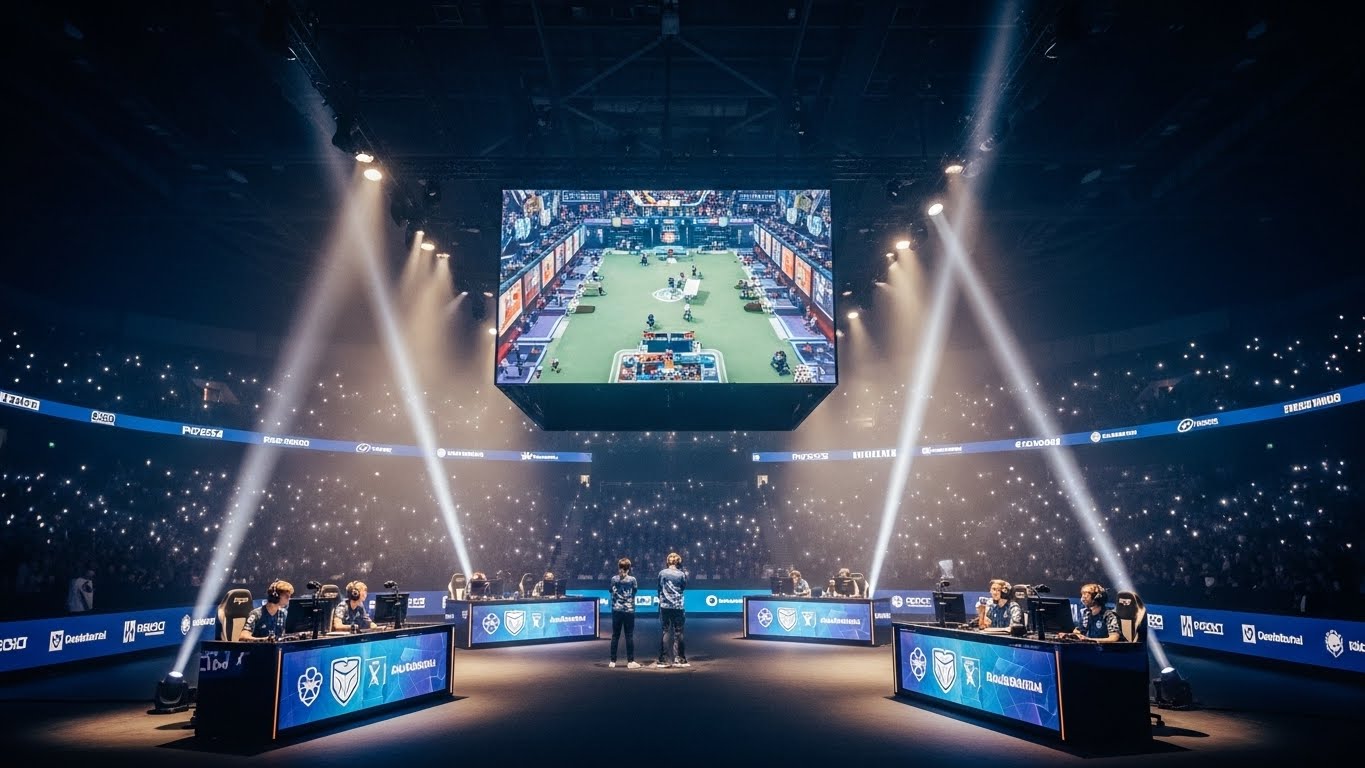
At its core, esports involves structured, competitive gaming in which players or teams face off in popular video games. Unlike casual gaming, esports emphasizes strategy, skill, teamwork, and consistency. Games such as League of Legends, Dota 2, Counter-Strike: Global Offensive, and Fortnite have become central to esports tournaments, attracting millions of viewers worldwide. Esports competitions can take place online or in large arenas, where players perform under high-stakes conditions similar to traditional sports. The difference is that the playing field is virtual, yet the intensity, skill, and dedication required are very real.
Physical and Mental Demands of Esports
While esports might appear to be purely digital, it imposes significant physical and mental demands on players. Professional gamers often undergo rigorous training routines that include hand-eye coordination exercises, reaction time improvement, and cognitive skill development. Long hours of practice require physical endurance, as repetitive motion can lead to strain or injuries like carpal tunnel syndrome. Mentally, esports players must remain focused, adaptable, and composed under pressure. Strategic thinking, quick decision-making, and communication with teammates are essential for success, making esports a highly demanding discipline.
The Growth of the Esports Industry
The esports industry has experienced exponential growth in the past decade. What started as small-scale tournaments has transformed into massive events watched by millions globally, with prize pools reaching millions of dollars. Sponsorships, streaming platforms, and merchandise sales have further fueled this growth, creating a robust ecosystem. Professional teams are now managed like traditional sports franchises, with coaches, analysts, and support staff contributing to player development. The popularity of esports streaming services has allowed fans to connect with players and tournaments in real-time, contributing to a global, digitally connected fanbase.
Esports and Youth Culture
Esports has had a profound influence on youth culture, shaping social interactions, hobbies, and career aspirations. Young gamers often aspire to become professional players or streamers, viewing esports as a legitimate path to success. Online communities foster friendships and collaboration, enabling players from different countries to connect and share experiences. Moreover, esports tournaments and events provide a sense of identity and belonging for participants, reinforcing self-esteem and teamwork. The cultural impact of esports extends beyond gaming, influencing music, fashion, and entertainment, and creating a dynamic ecosystem where creativity and technology intersect.
Economic Opportunities in Esports
Esports has opened a wide range of economic opportunities, transforming gaming from a leisure activity into a viable career path. Professional players earn salaries, prize money, and sponsorship deals, while coaches, analysts, and event organizers find employment within the industry. Additionally, streaming platforms offer content creators a chance to monetize their gameplay, generating revenue through subscriptions, donations, and advertisements. Companies also benefit from investing in esports through brand exposure, marketing campaigns, and merchandise sales. The economic potential of esports is vast, creating jobs, stimulating innovation, and driving growth in the technology and entertainment sectors.
Esports as a Global Phenomenon
Esports transcends borders, connecting players and audiences across the world. International tournaments bring together top teams from different countries, fostering cross-cultural interaction and friendly competition. Countries such as South Korea, China, and the United States have become hubs for esports, with government support, sponsorship, and infrastructure contributing to their growth. This global nature of esports has also helped promote cultural exchange, as players and fans share strategies, experiences, and perspectives. In many ways, esports mirrors the globalization of traditional sports, creating a worldwide community united by a shared passion for gaming.
Technological Innovation Driving Esports
Technology is at the heart of esports, influencing gameplay, training, and audience engagement. High-performance gaming hardware, fast internet connections, and advanced software tools enable competitive play at the highest level. Data analytics and artificial intelligence are increasingly used to analyze strategies, improve player performance, and predict outcomes. Virtual reality and augmented reality technologies are beginning to redefine immersive experiences, offering fans new ways to interact with games and tournaments. The symbiotic relationship between esports and technology ensures continuous innovation, driving both industries forward simultaneously.
The Educational Potential of Esports
Esports is increasingly being integrated into educational settings as a tool for learning and personal development. Many schools and universities now offer esports programs, combining gaming with academic coursework and team-based learning. Participation in esports helps students develop critical thinking, problem-solving, leadership, and collaboration skills. Scholarships for esports athletes provide opportunities for higher education and professional growth. By recognizing esports as an educational tool, institutions can cultivate well-rounded individuals who excel in both digital and academic arenas.
Health and Wellbeing in Esports
Maintaining health and wellbeing is crucial for esports players, given the demands of long gaming sessions and high-intensity competition. Professional teams often employ nutritionists, physiotherapists, and psychologists to support players’ physical and mental health. Regular exercise, proper ergonomics, balanced nutrition, and mental conditioning are essential for sustained performance. The focus on health and wellbeing highlights the evolving understanding of esports as a discipline that requires holistic care, not just technical skill, reinforcing its legitimacy as a professional pursuit.
Challenges and Controversies in Esports
Despite its growth, esports faces challenges and controversies that threaten its credibility and sustainability. Issues such as player burnout, cheating, gambling, and toxic online behavior pose significant concerns. The commercialization of esports also raises questions about fairness, accessibility, and the pressure on young players. Addressing these challenges requires regulatory frameworks, ethical standards, and community engagement to ensure that esports remains a safe, inclusive, and rewarding environment for players and fans alike.
Esports and Mental Resilience
One of the most remarkable aspects of esports is its ability to build mental resilience. Competitive gaming teaches players to cope with failure, adapt to changing situations, and persist despite setbacks. The high-pressure environment of esports tournaments mirrors the challenges found in other high-stakes professions, helping players develop skills that are transferable to real-life situations. The mental resilience cultivated through esports is particularly valuable for young individuals, fostering confidence, perseverance, and problem-solving abilities that extend beyond the virtual arena.
The Future of Esports
The future of esports looks promising, with continued growth, innovation, and mainstream recognition on the horizon. Emerging technologies like virtual reality, artificial intelligence, and cloud gaming will enhance gameplay and fan experiences, making esports more immersive and accessible. Expansion into new markets, inclusive initiatives, and integration with educational programs will broaden participation and opportunities. Additionally, esports is increasingly being recognized alongside traditional sports in international competitions and multi-sport events, signaling its legitimacy and enduring appeal.
Conclusion: Esports as a Cultural and Competitive Force
Esports is much more than a form of entertainment; it is a transformative cultural and competitive force that reshapes how we view gaming, sports, and technology. It empowers individuals, fosters global communities, and creates economic, educational, and social opportunities on an unprecedented scale. As the industry continues to evolve, esports will play an increasingly significant role in shaping digital culture, inspiring the next generation of players, and redefining the future of competition. The rise of esports proves that the boundaries between physical and digital competition are blurring, and the game is only beginning.