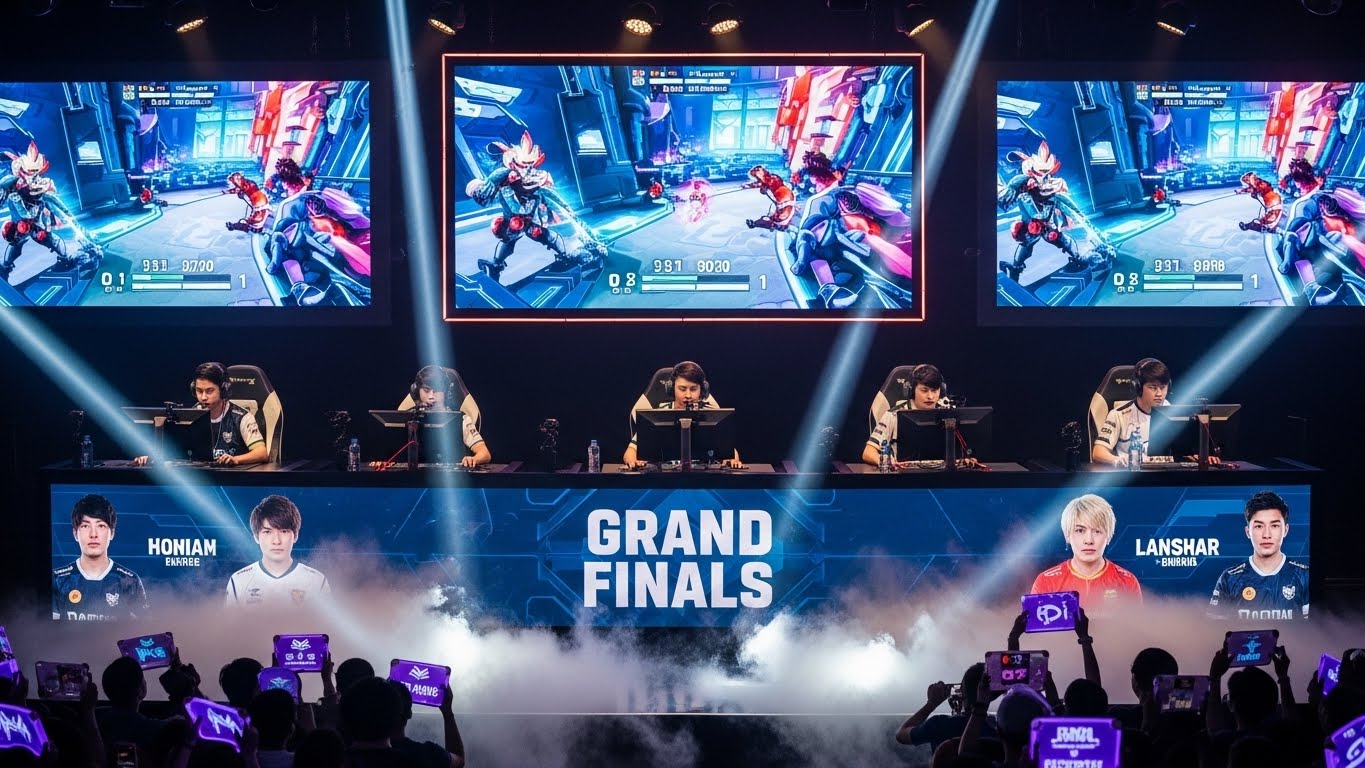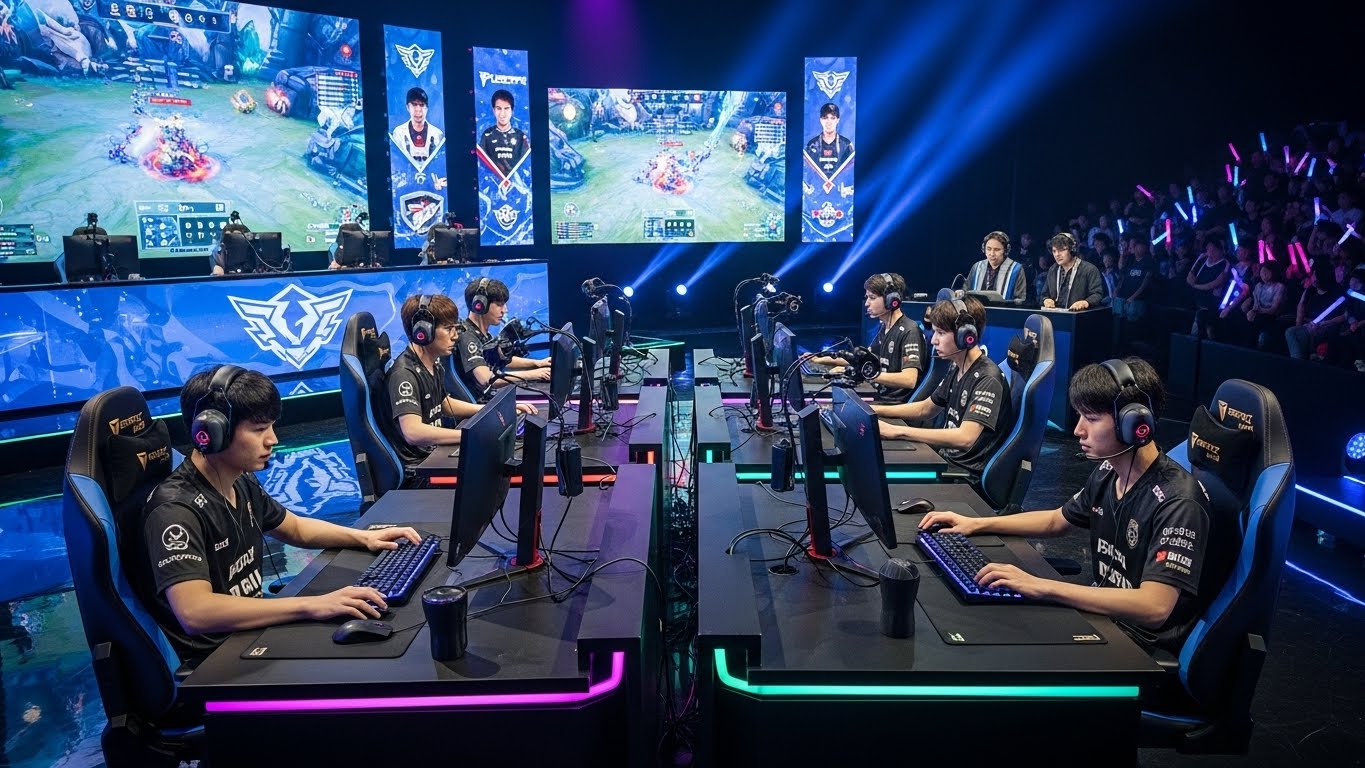

In the last decade, esports has transformed from a niche subculture into a global entertainment powerhouse. What was once considered a pastime for hardcore gamers has now become a multi-billion-dollar industry, with millions of viewers and participants worldwide. From competitive tournaments that fill stadiums to live-streamed events watched by millions from their homes, esports has redefined what it means to be an athlete, a fan, and a competitor in the 21st century. In this blog post, we will explore how esports evolved into the phenomenon it is today, the factors that drove its growth, and the unique aspects of esports that make it an exciting and sustainable form of entertainment.
The Origins of Esports: From Casual Gaming to Competitive Play
Esports, short for electronic sports, refers to competitive video gaming at a professional level. The early roots of esports can be traced back to the 1990s when video games like Doom and Quake introduced multiplayer elements, allowing players to compete against each other over a local area network (LAN). In these early days, gaming competitions were often informal and local, taking place at LAN parties and small gatherings where players tested their skills against one another.
However, the idea of competitive gaming began to take shape more formally at the turn of the century. Major gaming companies recognized the potential of online multiplayer games and began organizing larger tournaments. One of the first notable events was the Cyberathlete Professional League (CPL) in 1997, which hosted competitions for games like Quake and StarCraft. These early tournaments laid the foundation for esports, demonstrating that there was an audience for organized, competitive gaming events.
In the early 2000s, as the internet became more widely accessible, the esports scene began to grow beyond local LAN events. Competitive gaming began to take on a more global scope, and the first true esports leagues began to form, attracting players, teams, and fans from across the world. However, esports was still in its infancy, with limited media exposure and prize pools that were relatively modest compared to traditional sports.
The Rise of Key Esports Titles: League of Legends, Dota 2, and More
The real turning point for esports came with the release of League of Legends in 2009. Developed by Riot Games, League of Legends (LoL) quickly became one of the most popular and influential esports titles of all time. Its accessibility, frequent updates, and deep strategic gameplay helped it build a large and dedicated player base, which in turn helped fuel the growth of professional esports leagues and tournaments.
Riot Games recognized the potential of League of Legends as an esport and took a hands-on approach to its development. In 2011, Riot introduced the League of Legends Championship Series (LCS), a professional league that structured competitive play and provided a platform for teams and players to compete at the highest level. This move marked a key moment in the history of esports, as it helped professionalize the competitive gaming scene and provided a model that other developers and games would follow.
Around the same time, Dota 2, developed by Valve Corporation, also emerged as a major contender in the esports space. Dota 2 is a Multiplayer Online Battle Arena (MOBA) game that quickly garnered a dedicated player base and attracted attention for its highly competitive nature. Valve’s introduction of The International, an annual tournament for Dota 2, further cemented the game’s place in the esports world. With massive prize pools—sometimes exceeding tens of millions of dollars—The International became one of the most prestigious tournaments in all of esports.
Both League of Legends and Dota 2 set the standard for esports tournaments, offering high levels of competition, global exposure, and substantial prize money. These games, along with others like Counter-Strike: Global Offensive and Overwatch, helped to push the growth of esports into the mainstream.
The Role of Streaming Platforms: Bringing Esports to the Masses
One of the key factors in the rise of esports is the emergence of streaming platforms like Twitch, YouTube Gaming, and Facebook Gaming. These platforms have fundamentally changed how people consume live entertainment, making esports accessible to a global audience at the click of a button.
Twitch, launched in 2011, quickly became the dominant platform for live gaming content, providing a space for gamers to broadcast their matches and interact with fans in real time. The platform’s live chat feature allowed fans to engage with players and other viewers, creating a sense of community around competitive gaming. Twitch became the primary streaming service for esports events, and its growth coincided with the rise of professional esports.
Streaming platforms allowed esports tournaments to reach a massive, global audience. Fans could watch their favorite players and teams compete in real-time, no matter where they were located. Moreover, the streaming model also introduced new revenue opportunities for players, teams, and organizers. Professional gamers began to monetize their content through ad revenue, donations, and subscriptions from their fanbases. As esports tournaments grew in scale, so did the number of viewers tuning in to watch them, with some events attracting millions of simultaneous viewers.
These platforms played a critical role in expanding esports beyond its traditional base of gamers, attracting new fans from different backgrounds and demographics. Esports tournaments and leagues have become major events on streaming platforms, drawing in viewers who might not otherwise have been exposed to competitive gaming.
The Business of Esports: Sponsorships, Media Deals, and Team Organizations
Esports has evolved from a niche hobby to a multi-billion-dollar industry with an expansive business ecosystem. The revenue generated by esports comes from multiple sources, including sponsorships, advertising, media rights, ticket sales, and merchandise.
One of the biggest drivers of revenue in esports is sponsorship. As esports became more mainstream, major brands from various industries, such as technology, consumer goods, and automotive, began to recognize the potential of reaching a highly engaged audience. Companies like Intel, Red Bull, Coca-Cola, and Samsung have all invested heavily in esports sponsorships, partnering with teams, players, and tournaments to promote their products and services. These sponsorships are often long-term partnerships, providing financial support to esports organizations and players while helping brands tap into a younger, tech-savvy audience.
In addition to sponsorships, media rights have become a major source of revenue for esports. As esports has gained in popularity, traditional broadcasters and digital platforms have increasingly sought to acquire the rights to stream major tournaments. This has led to partnerships with mainstream media outlets, such as ESPN and Turner Broadcasting, which have aired esports events on television. The growth of esports viewership has been so rapid that many media companies now consider esports to be a legitimate and profitable form of entertainment.
Esports organizations, like Team Liquid, Cloud9, and Fnatic, have also built highly successful business models around their teams. These organizations sign professional players to contracts, sponsor training facilities, and participate in major tournaments. They also manage player development, including coaching, mental conditioning, and marketing, which helps elevate the profiles of players and teams. As the industry matures, esports organizations are becoming increasingly sophisticated in their operations, functioning similarly to traditional sports teams in terms of structure and management.
The Impact of Esports on Traditional Sports
As esports continues to grow, it is beginning to intersect with traditional sports in significant ways. Esports is attracting attention from professional sports teams, investors, and organizations that see the potential for crossover and collaboration. Many traditional sports franchises, including NBA teams like the Philadelphia 76ers and Dallas Mavericks, have invested in esports teams, either by acquiring existing teams or starting their own esports divisions.
These collaborations have brought legitimacy to esports, helping it gain broader recognition as a mainstream form of entertainment. For example, in 2018, the NBA launched the NBA 2K League, an esports league centered around the NBA 2K basketball video game, in collaboration with Take-Two Interactive. The league featured teams associated with actual NBA franchises and attracted both esports fans and basketball enthusiasts.
In addition, traditional sports networks, such as ESPN and Fox Sports, have started to broadcast esports events alongside their regular sports programming. This move reflects the growing acceptance of esports as a legitimate form of competitive entertainment. As more professional athletes and sports organizations get involved in esports, the lines between traditional sports and esports will continue to blur.
The Future of Esports: Virtual Reality, Mobile Gaming, and Global Expansion
Looking to the future, esports is poised to expand even further with the advent of new technologies. Virtual reality (VR) and augmented reality (AR) have the potential to revolutionize the esports experience, offering more immersive ways for players and viewers to engage with games. VR esports, where players compete in fully immersive environments, could become a major segment of the industry, taking the competitive gaming experience to new heights.
Mobile gaming is also expected to play a crucial role in the future of esports. Games like PUBG Mobile and Arena of Valor have already made an impact in regions like Southeast Asia, where mobile gaming is a dominant form of entertainment. As mobile technology improves, esports competitions on mobile devices will continue to grow, especially in emerging markets where PC and console gaming have not been as widespread.
Esports is also set to become more global. While regions like North America, Europe, and Asia have long been hubs for esports, other parts of the world, such as Latin America, the Middle East, and Africa, are seeing a rise in esports participation and viewership. These regions offer new markets for game developers, tournament organizers, and sponsors, further expanding the reach of esports.