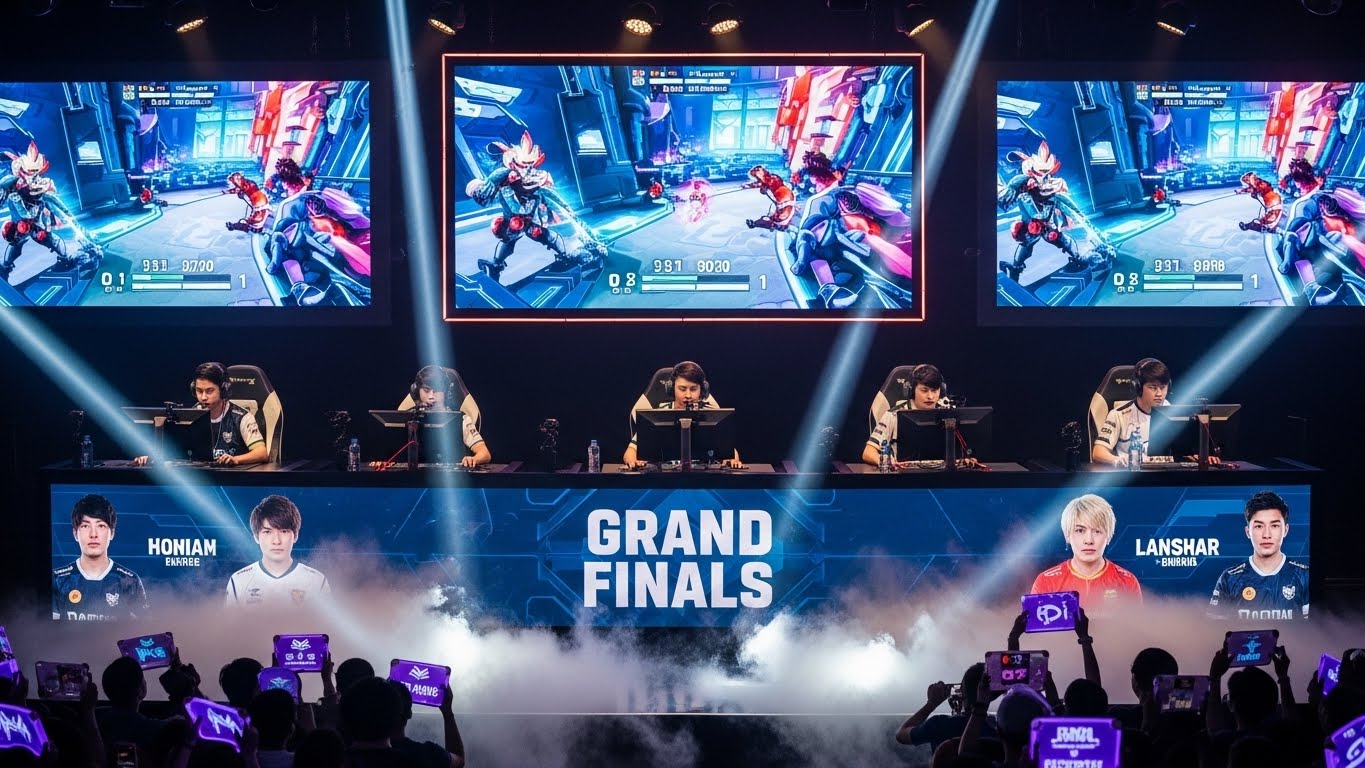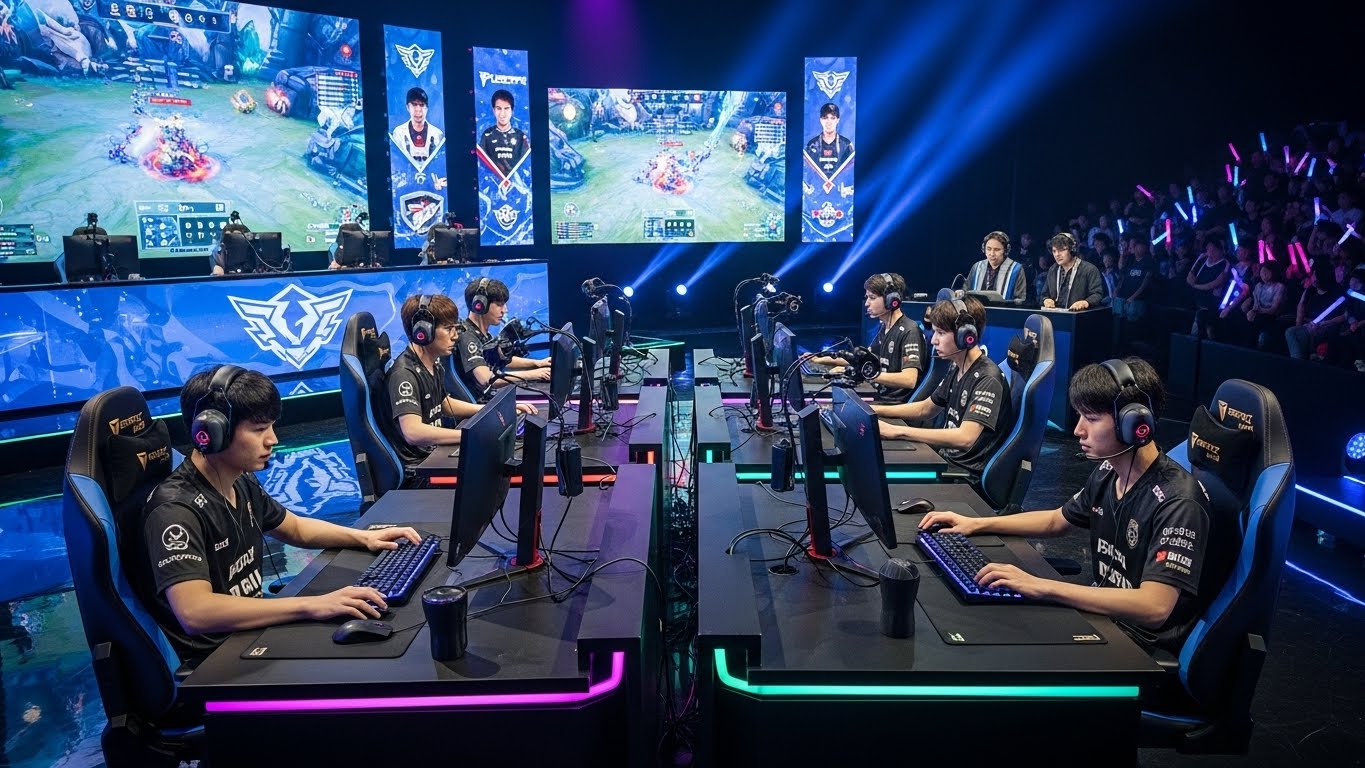
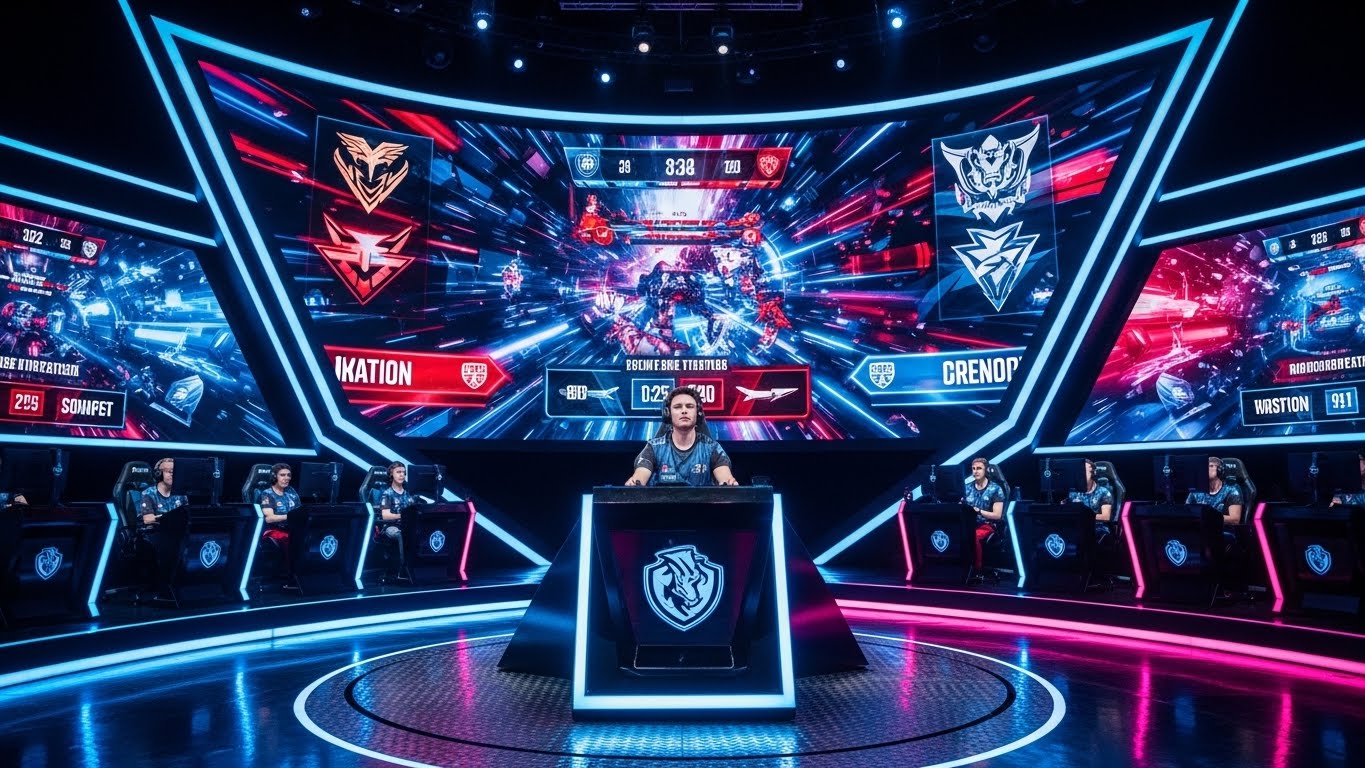
In the past decade, esports has transformed from a niche pastime for hardcore gamers to a global phenomenon, attracting millions of viewers, lucrative sponsorships, and professional players. Esports, or electronic sports, involves organized multiplayer video game competitions, particularly between professional players, individually or as teams. From its humble beginnings in local LAN tournaments to massive international championships, the world of esports has rapidly expanded, blurring the lines between traditional sports and digital entertainment.
This blog post will explore the evolution of esports, the factors driving its growth, the role of technology and streaming platforms, and what the future holds for this rapidly expanding industry.
The Early Days of Esports: From Arcade Games to LAN Tournaments
Esports may seem like a recent development, but competitive gaming has been around for decades. The origins of esports can be traced back to the early 1970s and 1980s when arcade games became a popular form of entertainment. The first known gaming competition took place in 1972 at Stanford University, where students competed in a game called Spacewar. However, it wasn’t until the 1990s that esports began to take shape in the form of organized tournaments and competitions.
The advent of personal computers and the growth of the internet played a pivotal role in the development of esports. One of the earliest competitive games to achieve mainstream recognition was StarCraft, which gained a massive following in South Korea in the late 1990s. South Korea became a hub for esports, with StarCraft tournaments broadcasting on national television and large crowds attending live events. The Korean Pro-gaming League (KPL) became the first major professional esports league, and South Korea remains a key player in the esports ecosystem to this day.
In the late 1990s and early 2000s, esports began to spread globally, with major tournaments like the World Cyber Games (WCG) and Electronic Sports World Cup (ESWC) being held in multiple countries. These tournaments helped establish a global audience for competitive gaming and laid the foundation for the esports leagues we know today.
The Rise of Esports as a Mainstream Industry
The 2010s marked the true rise of esports as a global entertainment industry. Several key developments contributed to this growth, starting with the rise of streaming platforms like Twitch. Founded in 2011, Twitch became the go-to platform for live streaming esports events, allowing gamers to watch professional players and tournaments from the comfort of their own homes. With millions of viewers tuning in for live events, Twitch quickly became the central hub for competitive gaming, enabling players to showcase their skills and attract a following.
Meanwhile, game developers began to recognize the potential of esports as a marketing tool. Titles like League of Legends (LoL), Dota 2, Counter-Strike: Global Offensive (CS:GO), Overwatch, and Fortnite all embraced the competitive gaming scene, supporting tournaments and leagues with significant prize pools. This shift led to the professionalization of esports, with players and teams earning substantial salaries, sponsorships, and endorsements. As the esports scene grew, traditional sports organizations, media companies, and investors began to take notice.
In 2014, the League of Legends World Championship set a new benchmark for esports viewership, attracting over 27 million concurrent viewers. This was a pivotal moment, as it demonstrated the immense global appeal of esports. By 2016, esports had grown so much that ESPN and other major sports networks began to air esports events, further legitimizing the industry in the eyes of mainstream audiences.
Esports as a Global Phenomenon: The Role of Leagues and Tournaments
As esports evolved, so did the infrastructure surrounding it. Today, esports is characterized by its diverse range of tournaments, professional leagues, and teams. Some of the most popular games in the esports world have established their own competitive leagues, similar to traditional sports leagues like the NFL, NBA, or Premier League.
For example, League of Legends has the League of Legends Championship Series (LCS) in North America, the League of Legends European Championship (LEC) in Europe, and the League of Legends Pro League (LPL) in China. These leagues consist of top-tier teams that compete year-round for a spot in the League of Legends World Championship, which has become one of the most prestigious events in esports.
Similarly, Dota 2 boasts The International, an annual tournament with one of the largest prize pools in esports history. In 2021, The International 10 had a prize pool of over $40 million, funded largely by the game’s community through microtransactions. This massive prize pool, combined with the game’s complex strategy and gameplay, has made Dota 2 one of the most watched and revered titles in competitive gaming.
Another major title, Overwatch, established the Overwatch League (OWL) in 2018, offering a city-based league structure akin to professional sports leagues. This was a major development, as it allowed cities to build their own esports teams, complete with local fanbases. The OWL’s first season set records for viewership, and its success further validated esports as a legitimate form of entertainment.
The Role of Streaming Platforms and Viewership Growth
The rapid rise of esports can’t be fully understood without recognizing the importance of streaming platforms like Twitch, YouTube Gaming, and Facebook Gaming. These platforms have become essential for both players and fans, allowing for real-time engagement and interaction.
Twitch, the largest live-streaming platform for gaming, has played a crucial role in connecting gamers with their audiences. With over 15 million daily active users and hundreds of thousands of streamers, Twitch has become a cornerstone of the esports industry. Professional players and teams use the platform to stream their practices, interact with fans, and build their personal brands. Many successful esports athletes have become influencers in their own right, with millions of followers and lucrative sponsorships.
In addition to gaming streams, Twitch hosts major esports tournaments and events. Viewership numbers for these events are staggering—The International 2019 attracted over 1.7 million concurrent viewers on Twitch alone. This level of viewership is on par with major traditional sports events like the Super Bowl, further solidifying esports as a mainstream entertainment industry.
In addition to Twitch, YouTube Gaming and Facebook Gaming are also significant players in the live streaming space. Both platforms have made substantial investments in esports broadcasting, offering exclusive deals with teams, tournaments, and players. These platforms have allowed fans to watch their favorite esports content on a variety of devices and interact with creators in new ways, contributing to the growing popularity of esports worldwide.
The Business of Esports: Sponsorships, Branding, and Revenue Streams
Esports is no longer just about the games themselves; it has become a full-fledged business with multiple revenue streams. Sponsorships, advertising, broadcasting rights, merchandise sales, and even player contracts have turned competitive gaming into a billion-dollar industry.
One of the key drivers of this business growth has been the increasing interest from traditional brands and corporations. Major companies like Coca-Cola, Intel, Nike, and Red Bull have all invested heavily in esports sponsorships, recognizing the potential to reach a young, tech-savvy audience. These companies sponsor teams, tournaments, and players, providing significant financial support and helping to elevate esports events to the level of traditional sports competitions.
In addition to corporate sponsorships, esports organizations are also generating revenue through advertising, ticket sales, and merchandise. Live events, especially large-scale tournaments, draw thousands of fans who purchase tickets, event passes, and exclusive merchandise. The growth of esports as an entertainment industry has also led to the creation of esports arenas and stadiums where major events are held. These venues, equipped with state-of-the-art technology, create a live experience for fans while generating substantial revenue from ticket sales and sponsorships.
Another important revenue stream comes from media and broadcasting rights. Just like traditional sports leagues, esports organizations and tournament organizers sell the rights to broadcast their events on platforms like Twitch, YouTube, and even cable television. The value of these broadcasting deals has skyrocketed in recent years as esports viewership continues to grow.
The Role of Esports Players and Teams: From Hobbyists to Professionals
One of the most fascinating aspects of esports is the rise of professional players. In the past, competitive gamers were often seen as amateurs or hobbyists, but today, they are considered athletes in their own right. Esports players are highly skilled, strategically minded, and often dedicate hours of practice each day to hone their craft.
Professional esports players have become celebrities, with large followings on social media and streaming platforms. Some players even earn six-figure salaries through tournament winnings, sponsorships, and streaming. For example, Fortnite pro Tyler “Ninja” Blevins became one of the most recognized names in gaming, securing lucrative sponsorship deals with brands like Red Bull, Adidas, and Samsung.
Esports teams have also followed the same structure as traditional sports organizations, with coaching staffs, analysts, and even psychologists helping players improve their performance. These teams operate like professional sports franchises, with scouting systems, rigorous training regimens, and brand sponsorships. Top-tier teams such as Team Liquid, Cloud9, FaZe Clan, and G2 Esports have signed some of the best players in the world, competing in tournaments with massive prize pools.