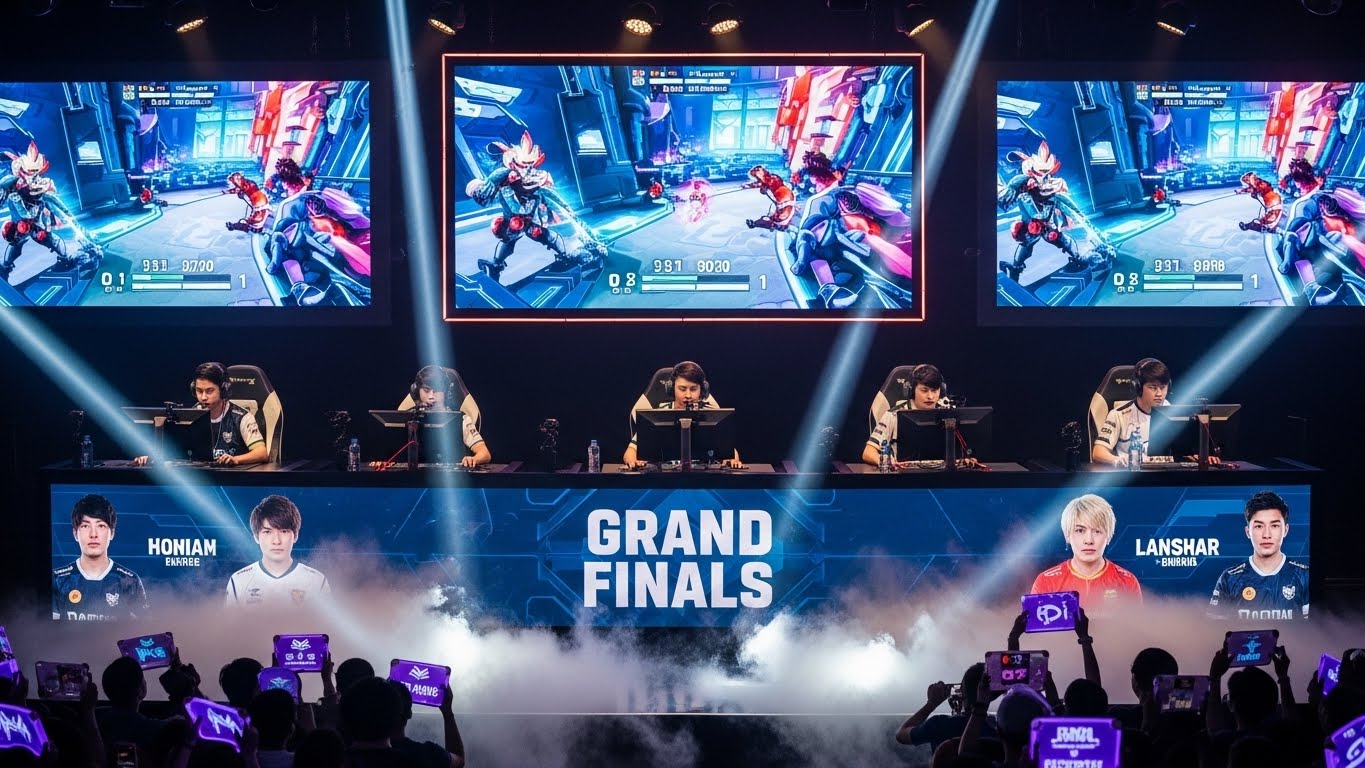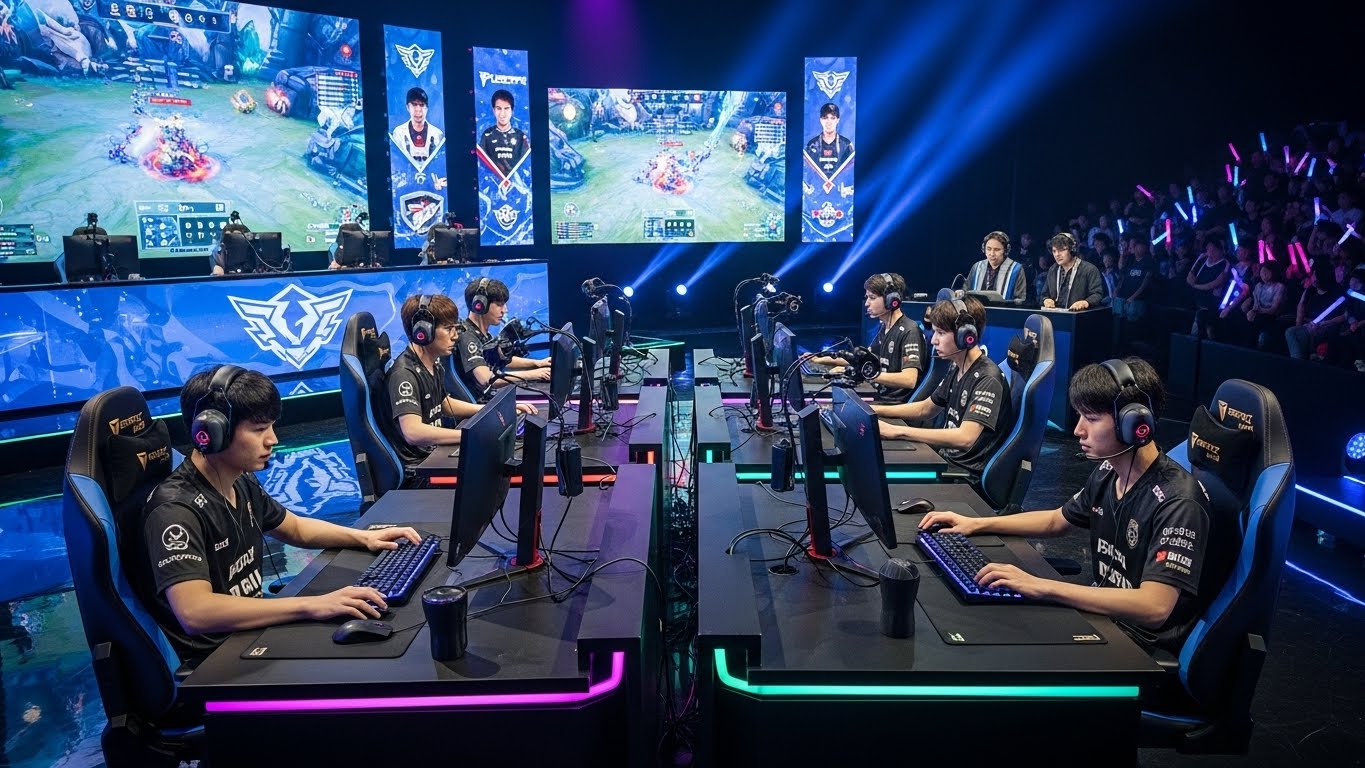
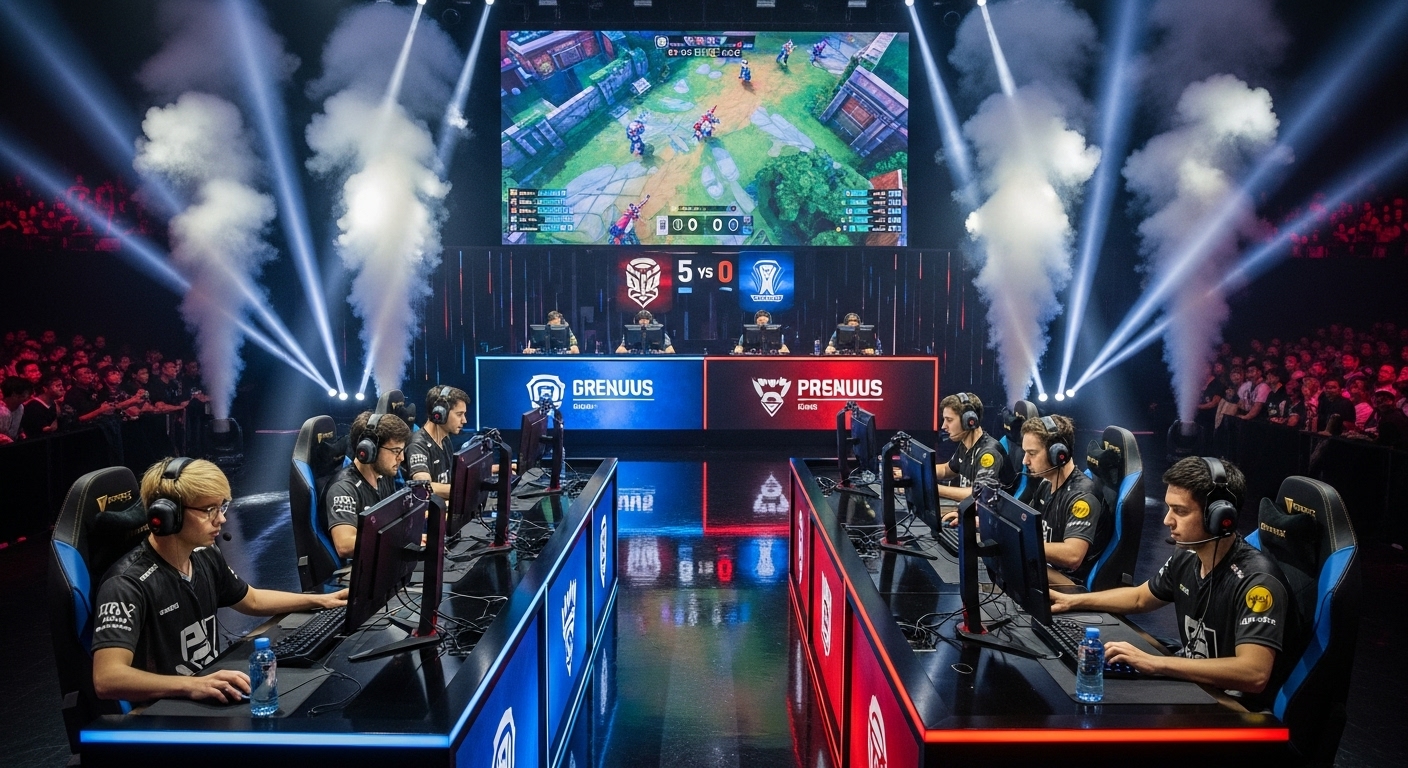
In recent years, eSports has transitioned from a niche interest to a global cultural phenomenon. What was once a small subculture of gamers competing for fun has grown into a multibillion-dollar industry, attracting millions of viewers, professional players, and investors from around the world. With its competitive nature, intense fan base, and high-profile tournaments, eSports has become a major player in the world of sports and entertainment.
eSports, or electronic sports, refers to organized, multiplayer video game competitions, particularly between professional players, individually or as teams. The scope of eSports extends beyond traditional gaming; it now includes sponsorships, media coverage, live streaming platforms, and even educational and career opportunities. As gaming continues to evolve, so does the role of eSports in the modern world. This blog will explore the rise of eSports, its global impact, and its future in both the entertainment and sports industries.
The Origins of eSports: From Hobby to Profession
While competitive gaming has existed in various forms since the 1970s, the true birth of eSports as we know it today can be traced back to the late 1990s and early 2000s. The evolution of the internet, along with the growing popularity of online multiplayer games, provided the perfect environment for eSports to take off. In the early days, competitions were often informal, with gamers organizing tournaments on platforms like local area networks (LANs). These events were small, regional, and primarily driven by the passion of players.
The first significant step toward formalizing competitive gaming came with the launch of major events like the World Cyber Games (WCG) in 2000 and The Electronic Sports World Cup (ESWC) in 2003. These international tournaments helped to establish the idea of eSports as a serious competitive industry, with gamers from around the world vying for cash prizes and global recognition. Games like StarCraft, Quake, and Counter-Strike became central to early eSports competitions, as they featured the type of strategy, skill, and teamwork necessary for high-level competition.
The growth of streaming platforms like Twitch, which launched in 2011, further propelled eSports into the mainstream. Twitch allowed fans to watch live broadcasts of tournaments and events in real-time, turning eSports into a spectator sport. The accessibility of streaming also helped build vibrant online communities, where fans could interact with their favorite players, teams, and brands.
The Key Components of eSports
The success of eSports lies in its complex mix of competitive gaming, entertainment, community engagement, and business development. Several key components contribute to the growth and popularity of eSports:
1. The Games: A Diverse Range of Titles
At the heart of eSports are the games themselves. While some games have become staples in the competitive gaming world, such as League of Legends, Counter-Strike: Global Offensive, Dota 2, and Overwatch, eSports spans a wide range of genres, including first-person shooters (FPS), multiplayer online battle arenas (MOBA), real-time strategy (RTS), and sports simulations.
Each game offers unique challenges and strategies, which require players to master different skill sets. The evolution of game design has also played a crucial role in shaping competitive gaming. Developers often work closely with eSports organizations to ensure their games are balanced, engaging, and suitable for high-level competition. Regular updates, patches, and expansions keep the games fresh, while also ensuring that competitive play remains fair and exciting.
2. Professional Players: The New Athletes
At the core of eSports are the professional players—elite competitors who dedicate their lives to mastering the games they play. These players train for hours every day, refining their strategies, improving their mechanics, and analyzing their gameplay to stay ahead of the competition. The best players not only have exceptional skills but also mental resilience, as they face intense pressure, often in front of thousands or even millions of spectators.
Becoming an eSports professional is no small feat. Many players begin their journey in their teens, often competing in amateur tournaments or joining semi-professional teams. As they gain experience and build a reputation, they can attract attention from top-tier organizations, who offer sponsorships and contracts.
Top eSports players often enjoy celebrity status, especially in the most popular games. Some, like Faker from League of Legends, Ninja from Fortnite, or s1mple from Counter-Strike, have amassed millions of followers on social media and streaming platforms. Their influence extends far beyond gaming, with sponsorships from global brands, television appearances, and lucrative endorsement deals.
3. The Teams: The Power of Collaboration
In many eSports titles, teams play a critical role in shaping the competitive scene. Teams are made up of professional players who compete together in organized leagues, tournaments, and championships. Team-based games like League of Legends, Dota 2, and Overwatch require strong coordination, communication, and collaboration between players to achieve victory. Team dynamics are just as important as individual skill, and the best teams often excel because they know how to work together to execute strategies and outsmart their opponents.
eSports organizations, which manage and sponsor teams, have grown significantly in size and influence. These organizations operate much like traditional sports teams, with coaches, analysts, and support staff working behind the scenes to optimize player performance. Many eSports organizations have built global fan bases, and some, like Team Liquid, Cloud9, and Fnatic, have become household names in the gaming world.
4. Tournaments and Leagues: The Thrill of Competition
Tournaments are the heart of competitive gaming. From small, local events to massive international championships, eSports tournaments bring together the best players and teams to compete for prize money, glory, and recognition. The largest eSports tournaments, such as The International for Dota 2 or the League of Legends World Championship, attract millions of viewers both online and in person, with prize pools often reaching tens of millions of dollars.
In addition to one-off tournaments, professional eSports players compete in structured leagues throughout the year. These leagues provide consistent competition and allow players to showcase their skills across multiple events. Games like Overwatch, Call of Duty, and Rocket League all have established leagues that run regular seasons, culminating in playoff events and finals.
The rise of franchised leagues has brought more stability and long-term investment into the eSports ecosystem. Major organizations such as Riot Games (for League of Legends) and Blizzard Entertainment (for Overwatch League) have created franchise models, which allow eSports teams to secure long-term contracts, sponsorships, and lucrative deals with media outlets. This professionalization of eSports has created more opportunities for players and teams to grow and thrive within the industry.
5. The Audience: Fans and Spectators
The spectator aspect of eSports is perhaps one of the most unique elements of the industry. Just as people tune in to watch traditional sports, eSports fans flock to streaming platforms like Twitch, YouTube, and Facebook Gaming to watch live matches, tournaments, and even training sessions. These platforms have enabled fans to watch eSports from anywhere in the world, creating a truly global community.
In addition to live streaming, eSports fans are deeply engaged with their favorite players and teams on social media. Platforms like Twitter, Reddit, and Instagram are filled with discussions, fan art, memes, and interviews, creating a sense of belonging for viewers. Fan engagement is a key part of the eSports experience, as it allows fans to interact with players, teams, and each other.
Some major tournaments, such as The International or League of Legends Worlds, have sold out massive arenas, and fans attend in person to cheer on their favorite teams. These events have become grand spectacles, complete with live broadcasts, elaborate stage setups, and professional commentators who provide play-by-play analysis, much like traditional sports broadcasts.
eSports as a Business: Sponsorships, Revenue Streams, and the Future
The business side of eSports has experienced explosive growth in recent years. Revenue from eSports comes from several sources, including sponsorships, advertising, media rights, ticket sales, merchandise, and even the sale of in-game items. Companies like Intel, Coca-Cola, and Mercedes-Benz have recognized the potential of eSports and have become major sponsors of teams, events, and leagues.
The popularity of eSports has also attracted investments from traditional sports franchises, technology companies, and media outlets. For example, NBA teams like the Philadelphia 76ers and Miami Heat have invested in eSports organizations, while tech giants such as Microsoft and Amazon have shown interest in supporting eSports infrastructure.
As eSports continues to grow, so do the opportunities for monetization. Streaming platforms, for example, pay content creators based on viewership and engagement. Online betting on eSports has also emerged as a popular trend, and many organizations are exploring the potential of cryptocurrency and NFTs within the gaming ecosystem.
The future of eSports looks bright, with increasing mainstream acceptance and more opportunities for players, teams, and fans alike. As technology advances and more people become interested in gaming, eSports is set to continue its rise, reaching new audiences and becoming a permanent fixture in the entertainment landscape.
The Challenges Ahead for eSports
While eSports has made tremendous strides in recent years, the industry is not without its challenges. Issues such as player burnout, mental health concerns, and fair competition remain significant obstacles. The rapid pace of change in the industry also means that players and organizations must constantly adapt to new technologies, games, and business models.