Introduction: A New Definition of Competition
Esports has redefined what competition looks like in the twenty-first century. Once confined to bedrooms and small internet cafés, competitive gaming has grown into a global industry watched by millions and supported by major organizations, brands, and institutions. Esports is no longer just about playing video games for fun; it represents discipline, strategy, teamwork, and professional ambition. As digital technology continues to shape entertainment, esports stands at the center of a cultural shift that blends gaming, sportsmanship, and global connectivity.
Understanding Esports Beyond Gaming
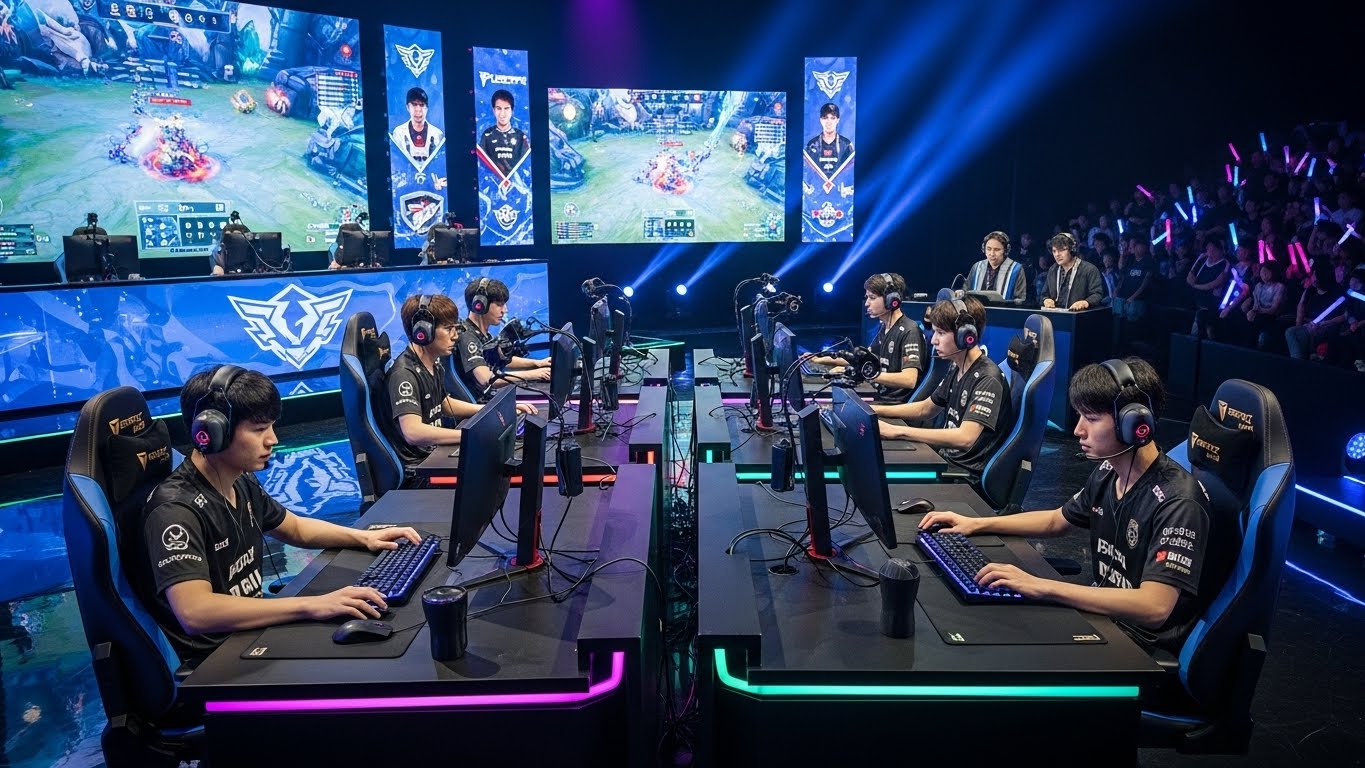
Esports refers to organized competitive video gaming where players or teams compete under structured rules in professional tournaments. Unlike casual gaming, esports requires high-level skill, strategic thinking, fast reflexes, and consistent practice. Players study gameplay mechanics, analyze opponents, and work with teammates to achieve victory. Just like traditional sports, esports features leagues, seasons, championships, and rankings. This structured environment elevates gaming into a legitimate competitive field that demands commitment and professionalism.
The Early Days of Competitive Gaming
The roots of esports stretch back to early video game competitions held decades ago. In the beginning, players gathered locally to compete on arcade machines or early consoles. These events were small but passionate, driven by a shared love for gaming. As home computers and internet access became widespread, competition moved online. Players could now challenge opponents from different regions, giving rise to online tournaments and competitive communities. These early developments laid the foundation for the modern esports ecosystem.
The Games That Built the Esports World
Esports thrives on games designed for competition. These games are carefully balanced, constantly updated, and supported by active developer involvement. Different genres dominate the esports scene, each offering a unique style of play. Strategy-based games focus on planning and adaptability, while shooter games emphasize precision and reaction time. Multiplayer online battle arenas demand teamwork, coordination, and role specialization. The variety of competitive games ensures that esports appeals to a wide audience with diverse interests and skills.
Professional Players and Their Journey
Becoming a professional esports player requires dedication comparable to that of traditional athletes. Players often train for long hours, refining mechanics, studying strategies, and improving communication with teammates. Mental strength is just as important as technical skill, as competitive matches involve intense pressure and high expectations. Many players start at a young age, progressing through amateur leagues before being noticed by professional teams. Behind every successful player is a story of perseverance, discipline, and constant self-improvement.
Team Structure and Support Systems
Esports teams operate as professional organizations with structured roles and responsibilities. Beyond players, teams include coaches, analysts, managers, and support staff. Coaches focus on strategy and performance improvement, while analysts study gameplay data and opponents’ tendencies. Managers handle logistics, schedules, and player well-being. This professional structure allows players to focus on competition while ensuring long-term growth and stability. Team synergy and trust are essential, as success often depends on coordination rather than individual talent alone.
Technology as the Backbone of Esports
Technology is the driving force behind esports growth. High-speed internet enables real-time competition across continents, while advanced gaming hardware ensures smooth and fair gameplay. Streaming technology allows fans to watch matches live, creating a shared global experience. Innovations in broadcasting, such as multiple camera angles and real-time statistics, enhance viewer engagement. As technology continues to evolve, esports benefits from increased accessibility, better performance, and more immersive experiences for both players and audiences.
Esports as a Spectator Phenomenon
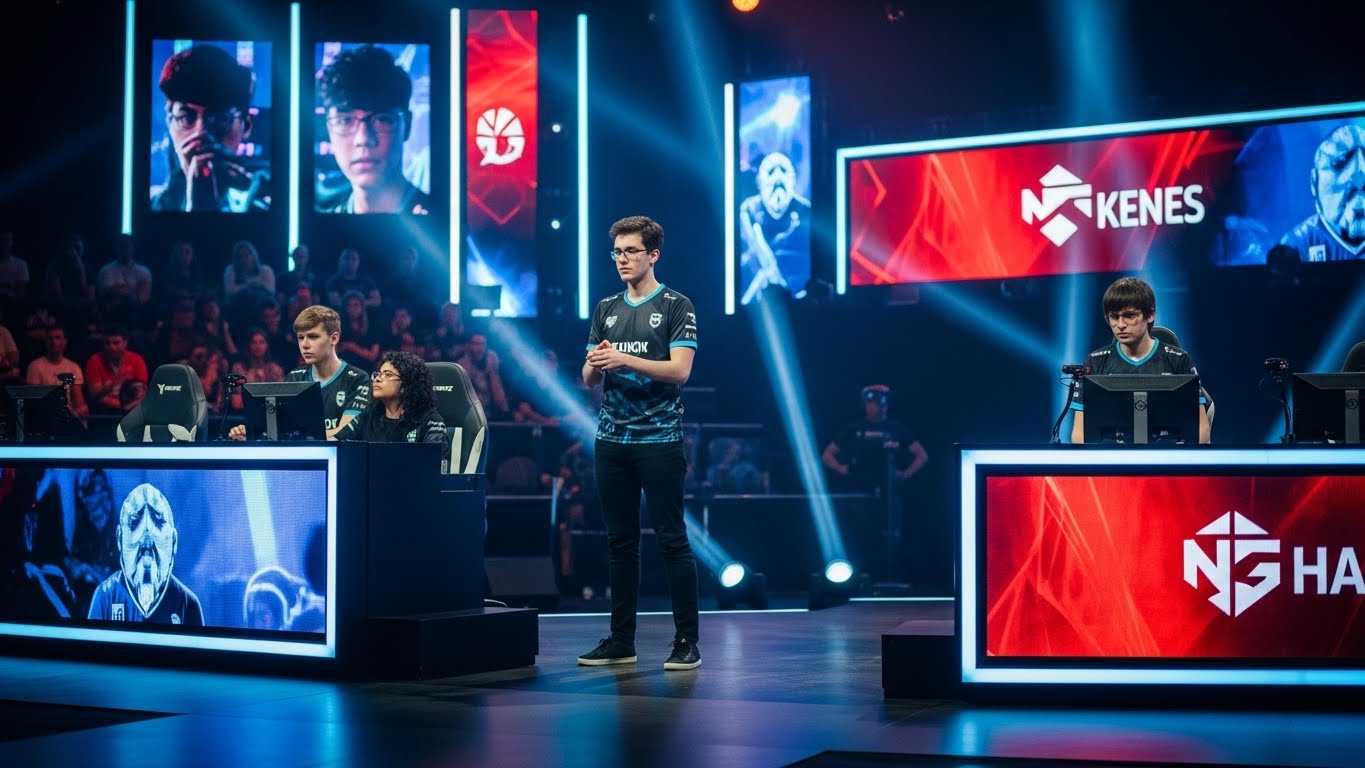
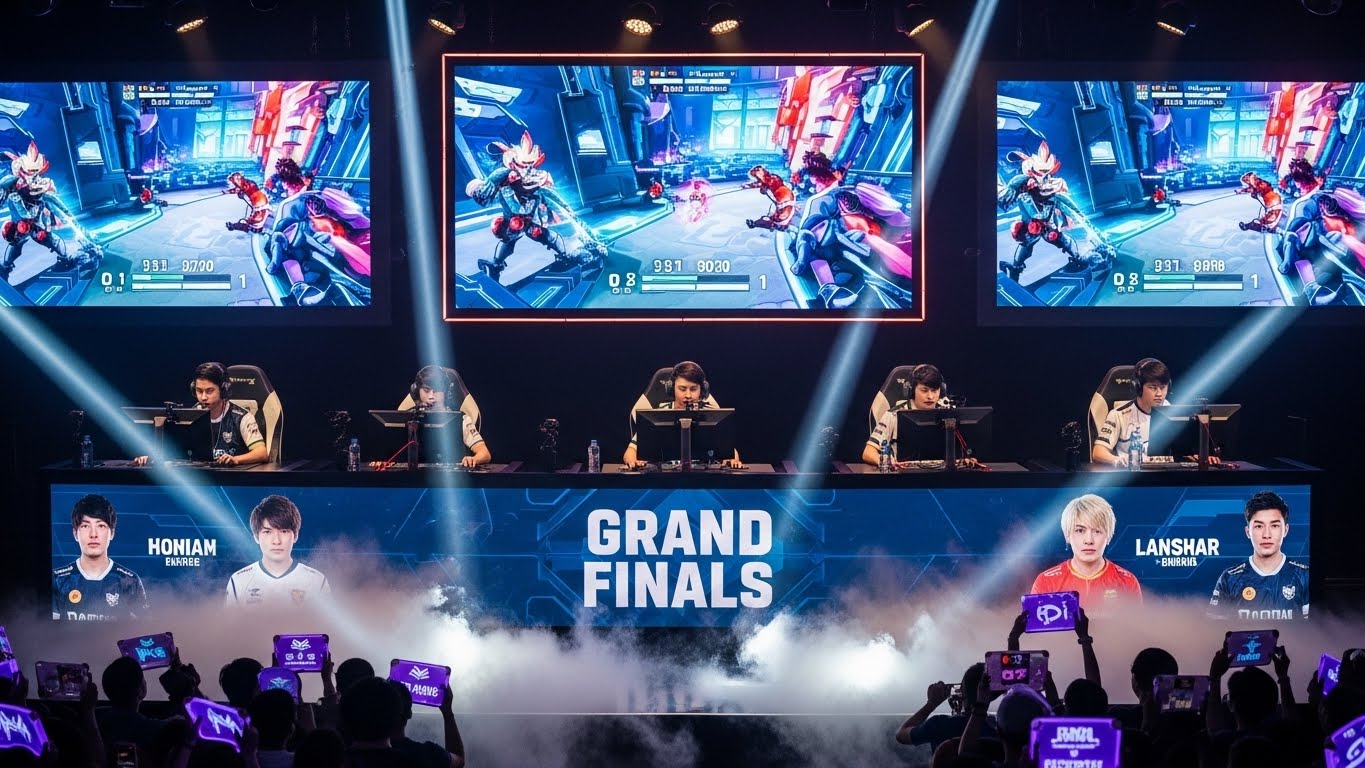
Watching esports has become a form of mainstream entertainment. Professional tournaments feature polished production, expert commentary, and engaging storytelling. Spectators are drawn not only to the gameplay but also to the personalities, rivalries, and narratives that develop over time. Live events recreate the atmosphere of traditional sports arenas, filled with excitement, emotion, and fan energy. Online viewers participate through chats and communities, making esports a highly interactive spectator experience.
Economic Growth and Industry Expansion
The esports industry has grown into a powerful economic force. Revenue comes from sponsorships, advertising, merchandise, ticket sales, and media rights. Prize pools for major tournaments reach impressive levels, reflecting the industry’s financial strength. Beyond players, esports creates employment opportunities in marketing, content creation, event production, journalism, and technology. This expanding ecosystem proves that esports is not just entertainment but a sustainable industry with long-term potential.
Cultural Impact and Global Community
Esports connects people across cultures, languages, and borders. Players from different countries compete on equal footing, fostering mutual respect and cultural exchange. Fans form global communities united by shared interests and passion for competition. Esports influences fashion, music, and online culture, shaping trends among younger generations. For many, esports provides a sense of identity and belonging in an increasingly digital world, highlighting its role as a cultural movement rather than just a pastime.
Education and Career Pathways
Educational institutions have begun recognizing esports as a valuable learning platform. Schools and universities now offer esports programs, clubs, and scholarships. These initiatives teach teamwork, leadership, strategic thinking, and digital literacy. Esports also opens doors to careers beyond playing, including game design, coaching, broadcasting, and management. By integrating esports into education, institutions help legitimize competitive gaming while preparing students for opportunities in the digital economy.
Challenges Within the Esports Landscape
Despite its success, esports faces significant challenges. Player burnout is a growing concern due to intense schedules and high expectations. Mental health support and fair working conditions are essential for long-term sustainability. Competitive integrity must also be protected, as cheating or unethical behavior can damage trust. Additionally, the industry must work toward inclusivity, ensuring equal opportunities regardless of gender, background, or region. Addressing these challenges is crucial for maintaining esports’ credibility and growth.
The Future of Esports
The future of esports is filled with opportunity and innovation. As technology advances, competitions will become more immersive and accessible. Emerging regions will introduce new talent and audiences, further expanding the global reach. Collaboration with traditional sports, media organizations, and educational institutions will continue to strengthen legitimacy. Esports is still evolving, and its ability to adapt will determine how it shapes the future of competition and entertainment.
Conclusion: Esports as a Defining Digital Movement
Esports has transformed gaming into a global competitive spectacle that blends skill, strategy, and technology. It represents a shift in how society views competition, entertainment, and digital interaction. More than just games, esports embodies ambition, community, and innovation. As it continues to grow and mature, esports will remain a defining force in the digital age, proving that competition can thrive not only on physical fields but also in virtual arenas where talent knows no boundaries.