Introduction: A New Era of Digital Competition
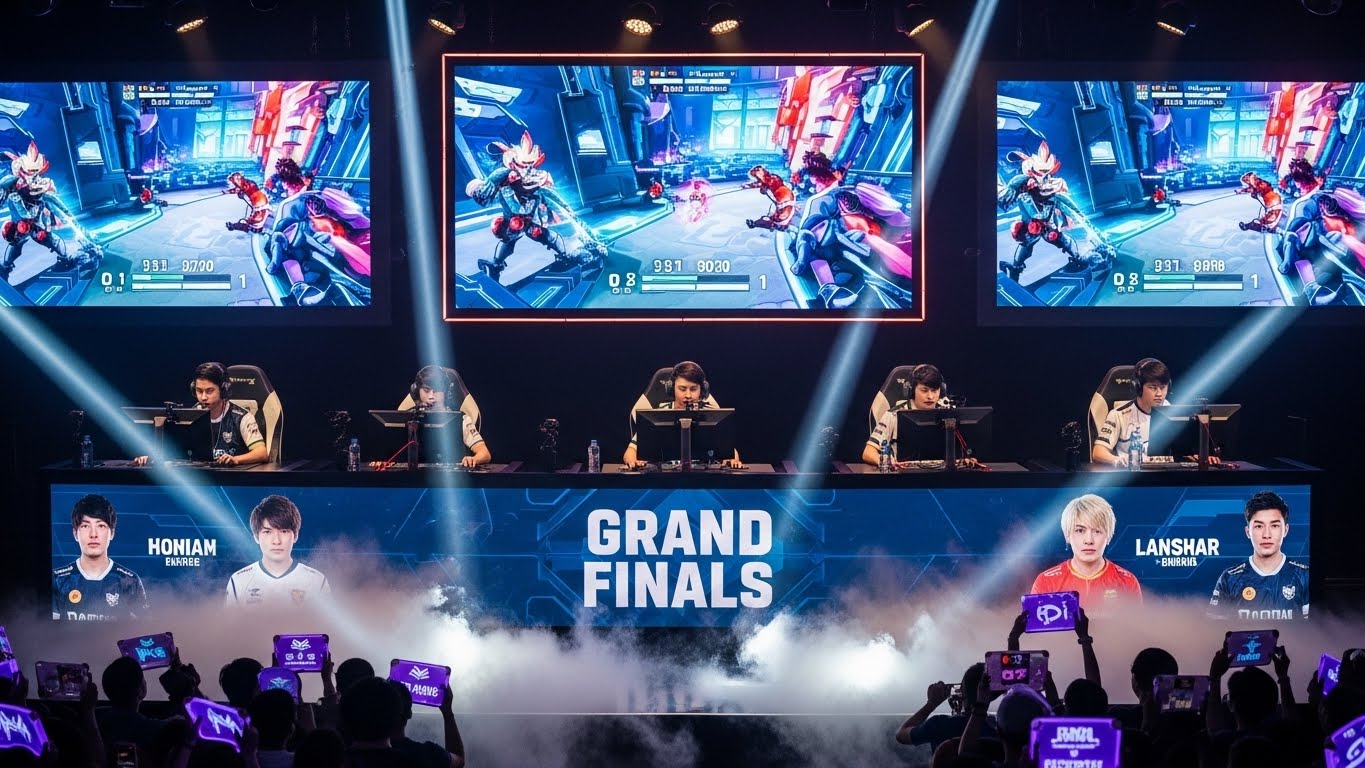
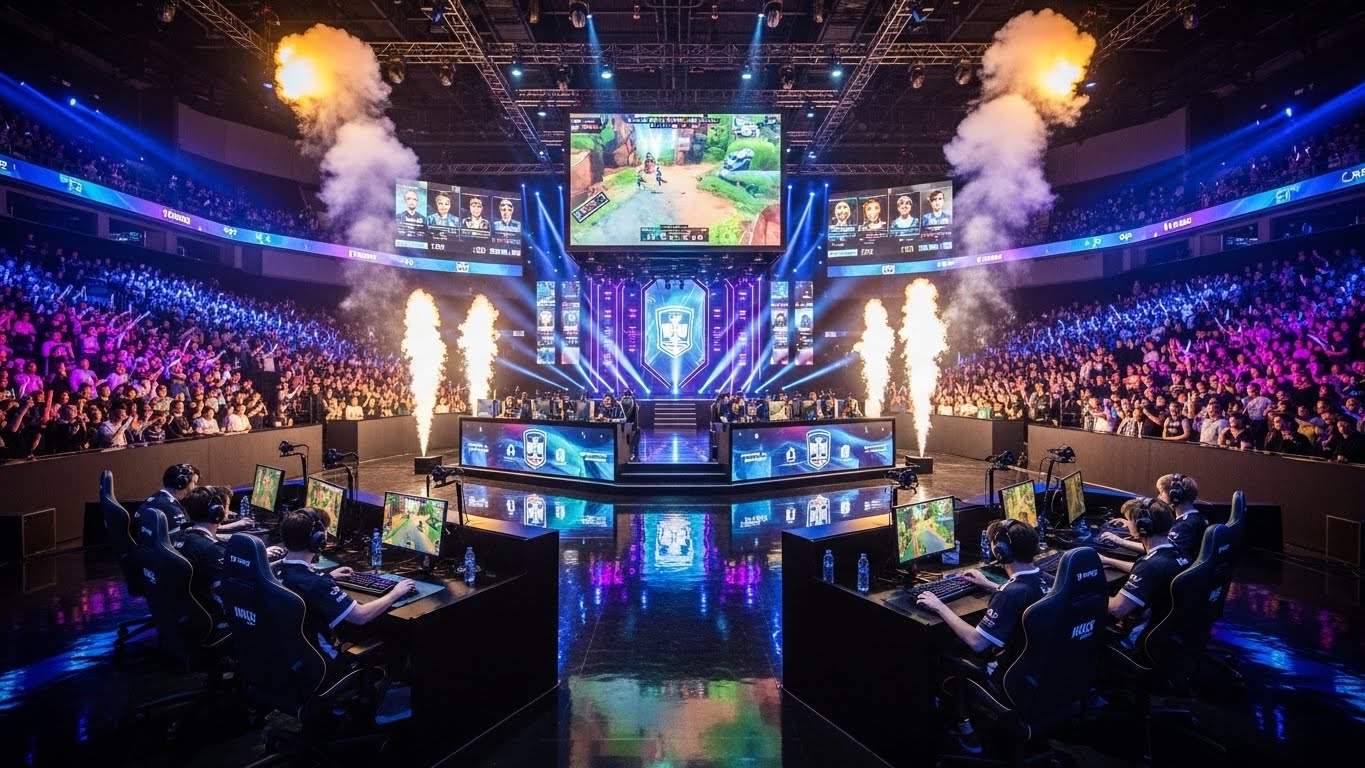
Over the past decade, esports has rapidly evolved from a niche hobby into a global entertainment powerhouse. What was once viewed as a pastime for gamers in dimly lit rooms has transformed into a competitive industry worth billions, drawing audiences that rival traditional sports. Today, esports tournaments fill stadiums, professional players sign sponsorship deals, and millions tune in to watch elite gameplay online. This revolution didn’t happen overnight. It is the product of technological innovation, community growth, and a universal desire for competition that transcends physical boundaries. Esports is not simply about playing games; it is the reshaping of how we understand sports, teamwork, and entertainment.
The Roots of Esports: From Arcades to Arenas
Esports began long before global events and million-dollar prize pools. Its history can be traced to early arcade competitions, where players lined up to top the leaderboard. In the 1990s and early 2000s, LAN tournaments became popular, especially with titles like StarCraft and Counter-Strike. These gatherings served as the foundation for organized competitive gaming, creating loyal communities and establishing the idea that gaming could be taken seriously.
As home internet connections improved and online multiplayer platforms grew, the world began to see the potential for large-scale competition. This was the beginning of esports as we know it today, where players from different continents could join a match within seconds. The explosion of broadband internet marked the transition from casual gaming to highly competitive online ecosystems.
Why Esports Became a Cultural Phenomenon
The global rise of esports came from a perfect blend of technological progress and cultural shifts. High-quality graphics, accessible gaming devices, and livestreaming platforms made competitive gaming a worldwide spectacle. But what sets esports apart from traditional sports is its accessibility. Anyone with a computer or console can try their skill online. This creates a global talent pool that is constantly growing.
Another reason behind esports’ cultural success is that many modern games are inherently social. They rely on teamwork, communication, and strategy. Players build communities, clans, and friendships that often last longer than the games themselves. This sense of belonging fuels interest and loyalty within the esports world.
Furthermore, esports appeals to generations who grew up with technology. Younger audiences naturally gravitate toward digital entertainment, making esports one of the primary ways they consume competitive content. Companies and advertisers quickly realized that esports carries the same marketing potential as traditional sports but with an audience that is more engaged, tech-savvy, and brand-aware.
The Professional Player: Training Beyond the Screen
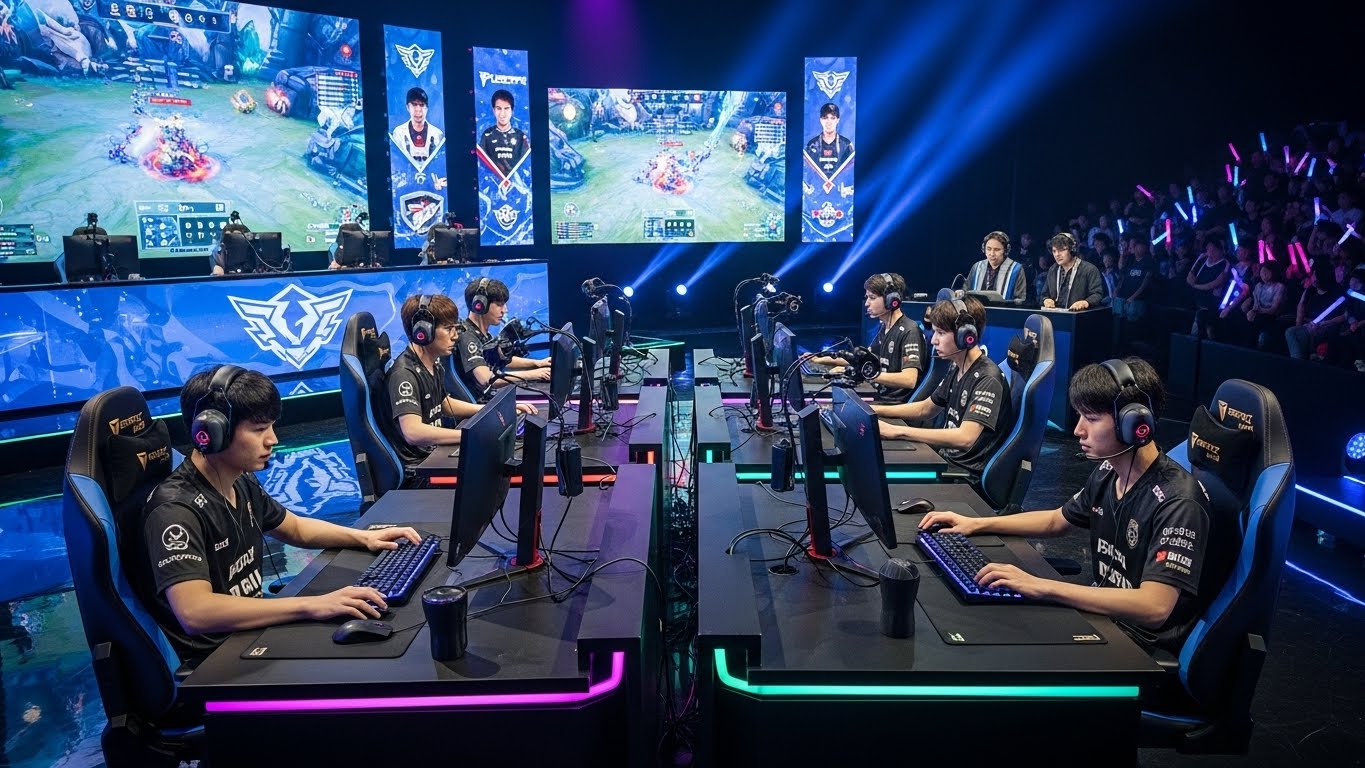
The life of a professional esports player is far more disciplined than many assume. Just like athletes in traditional sports, esports players follow rigorous training schedules. A typical day can involve eight to twelve hours of practice, team strategy meetings, gameplay analysis, and physical conditioning. Reflex training, mental exercises, and nutritional guidance have all become part of the esports lifestyle.
Teams often hire coaches, analysts, psychologists, and fitness trainers to ensure players remain at peak performance. Reaction speed and accuracy are critical, and players must also maintain emotional control and mental stamina during high-pressure matches. The competitive environment is intense, and burnout is a significant issue. As a result, teams emphasize balanced routines that support both mental and physical health.
Esports professionals also face shorter career spans compared to athletes in some traditional sports. Most players peak in their late teens to mid-twenties because reaction times naturally slow with age. This makes every moment in a professional career precious, pushing players to give everything they have during their competitive years.
The Business Behind Esports: A Growing Industry
Behind the skilled players and roaring crowds lies a sophisticated ecosystem. Esports organizations operate like sports franchises, managing teams across multiple games. Revenue comes from sponsorships, advertising, merchandise sales, streaming, and tournament winnings. The most successful organizations build strong brands that fans follow across seasons and events.
Tournament organizers also play a crucial role. They handle event production, prize distributions, rules, and broadcasting. Some of the biggest tournaments hold prize pools comparable to major traditional sports events. Game developers themselves often financially support tournaments because esports keeps their games relevant and profitable.
Corporate sponsors from various industries—tech, energy drinks, apparel, and more—continuously invest in esports due to its massive audience reach. This growing web of partnerships shows that esports has become more than entertainment; it is a thriving business with long-term potential.
The Games That Shaped the Competitive Landscape
Several games have made an enduring impact on esports, each bringing its own style of competition.
Competitive shooters like Counter-Strike and tactical games like League of Legends and Dota 2 have created some of the largest fan bases in the world. Sports-based games bring in fans of real-life athletics, blending traditional and digital sports cultures. Fighting games focus on individual skill, attracting players who thrive under pressure.
Every game has a unique ecosystem, complete with strategies, metas, and dedicated communities. These communities are often what keep games alive long after release, fueling continued competition and innovation.
The Role of Streaming and Content Creation
Livestreaming platforms revolutionized esports in a way no one could have predicted. Instead of waiting for tournaments, fans can watch their favorite players practice, interact, and stream daily. This creates a stronger connection between players and their audience. Many esports athletes double as content creators, earning additional income and boosting their visibility.
Behind every esports star is a community that supports them. This relationship between player and audience is far more personal than what is typically seen in traditional sports. Viewers can chat directly with players, ask questions, and join games. This interactive environment makes esports feel alive, constantly evolving with each stream and event.
Esports in Education: A Pathway to New Careers
Esports is increasingly becoming part of educational institutions. Many universities offer scholarships for esports players, forming official teams and building dedicated training facilities. Schools are recognizing that esports encourages teamwork, critical thinking, and technological literacy.
Beyond gameplay, students can pursue careers in coaching, event management, game design, digital marketing, and broadcasting. The esports industry provides a wide variety of career opportunities that align with modern academic paths. What was once seen as a distraction is now becoming a legitimate educational and professional pursuit.
Global Community and Inclusivity in Esports
One of esports’ greatest strengths is its global reach. Players from every corner of the world can compete on the same stage. This creates a diverse environment where nationality, background, and language don’t limit participation.
Inclusivity is also improving, with increasing support for women in gaming and representation from diverse groups. Although challenges remain, esports is moving toward a more open and equitable future where talent and dedication are what truly matter.
Challenges Facing the Esports Industry
Despite its growth, esports still faces obstacles. Player burnout, inconsistent tournament regulations, and issues like cheating or match-fixing can damage the industry’s reputation. There are also concerns regarding player contracts, wages, and long-term financial stability.
Mental health remains an area requiring more attention. The pressure to perform, maintain popularity, and constantly improve can lead to stress and anxiety. Teams and organizations must continue to invest in player welfare to ensure healthy, sustainable careers.
Another challenge is public perception. Some people still do not consider esports a legitimate form of competition. However, as more institutions and industries recognize its value, this perception continues to shift.
The Future of Esports: Expanding Horizons
The future of esports is filled with possibilities. As technology advances, virtual reality and augmented reality could introduce new forms of competitive gaming. Improved global connectivity will make competitions even more engaging and accessible.
Traditional sports organizations are also entering the esports world, creating partnerships and hybrid events. This blending of physical and digital sports could redefine entertainment. Esports will continue to evolve, shaped by innovation, creativity, and the passion of millions of fans.
Conclusion: More Than a Game
Esports has grown into a vibrant ecosystem where passion, skill, and innovation come together. It is more than a form of entertainment; it is a global movement that reflects the way modern society connects, competes, and communicates. Behind every tournament, every team, and every cheering fan lies the realization that esports has become a defining cultural force of the digital age.
As the industry continues to grow, one thing is clear: esports is not just the future of gaming. It is the future of competitive entertainment itself.