
Introduction: The Rise of a New Kind of Sport
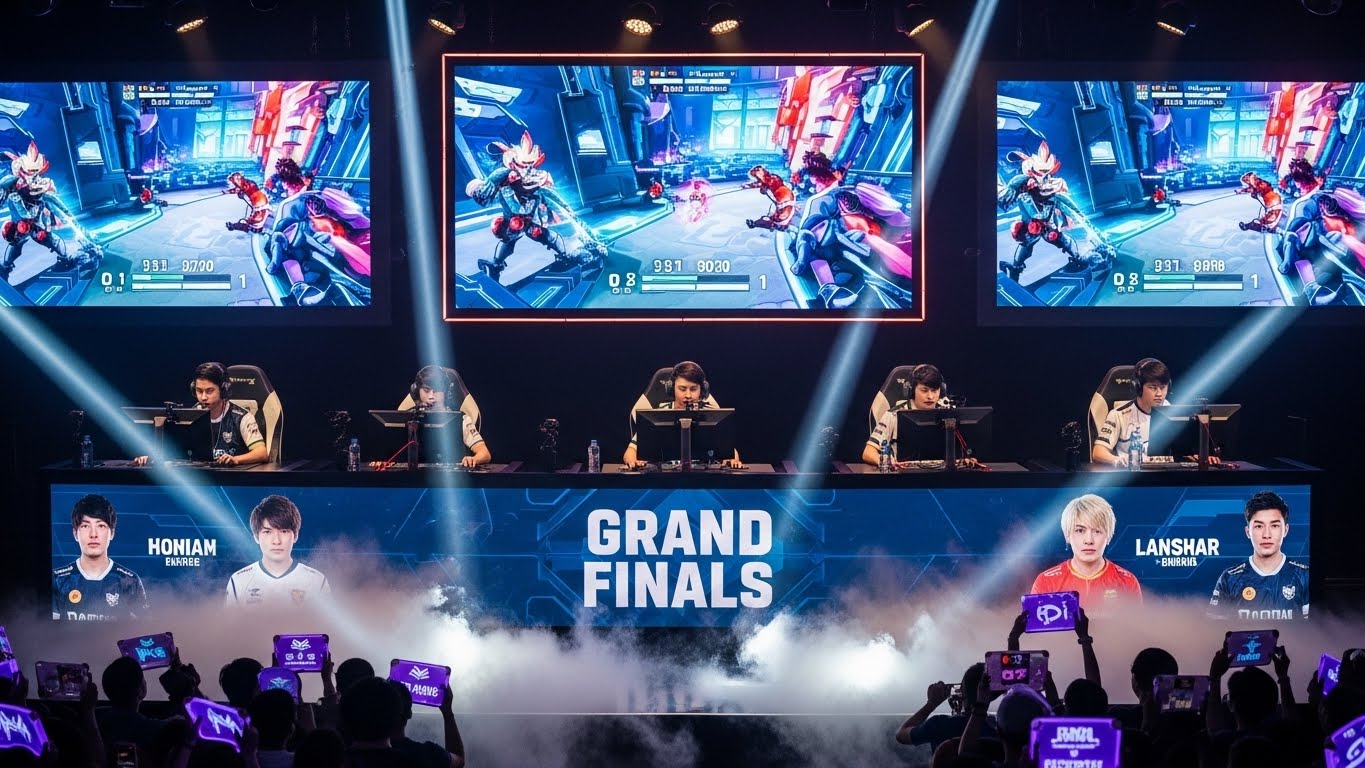
In the last two decades, the world has witnessed a revolution in entertainment and competition—one that doesn’t take place on grass fields or running tracks but in the digital realm. This is the rise of esports, a form of organized, competitive gaming that has become one of the fastest-growing phenomena of the 21st century. What began as small gatherings of passionate gamers in dimly lit rooms has evolved into a multi-billion-dollar industry drawing millions of viewers across the globe. Esports is no longer a subculture; it is mainstream. It is reshaping how we view competition, technology, and even athleticism itself.
The Early Roots of Competitive Gaming
The story of esports begins long before global arenas and million-dollar sponsorships. In the early 1980s, competitive gaming took its first steps through arcade tournaments featuring titles like Space Invaders and Pac-Man. These contests attracted small crowds and were often more about bragging rights than financial reward. However, they marked the birth of an idea—that video games could be more than just solitary pastimes.
As technology evolved, so did the potential for competition. The 1990s saw the emergence of multiplayer PC games like Doom and Quake, which introduced online connectivity and allowed players from around the world to face each other virtually. Local area network (LAN) parties became the heart of early esports, where gamers gathered with bulky computers to compete and share strategies. What was once casual fun began to take on a structured and professional form.
The Boom of the 2000s: Global Connectivity and Online Platforms
With the arrival of broadband internet, esports leapt from local tournaments to global competitions. Games such as Counter-Strike, StarCraft, and Warcraft III set the stage for international rivalries. South Korea, in particular, became the epicenter of esports culture. The country built professional leagues, televised matches, and treated gamers as national celebrities. StarCraft legends like Lim Yo-hwan, known as “BoxeR,” became household names, inspiring young players worldwide.
Meanwhile, Western countries started catching up. The development of online gaming platforms like Steam and Xbox Live allowed gamers to compete effortlessly across continents. By the late 2000s, esports had grown into a recognized and structured ecosystem complete with teams, coaches, and sponsorships.
The Esports Explosion of the 2010s
The 2010s marked the true explosion of esports into the global spotlight. Streaming services and social media transformed how fans consumed gaming content. Platforms such as Twitch enabled players to broadcast their gameplay live to audiences of millions, creating a new kind of celebrity—the streamer. This shift blurred the line between professional competition and entertainment, allowing fans to engage directly with their favorite players.
Titles like League of Legends, Dota 2, and Overwatch became the cornerstones of modern esports. Their developers supported large-scale tournaments, some with prize pools exceeding tens of millions of dollars. The Dota 2 International, for example, became synonymous with record-breaking earnings for players and massive viewership numbers. The competitive ecosystem became as sophisticated as any traditional sport, complete with team organizations, sponsorship deals, merchandise, and fan communities that rivaled those of football or basketball.
The Professional Ecosystem: Teams, Leagues, and Players
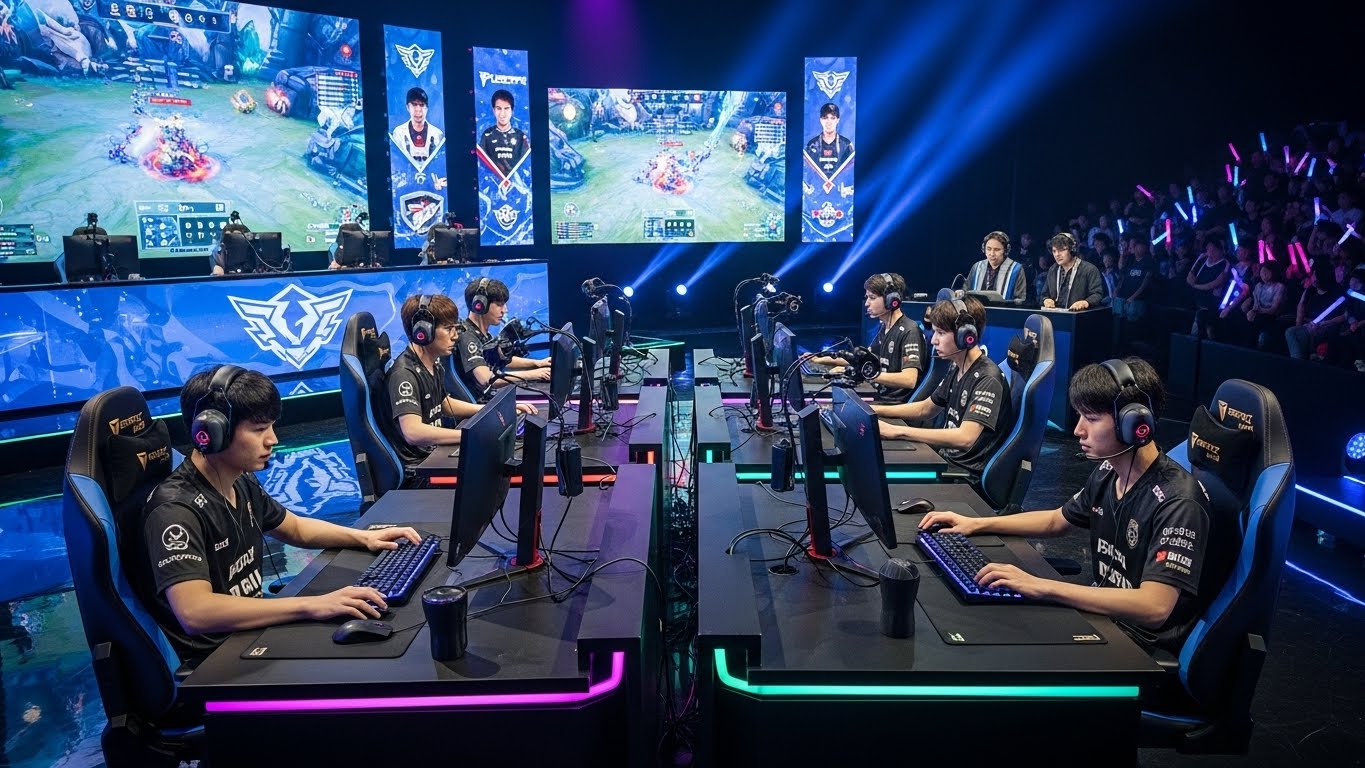
Esports has evolved into an industry with a structure remarkably similar to traditional sports. Players are signed to professional contracts, with organizations providing salaries, housing, and training facilities. Some of the most successful teams, such as Team Liquid, Fnatic, and T1, operate across multiple games and manage extensive fan bases around the world.
Professional gamers maintain rigorous schedules, often practicing for eight to ten hours a day. They train not just their reflexes and strategies but also their teamwork and communication skills. Analysts and coaches study opponents’ playstyles, while psychologists and fitness trainers ensure mental and physical well-being. What might appear to outsiders as “just gaming” is, in reality, a disciplined pursuit that demands focus, endurance, and adaptability.
The Cultural Impact of Esports
Beyond the competitive stage, esports has had a profound influence on global culture. It has created a bridge between technology, entertainment, and youth identity. For many, esports represents a new form of aspiration—proof that digital skills and creativity can lead to professional success. The days when gaming was dismissed as a waste of time are fading. Parents now see their children’s passion for gaming as a potential career path, while schools and universities offer scholarships and degree programs related to esports management, game design, and digital media.
Furthermore, esports has become a platform for diversity and inclusion. While the industry still grapples with gender and accessibility challenges, it provides opportunities for people from different backgrounds to connect and compete on equal footing. The virtual nature of esports breaks down geographical barriers, allowing individuals from every corner of the world to unite under a shared love of gaming.
Esports and the Technology Behind It
None of this growth would be possible without technological innovation. High-speed internet, cloud gaming, virtual reality, and powerful graphics processing have transformed the gaming experience. Streaming technology allows fans to watch matches in real time with minimal delay, while virtual production tools enhance the viewing experience with dynamic overlays, instant replays, and interactive features.
Artificial intelligence and data analytics are now being used to analyze player performance, predict outcomes, and improve strategic decision-making. The integration of blockchain technology has introduced new economic models, allowing fans to invest in teams and tournaments through digital tokens. The synergy between technology and competition continues to push esports toward new frontiers.
Esports in Education and Career Development
The growing legitimacy of esports has extended into the educational sector. Many universities now have varsity esports teams, dedicated arenas, and academic programs focused on the business of gaming. Students can pursue careers in event management, marketing, broadcasting, and software development, all tied to the esports ecosystem.
Moreover, esports cultivates valuable skills that extend beyond gaming. Players develop strategic thinking, teamwork, communication, and leadership abilities. These qualities are increasingly recognized by employers in industries far outside of gaming. Esports is not just creating players—it’s nurturing innovators and professionals for the digital age.
The Economics of Esports: A Billion-Dollar Industry
Today, esports generates billions in revenue from sponsorships, media rights, merchandise, and ticket sales. Brands ranging from technology giants to soft drink companies invest heavily in esports to reach younger, digitally native audiences. Major tournaments sell out arenas, and their online broadcasts draw more viewers than many traditional sporting events.
The industry’s financial success also creates opportunities for entrepreneurs, developers, and investors. Independent organizers run regional tournaments, production companies handle live broadcasts, and marketing agencies build campaigns around player personalities. The esports economy thrives on creativity, community, and connection.
Challenges Facing the Esports Industry
Despite its rapid growth, esports faces several challenges that could shape its future. The lack of centralized regulation across different games makes governance complex. Issues like player burnout, cheating, and match-fixing have raised concerns about sustainability and integrity. Additionally, the industry’s dependence on specific game publishers means that entire ecosystems can vanish if a game loses popularity or developer support.
Another pressing issue is the mental health of professional players. The high pressure of competition, public scrutiny, and long practice hours can lead to anxiety, depression, and early retirement. To address this, organizations are investing in player welfare programs, mental health awareness, and more balanced career structures.
The Global Stage: Esports and International Recognition
The idea of esports entering global sporting events is no longer far-fetched. Several countries now recognize esports as an official sport, and it has already featured as a medal event in the Asian Games. The possibility of seeing esports in the Olympic Games sparks debate, but it also highlights its growing acceptance. Governments are also supporting esports infrastructure by investing in training centers and national leagues, recognizing its potential as both an economic driver and a cultural export.
The Future of Esports: Where Do We Go Next?
The future of esports looks bright, with continuous innovation driving its evolution. The integration of augmented and virtual reality could make competitions even more immersive. Mobile gaming is also emerging as a dominant force, especially in regions like Southeast Asia, where smartphones are more accessible than gaming PCs.
Esports is also likely to blend more deeply with mainstream entertainment. Crossovers with music, film, and fashion are already happening, turning gaming events into full-fledged cultural festivals. As technology continues to blur boundaries between the physical and digital worlds, esports may well become the defining sport of the 21st century.
Conclusion: Beyond the Screen
Esports is not just about pressing buttons or controlling digital avatars—it’s about passion, strategy, teamwork, and human connection. It represents the evolution of how we define sports, community, and achievement in an increasingly digital society. From small gaming rooms to packed arenas and global broadcasts, esports tells a story of creativity and competition unlike any other.
As the digital arena continues to expand, it carries with it a message for the modern world: that skill, dedication, and innovation know no boundaries, whether on the field, the court, or the screen. Esports is not just the future of competition—it is the embodiment of a generation that thrives on technology, imagination, and limitless possibility.