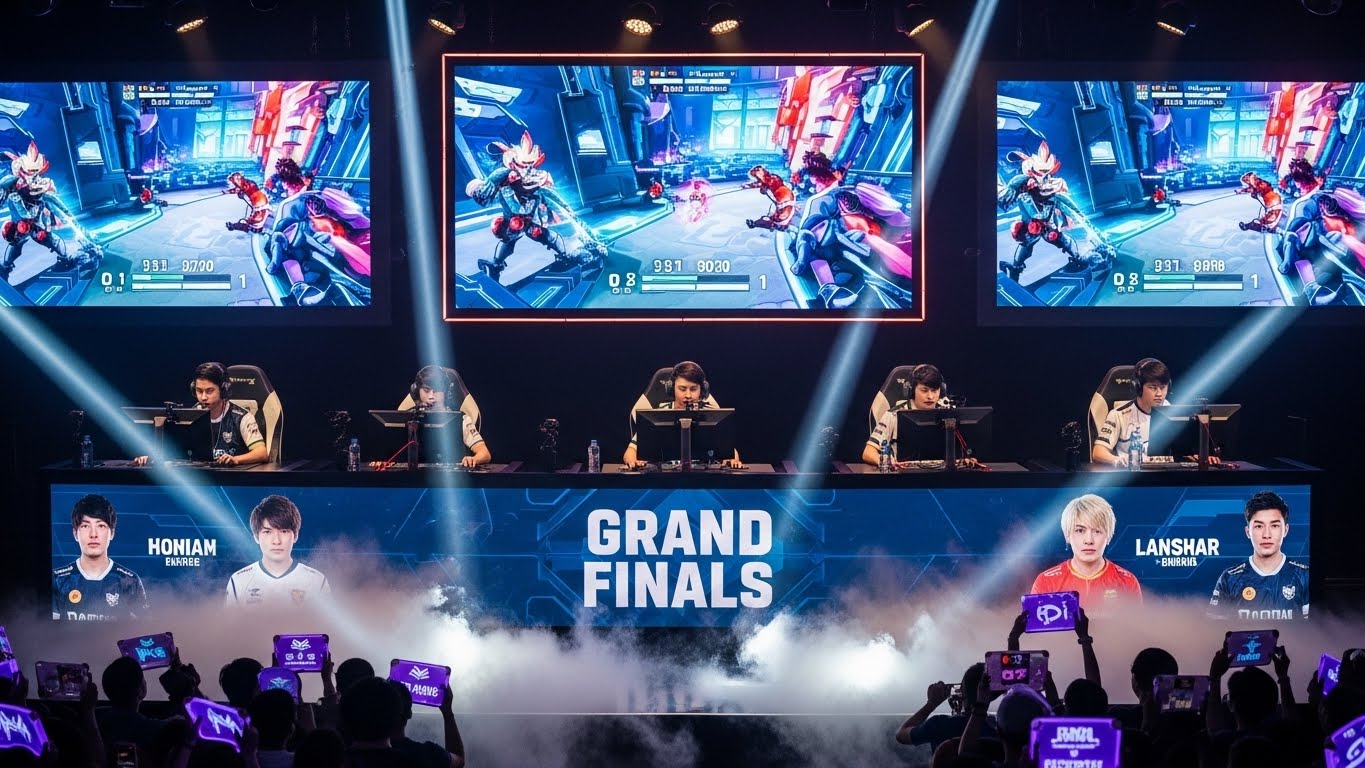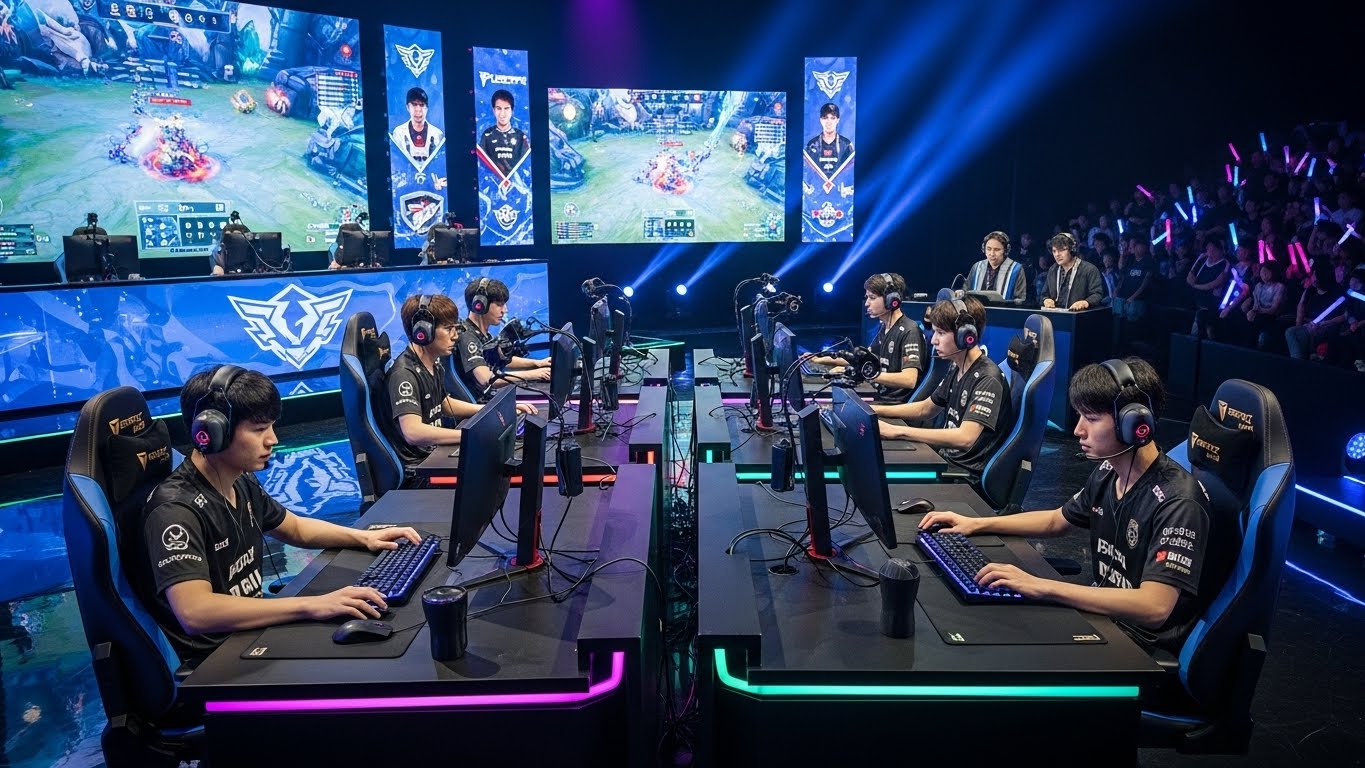
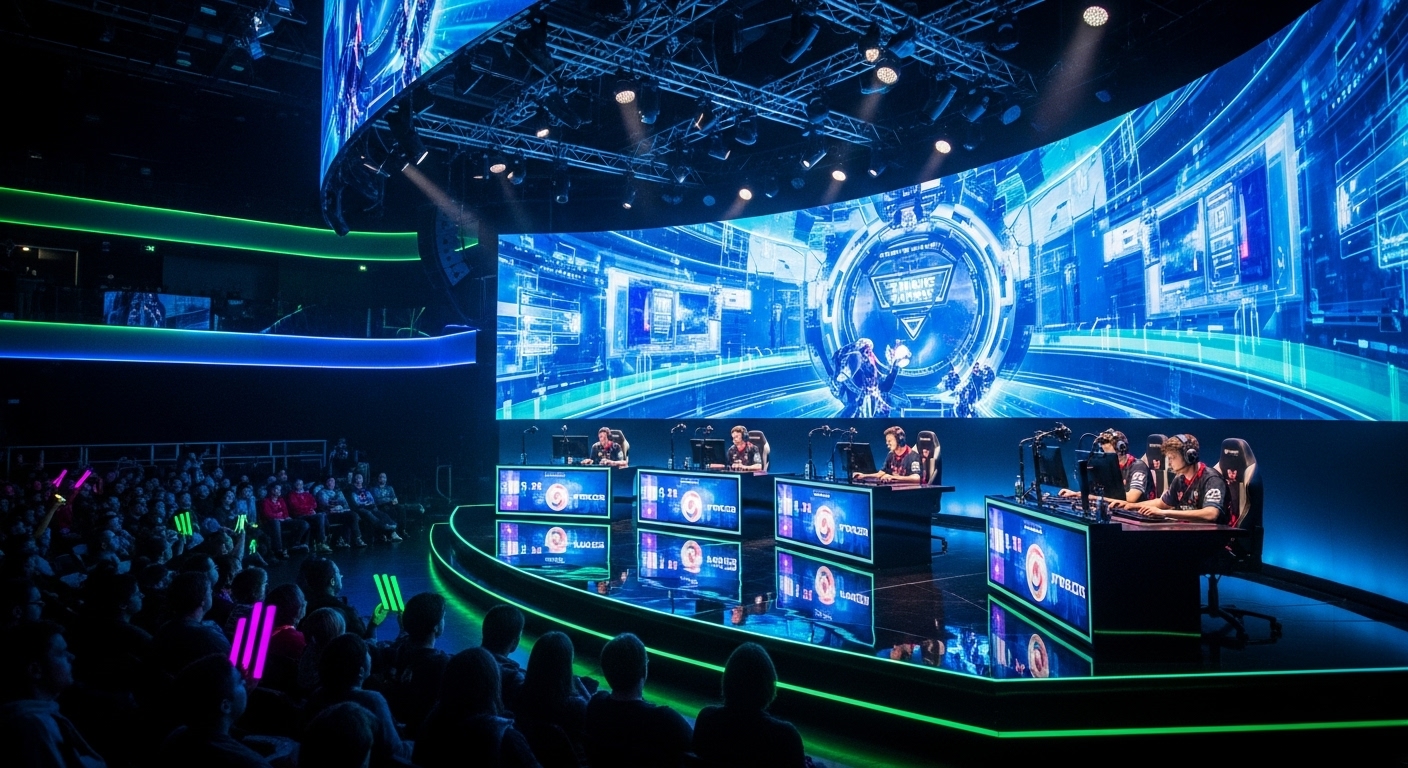
Esports has emerged as one of the most influential phenomena in modern entertainment, transforming video games from a leisure activity into a global competitive sport. Over the last two decades, esports has evolved into a multi-billion-dollar industry, attracting millions of players, fans, and investors worldwide. It is not only a source of entertainment but also a platform that drives innovation, fosters community, and creates professional opportunities. This blog explores the evolution of esports, its societal impact, and the future prospects of this rapidly growing industry.
Understanding Esports
Esports, short for electronic sports, refers to organized, competitive gaming where professional players or teams compete in video games at local, national, or international levels. Unlike casual gaming, esports involves structured competitions, sponsorships, and large-scale audiences. Popular games in the esports ecosystem include League of Legends, Dota 2, Counter-Strike: Global Offensive, Fortnite, and Call of Duty, among others.
The appeal of esports lies in its combination of strategy, skill, teamwork, and entertainment. Matches are often streamed online, attracting millions of viewers who follow players, teams, and tournaments with the same passion traditionally reserved for sports like football or basketball. Esports has created an entirely new domain of competitive entertainment, blending digital culture with professional sports.
The Evolution of Esports
The roots of esports can be traced back to the 1980s with arcade competitions and early multiplayer games such as Pac-Man and Street Fighter. However, the rise of the internet in the late 1990s and early 2000s marked a pivotal turning point. Online connectivity allowed players to compete across regions, fostering the growth of competitive gaming communities.
By the mid-2000s, esports had begun to take a professional shape, with tournaments offering prize money and sponsorships. South Korea emerged as a hub for professional esports, particularly with games like StarCraft: Brood War. The country’s infrastructure for competitive gaming, coupled with media coverage and dedicated gaming centers, demonstrated that esports could rival traditional sports in popularity and influence.
In the 2010s, streaming platforms such as Twitch and YouTube Gaming enabled global audiences to watch live esports events in real time. This accessibility transformed esports into a mainstream entertainment phenomenon, paving the way for international tournaments, celebrity players, and sponsorship deals from major brands. Today, esports is recognized as a legitimate sport, with leagues, championships, and dedicated fan bases worldwide.
The Popularity of Esports
Esports has grown into a global cultural phenomenon, attracting millions of fans and participants. Unlike traditional sports, esports appeals to a diverse audience across age groups, gender, and geography. Its accessibility through computers, consoles, and mobile devices allows anyone with an internet connection to watch, play, or compete.
Major tournaments such as The International (Dota 2), League of Legends World Championship, and Fortnite World Cup attract millions of viewers online, with prize pools reaching tens of millions of dollars. The combination of high stakes, strategic gameplay, and entertainment value has contributed to esports’ explosive popularity. Additionally, the interactive nature of esports, where fans can watch, comment, and even participate in live streams, has created a strong sense of community and engagement.
Esports as a Career
Professional esports players have transformed competitive gaming into a viable career. Top-tier players earn substantial incomes through tournament winnings, sponsorships, brand deals, and streaming revenue. Teams operate like professional sports organizations, employing coaches, analysts, and marketing staff to maximize performance and visibility.
Beyond playing, careers in esports include event management, content creation, broadcasting, and game development. The industry also offers opportunities in marketing, data analytics, and talent management, making esports a multi-dimensional career ecosystem. For aspiring players and professionals, esports is no longer just a hobby—it is a legitimate pathway to personal and financial success.
Cognitive and Social Benefits of Esports
Esports is not only entertaining but also intellectually and socially stimulating. Competitive gaming enhances strategic thinking, problem-solving, multitasking, and decision-making skills. Players must analyze complex situations, anticipate opponents’ moves, and adapt quickly, which translates to cognitive development and mental agility.
Esports also fosters teamwork and communication. Multiplayer games require players to coordinate, share information, and execute strategies collectively. These skills are transferable to professional and personal life, demonstrating that esports offers more than just recreation—it promotes collaboration, leadership, and resilience.
Esports and Technology
The growth of esports is closely linked to advancements in technology. High-performance computers, gaming consoles, fast internet connectivity, and sophisticated streaming platforms have enabled competitive gaming to flourish. Virtual arenas, real-time analytics, and augmented reality experiences have further enhanced the spectacle of esports, making it immersive for both players and audiences.
Artificial intelligence and data analytics also play a significant role in esports, allowing teams to study opponents, improve strategies, and optimize performance. These technological innovations highlight how esports is at the intersection of gaming, sports, and technology, creating a dynamic and evolving industry.
The Cultural Impact of Esports
Esports has significantly influenced modern culture. It has created a global community where fans, players, and creators interact, share content, and celebrate digital achievements. Gaming conventions, tournaments, and streaming events have become cultural gatherings that reflect the creativity, diversity, and passion of the esports ecosystem.
Esports has also impacted entertainment, fashion, and media. Players have become celebrities, inspiring fan art, merchandise, and social media followings. Music, cinematic presentations, and narrative-driven games in esports competitions have elevated the production value, making events a blend of sport, art, and entertainment.
Challenges Facing Esports
Despite its rapid growth, esports faces challenges. Issues such as gaming addiction, mental health concerns, and work-life balance for professional players are significant. The competitive nature of esports can lead to stress, burnout, and pressure to perform at high levels consistently.
Inclusivity is another challenge. While esports is more accessible than traditional sports, gender disparities, representation, and online harassment remain ongoing issues. Addressing these challenges is essential to ensure sustainable growth and equitable opportunities within the esports ecosystem.
The Future of Esports
The future of esports is promising, with technological advancements and growing audiences driving continued expansion. Virtual reality, augmented reality, and cloud gaming will redefine the player and spectator experience, making competitions more immersive and interactive.
Esports may also become more integrated with mainstream sports and education. Universities and schools are increasingly recognizing esports as a legitimate extracurricular activity, offering scholarships, training programs, and competitions. This integration reflects esports’ growing legitimacy and influence.
As audiences expand globally, esports will continue to shape culture, technology, and entertainment. Collaborative initiatives, professional leagues, and media partnerships will further solidify esports as a dominant force in modern entertainment.
Conclusion: Esports as a Transformative Force
Esports is more than just competitive gaming—it is a transformative medium that blends entertainment, technology, culture, and professional opportunity. From its humble beginnings in arcades to the global tournaments of today, esports has demonstrated the power of digital competition to captivate audiences, foster skills, and create careers.
With its cognitive, social, and cultural impact, esports is shaping how we play, watch, and connect. It challenges traditional perceptions of sports, entertainment, and career paths while providing a platform for creativity, innovation, and global engagement. As the industry continues to evolve, esports is poised to redefine what competitive entertainment means in the 21st century.