Introduction: The Rise of a Digital Arena
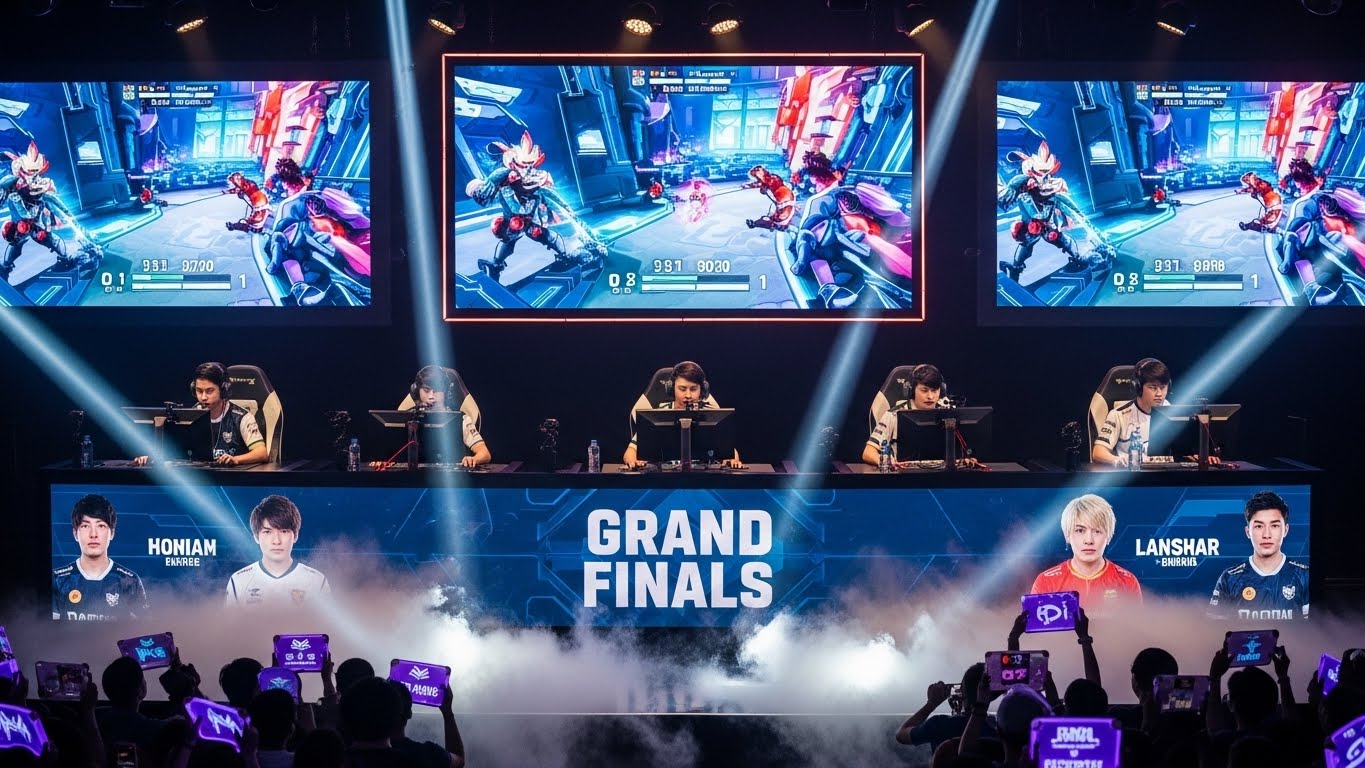
In the last two decades, a new form of competition has emerged, one that does not rely on traditional fields, courts, or tracks. Esports, or competitive video gaming, has grown from niche gatherings in internet cafes to stadium-filling tournaments watched by millions worldwide. It is no longer a subculture; it is a global phenomenon influencing technology, media, and even education. Esports represents a fusion of gaming, entertainment, and professional sports, creating a unique arena where skill, strategy, and mental agility define success. This blog explores how esports has evolved, its impact on players and society, and what the future holds for this rapidly growing industry.
Understanding Esports: More Than Just Gaming
Esports is competitive gaming at its highest level. Players participate in structured tournaments, either individually or in teams, across a wide variety of game genres. These include real-time strategy, first-person shooters, multiplayer online battle arenas, and sports simulations. Each game requires specialized skills, from lightning-fast reflexes and precise hand-eye coordination to strategic thinking and teamwork.
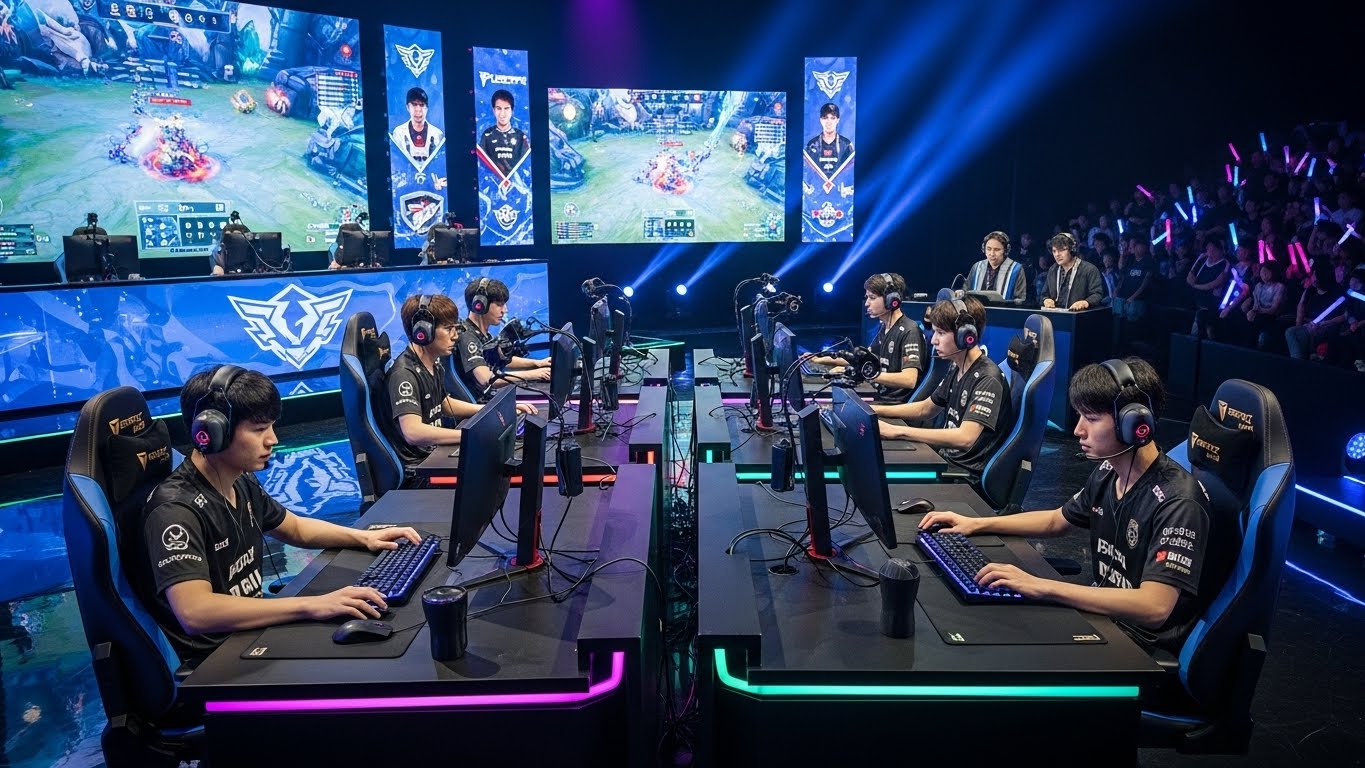
Unlike casual gaming, esports demands a level of dedication comparable to traditional sports. Professional players train for hours each day, analyzing gameplay, developing strategies, and maintaining peak physical and mental condition. This commitment has helped esports gain recognition as a legitimate sport in many countries, with dedicated leagues, sponsorships, and even collegiate programs.
The Global Esports Ecosystem
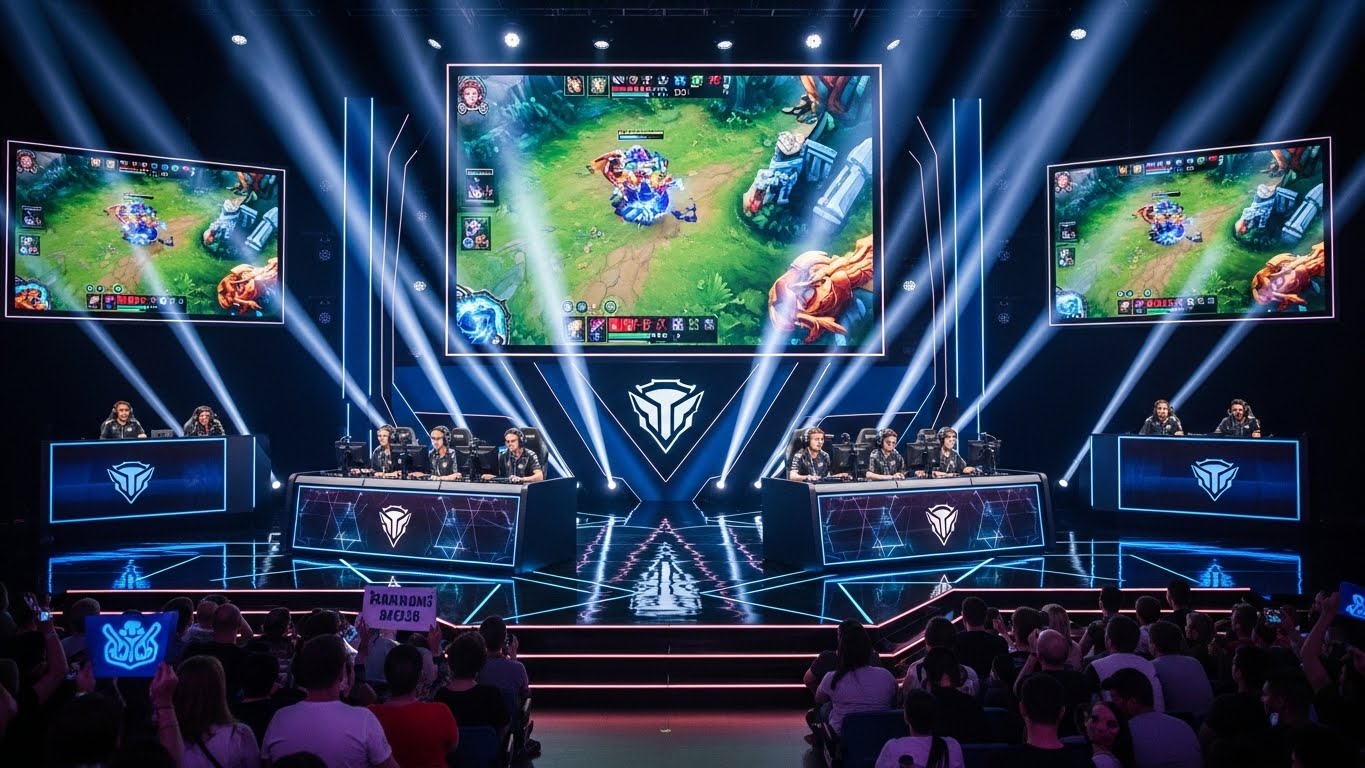
Esports is not confined to players alone. The ecosystem includes tournament organizers, broadcasters, analysts, coaches, and content creators, all contributing to a vast network of economic and social activity. Major tournaments now attract millions of viewers online and in-person, generating significant revenue from ticket sales, advertising, and merchandising.
Asia, Europe, and North America dominate the esports scene, but emerging markets in South America, Africa, and the Middle East are rapidly joining the fray. This global expansion has created opportunities for players, developers, and entrepreneurs, establishing esports as a truly international industry.
Professional Esports Careers
The idea of earning a living from video games was once considered unrealistic, but professional esports careers have become a viable path. Top players receive salaries, prize money, and sponsorship deals, while coaches and analysts play vital roles in improving team performance.
Beyond the competitive arena, content creation and streaming offer additional career opportunities. Platforms dedicated to gaming allow players to build fanbases, earn income through subscriptions, and establish personal brands. These diverse career paths demonstrate that esports is more than just playing games—it is a multi-faceted industry with professional potential for those willing to dedicate themselves.
The Role of Technology in Esports
Technology is the backbone of esports. High-speed internet, advanced gaming hardware, and sophisticated software platforms make competitive gaming possible. Innovations in graphics, latency reduction, and AI-driven analytics have transformed how players train and compete.
Streaming technology has revolutionized audience engagement, allowing fans worldwide to watch live matches and interact with players in real-time. Virtual reality and augmented reality are also being explored, promising immersive experiences that could redefine how esports events are conducted. This seamless integration of technology and competition is what sets esports apart from traditional sports.
Esports and Mental Agility
Unlike physical sports, esports places a premium on mental agility. Players must make split-second decisions, adapt strategies on the fly, and maintain focus under intense pressure. These cognitive demands improve critical thinking, problem-solving, and multitasking skills.
Professional players often follow strict routines, including mental exercises, strategy sessions, and even meditation to enhance concentration. The mental resilience developed through esports is comparable to the psychological conditioning seen in traditional athletes, underscoring the seriousness and intensity of competitive gaming.
The Social Impact of Esports
Esports has created communities where people with shared interests can connect, collaborate, and compete. Online platforms allow players to form friendships, learn from one another, and participate in global tournaments regardless of geographic location.
These communities also provide a sense of belonging, especially for younger generations who may feel disconnected from traditional social structures. Esports fosters inclusivity, offering spaces where skill and dedication matter more than age, gender, or physical ability. This social dimension highlights esports as a cultural phenomenon, not merely a recreational activity.
Esports in Education
Many educational institutions have begun recognizing the potential of esports as an academic and extracurricular activity. Colleges and universities offer scholarships for esports players, providing pathways to professional careers. High schools are also developing esports programs to teach teamwork, strategic thinking, and digital literacy.
Integrating esports into education goes beyond gaming; it teaches valuable skills like communication, leadership, and critical analysis. Students involved in esports often develop resilience, discipline, and problem-solving abilities that are transferable to many aspects of life, preparing them for future challenges.
Health and Wellness in Esports
While esports emphasizes mental skills, physical health remains crucial. Professional players face challenges like repetitive strain injuries, eye strain, and sedentary lifestyle issues. As a result, training regimens often include physical exercise, ergonomic setups, and nutrition plans to maintain peak performance.
Psychological wellness is equally important. High-pressure tournaments can induce stress and anxiety, so mental health support is increasingly integrated into esports programs. This holistic approach underscores that esports demands both mental and physical preparation, much like traditional sports.
The Business of Esports
The financial landscape of esports has expanded dramatically. Sponsorship deals, advertising revenue, merchandise sales, and media rights create billions in annual revenue. Game developers, event organizers, and streaming platforms are key stakeholders in this ecosystem, driving innovation and audience engagement.
Brands outside the gaming industry are also investing in esports, recognizing the value of reaching younger, digitally native audiences. This intersection of entertainment, marketing, and technology has created a sustainable business model that supports players, teams, and the industry as a whole.
Challenges Facing the Esports Industry
Despite its growth, esports faces significant challenges. Competitive integrity, including issues like cheating and match-fixing, is a persistent concern. The rapid pace of game releases and updates can create instability for professional players and teams.
Additionally, the industry must address issues related to player burnout, mental health, and fair compensation. Ensuring inclusivity and preventing toxicity in online communities are ongoing efforts. By tackling these challenges proactively, esports can continue to grow responsibly and sustainably.
Esports as a Cultural Phenomenon
Esports has influenced culture in ways beyond competition. It has shaped fashion, music, and entertainment, with tournaments featuring celebrity appearances, musical performances, and elaborate live productions. Esports fandom is expressed through streaming platforms, social media, and cosplay, creating a dynamic subculture that resonates globally.
The rise of esports personalities as influencers further blurs the line between gaming and mainstream entertainment. These cultural integrations demonstrate that esports is not merely a sport but a significant cultural movement with far-reaching impact.
The Future of Esports
The future of esports is poised for continued growth and innovation. Advancements in virtual reality, artificial intelligence, and immersive media could redefine gameplay and fan experiences. Expansion into new markets will increase accessibility, while the integration of esports into education and professional sports organizations will legitimize it further.
As technology and culture evolve, esports will continue to challenge traditional notions of competition, entertainment, and community. Its trajectory suggests that esports will not only coexist with traditional sports but may redefine how future generations perceive athleticism and achievement.
Conclusion: More Than a Game
Esports has transformed from a niche hobby into a global phenomenon that blends skill, strategy, culture, and technology. It challenges traditional definitions of sports, creating opportunities for professional careers, education, and social connection.
Through mental agility, teamwork, and innovation, esports players push the boundaries of human potential in the digital realm. The industry’s economic, cultural, and social impact continues to grow, making esports one of the most exciting arenas of the modern era. Far beyond being just a game, esports is a movement that is shaping the way we compete, connect, and experience the thrill of victory in a digital world.