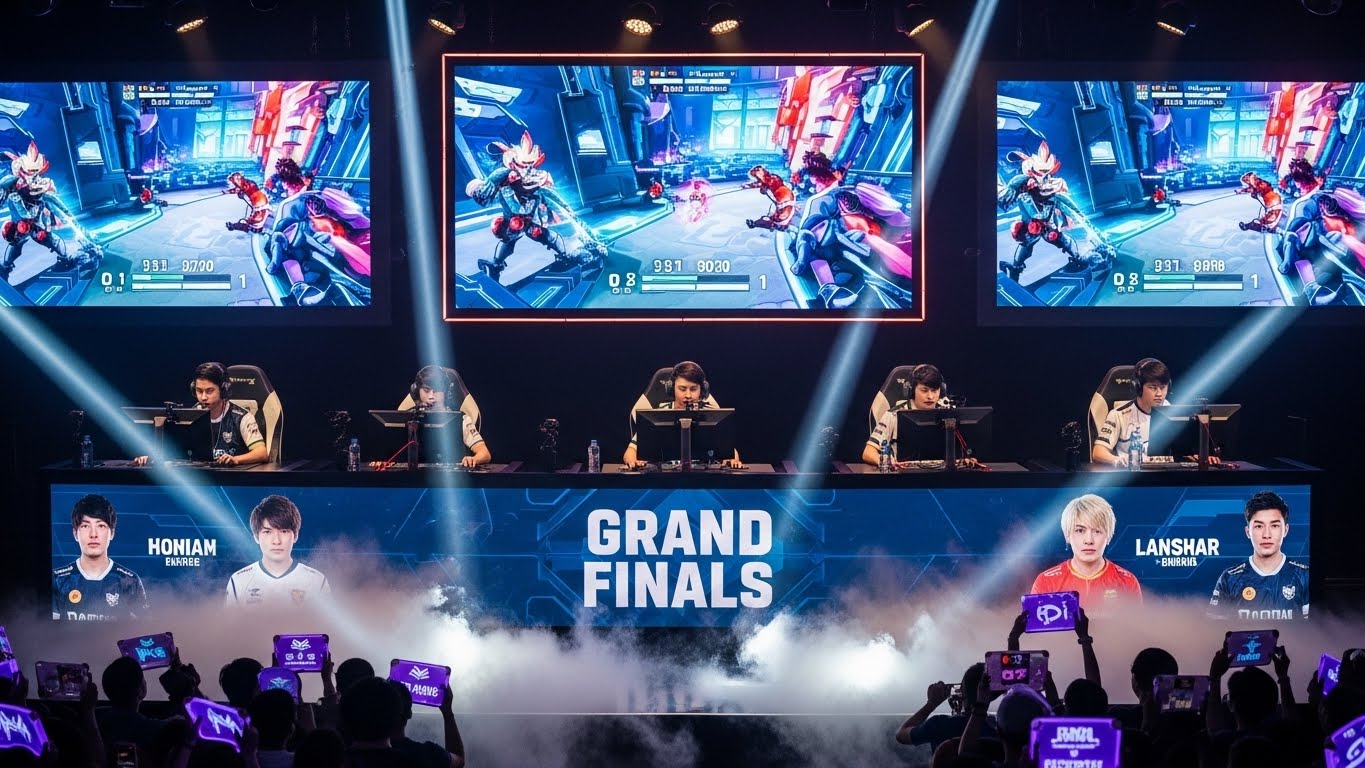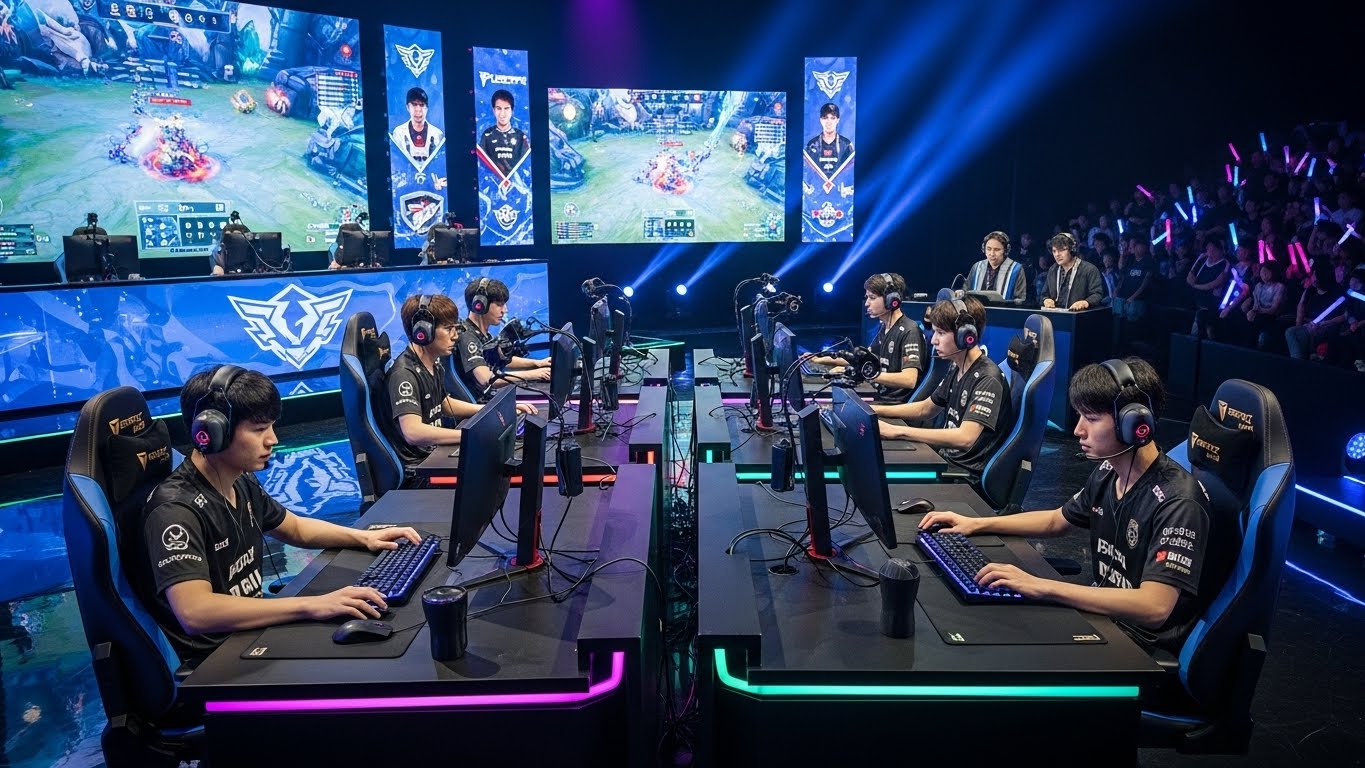
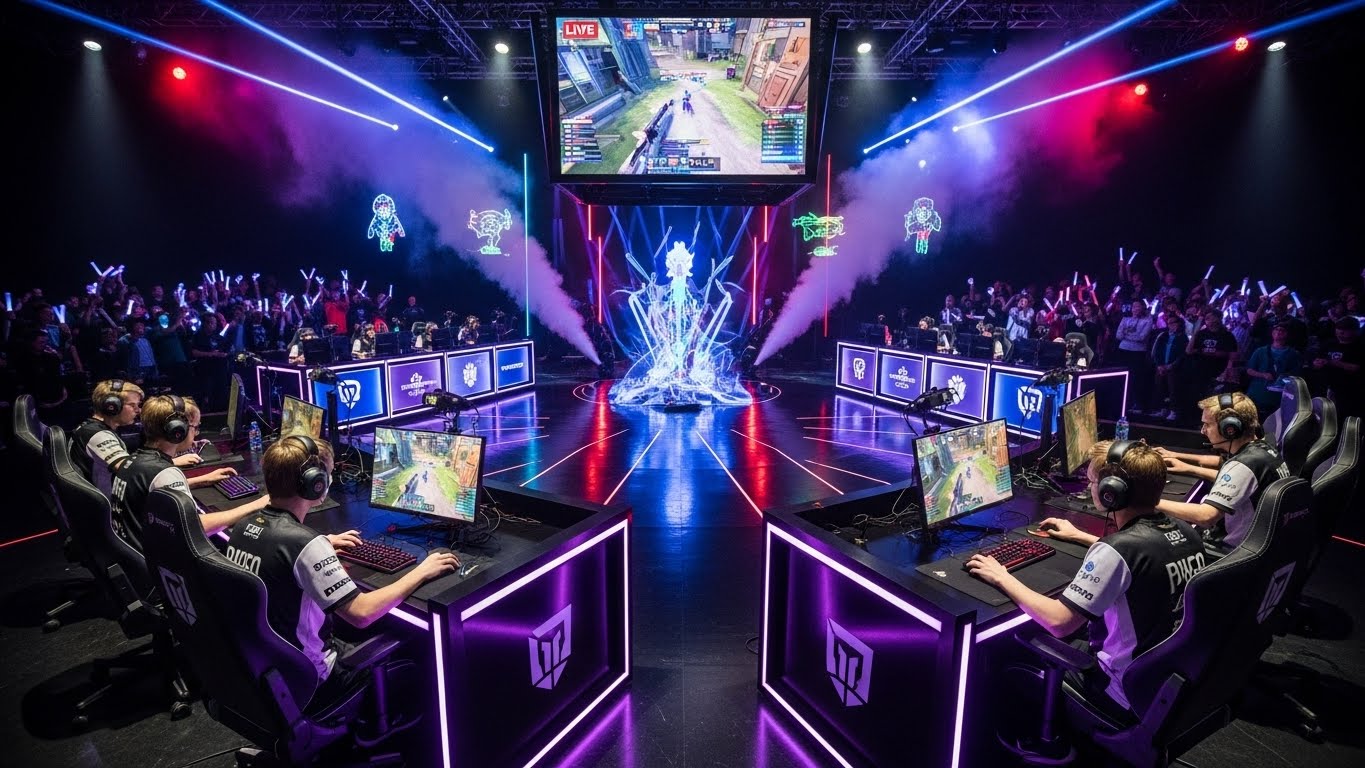
Esports, once a niche hobby confined to a small group of enthusiasts, has exploded into a global phenomenon. With professional tournaments, massive prize pools, and dedicated fanbases, competitive gaming has cemented itself as a legitimate form of entertainment and sport. This evolution of gaming has transformed how people interact with technology, competition, and culture. In this blog post, we will explore the history, growth, and impact of esports, as well as the opportunities and challenges it presents in today’s society.
The Origins of Esports
The origins of esports date back several decades, though competitive gaming in some form has existed since the early days of video games. In the 1970s, arcade competitions were common, with titles like Space Invaders and Pac-Man attracting players eager to prove their skill. The first recognizable esports event occurred in 1980 when the “Space Invaders Championship” drew thousands of participants across the United States.
The 1990s saw a major evolution in competitive gaming with the rise of PC games such as StarCraft, Quake, and Counter-Strike. Internet connectivity enabled players to compete online, breaking the limitations of physical arcades and local tournaments. These games laid the foundation for modern esports, cultivating communities, rivalries, and competitive strategies that continue today.
The Explosion of Modern Esports
The 2000s marked the professionalization of esports. Major tournaments with structured leagues and significant prize money became commonplace. Games like League of Legends, Dota 2, and Overwatch attracted millions of viewers, and players could pursue careers as professional gamers.
Streaming platforms played a critical role in the rise of esports. Services like Twitch and YouTube Gaming allowed audiences to watch competitions live, interact with players, and even learn strategies. The accessibility of these platforms meant that esports was no longer limited to those physically attending events; it became a global spectacle.
Today, the esports industry is valued at billions of dollars and continues to grow rapidly. Countries such as South Korea and China have been pioneers in nurturing esports talent, with professional players becoming celebrities and tournaments filling massive arenas. The global appeal is undeniable, making esports a mainstream cultural force.
Understanding Esports Culture
Esports is more than just a competition; it represents a unique culture that blends gaming, technology, and entertainment. Unlike traditional sports, esports culture thrives online, where players and fans communicate through forums, social media, and live streams. Memes, fan art, and content creation are integral components, often blurring the lines between players and audiences.
The inclusivity of esports is also notable. While traditional sports may have physical limitations, esports allows participants of varying ages, genders, and physical abilities to compete on equal footing. This has led to a diverse community where skill, strategy, and teamwork are the primary determinants of success.
Esports fandom is highly interactive. Fans can follow their favorite players, participate in online discussions, and even influence the outcomes of tournaments through voting or sponsorships. This level of engagement creates a sense of belonging, turning esports into a cultural movement rather than just a pastime.
The Professional Esports Ecosystem
Professional esports is structured similarly to traditional sports. Players often join teams, sign contracts, and receive salaries, sponsorships, and training. Organizations invest heavily in coaching, nutrition, and mental health, understanding that high performance requires holistic support.
Tournaments are organized at local, national, and international levels, with prize pools ranging from thousands to millions of dollars. Events like the League of Legends World Championship or The International for Dota 2 are watched by tens of millions of fans globally. Sponsors from industries such as technology, energy drinks, and apparel heavily invest in these tournaments, further legitimizing esports as a viable business.
Colleges and universities have also begun recognizing esports as a formal sport. Scholarships, varsity teams, and competitive leagues provide opportunities for young players to pursue higher education while developing their gaming careers. This integration into academia signals a new level of societal acceptance and investment in esports talent.
The Impact of Technology on Esports
Technology is the backbone of esports. High-speed internet, powerful gaming rigs, and sophisticated software have transformed the gaming experience. Advanced analytics allow players to study opponents, optimize strategies, and enhance performance. Virtual reality and augmented reality are also beginning to make inroads, offering immersive experiences that could redefine competitive gaming in the coming years.
Streaming technology has democratized esports, allowing anyone with an internet connection to watch live events. This accessibility has created global communities where fans can interact, share tips, and celebrate victories together. Social media amplifies the reach of esports, turning viral moments into cultural phenomena and making players household names.
Economic Opportunities in Esports
The economic potential of esports extends beyond player salaries and tournament winnings. Merchandising, sponsorships, advertising, and media rights generate substantial revenue. Gaming hardware companies, energy drink brands, and apparel lines all benefit from the esports ecosystem.
Job opportunities in esports are diverse. Beyond playing professionally, careers include coaching, broadcasting, marketing, event management, and software development. The growth of esports has also inspired entrepreneurship, with startups creating tools for player analytics, streaming, and tournament organization.
The industry’s expansion has attracted traditional investors and media companies, further solidifying its financial stability. As esports continues to grow, its economic footprint is expected to rival that of established sports leagues.
Challenges Facing the Esports Industry
Despite its rapid growth, esports faces several challenges. One of the most pressing issues is player burnout. Competitive gaming requires intense focus and long hours of practice, which can lead to physical and mental health concerns. Organizations are increasingly aware of this and are implementing measures such as mental health support and regulated practice schedules.
Another challenge is regulation. Unlike traditional sports, esports is still defining standards for player contracts, tournament governance, and cheating prevention. Ensuring fair play and protecting intellectual property rights remain ongoing concerns.
Finally, societal perception is still catching up. While esports is widely accepted among younger generations, some skeptics view it as “just video games” rather than a legitimate sport. Changing this perception requires continued professionalization, education, and exposure to mainstream audiences.
The Future of Esports
The future of esports is incredibly promising. Emerging technologies like virtual reality, artificial intelligence, and cloud gaming will redefine the way competitions are conducted and experienced. Mobile esports is gaining traction, especially in regions with limited access to high-end gaming PCs, expanding the industry’s reach.
Esports is likely to become even more integrated with traditional sports and entertainment. Crossovers with music, movies, and pop culture are already evident, with esports events featuring live performances, celebrity appearances, and interactive fan experiences.
As the industry matures, we can also expect greater investment in player development, infrastructure, and education. With professional pathways becoming more structured, aspiring players have a clear route to turn their passion into a career.
Conclusion
Esports has evolved from humble arcade competitions to a global cultural phenomenon. It is a world where technology, strategy, and community converge to create experiences that rival traditional sports. From its origins to its current professional ecosystem, esports has demonstrated remarkable growth and potential.
Despite challenges such as player burnout and regulatory issues, the industry continues to expand, fueled by innovation, economic opportunity, and a passionate global fanbase. The future of esports promises even more immersive experiences, broader accessibility, and deeper cultural impact. For anyone interested in competition, technology, or entertainment, esports is a frontier worth exploring.
As society continues to embrace digital innovation, esports is not just a game—it is a reflection of how people connect, compete, and create in the modern world. The screen may separate players physically, but esports brings them together in ways that were unimaginable just a few decades ago.