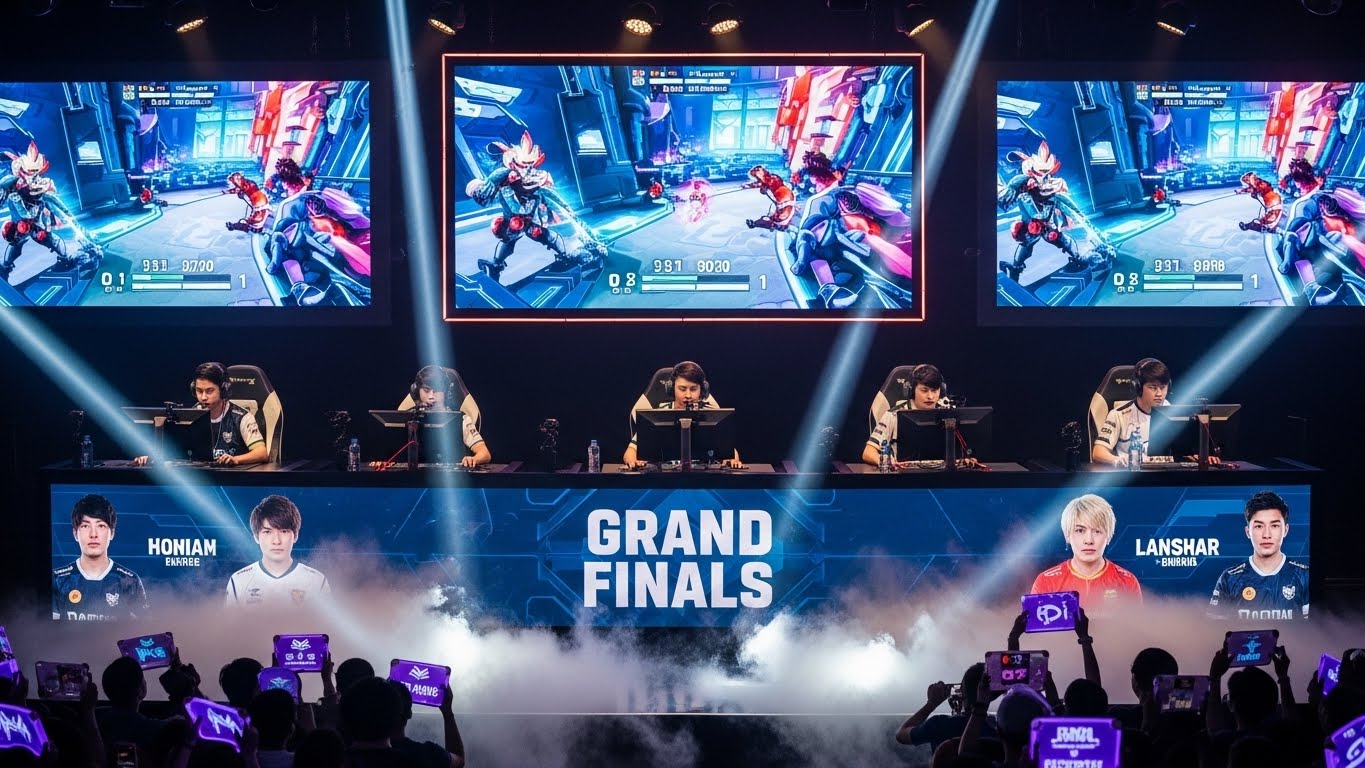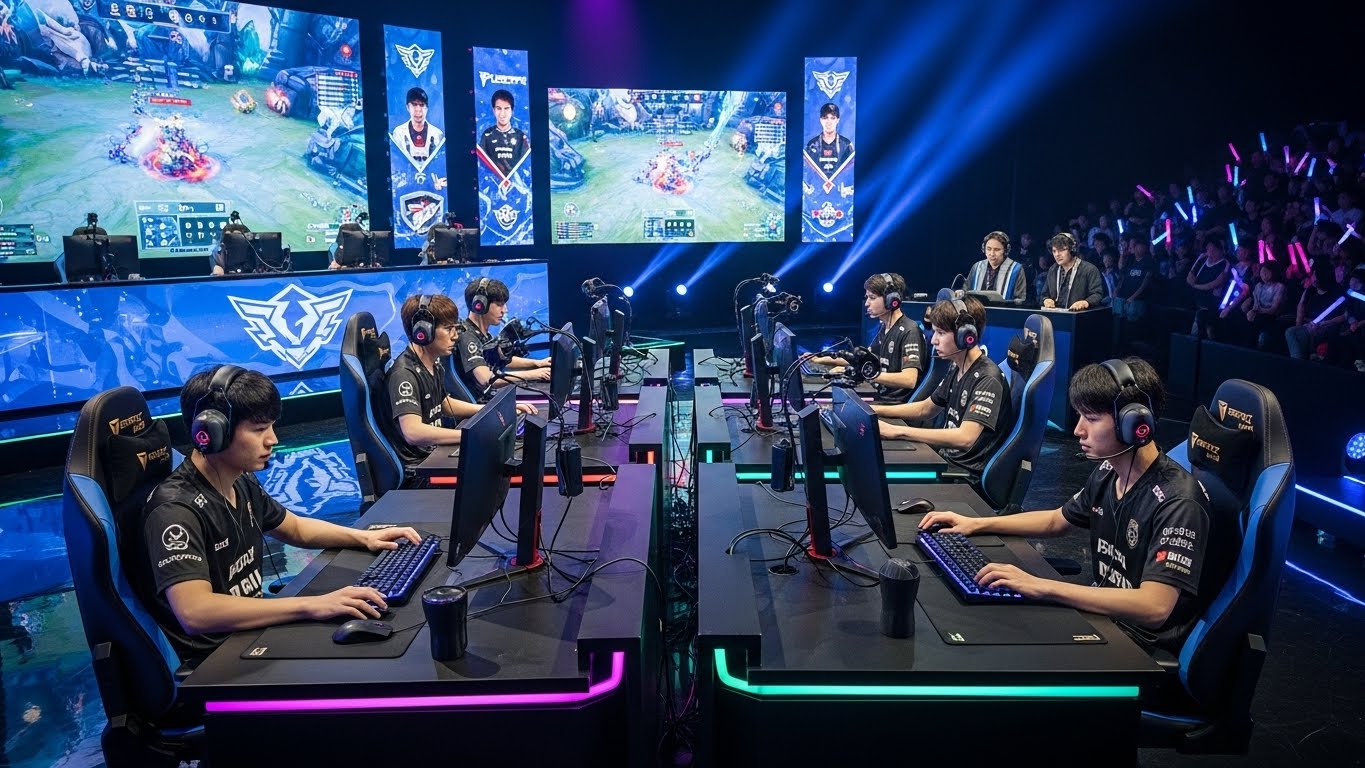

Esports, once considered a niche hobby, has evolved into a global phenomenon. Competitive gaming now captivates millions of players and spectators, shaping entertainment, technology, and even education. From small tournaments in internet cafes to stadium-filling championships, esports is no longer just a pastime—it is a cultural, social, and economic powerhouse. This blog explores the rise of esports, its influence on society, and the multifaceted benefits and challenges associated with competitive gaming.
The Evolution of Esports: From Pixels to Packed Arenas
The origins of esports can be traced back to the early days of video gaming in the 1970s and 1980s. Simple arcade games like Space Invaders and Pac-Man attracted competitive players, though formal tournaments were rare. The 1990s introduced multiplayer gaming through local networks and early online platforms, allowing players to compete beyond their immediate surroundings. Titles like Quake and StarCraft became pioneers in organized esports competitions, laying the foundation for the professional scene.
The 2000s and 2010s saw an exponential growth in esports popularity. Streaming platforms such as Twitch and YouTube Gaming allowed fans to watch live competitions in real time, creating an entirely new form of spectator sport. Today, esports events fill arenas, draw millions of online viewers, and generate revenues that rival traditional sports. The rise of esports illustrates how technology and community engagement can transform entertainment industries.
Popular Esports Genres and Games
Esports encompasses a wide range of gaming genres, each with unique appeal and competitive strategies. Multiplayer Online Battle Arenas (MOBAs) like League of Legends and Dota 2 require teamwork, strategy, and quick decision-making. First-Person Shooters (FPS) such as Counter-Strike: Global Offensive and Call of Duty emphasize precision, reflexes, and tactical coordination. Battle Royale games like Fortnite and PUBG combine survival, strategy, and adaptability in large-scale competitions.
Other genres, including sports simulations like FIFA and NBA 2K, fighting games like Street Fighter, and real-time strategy games like StarCraft II, further expand the competitive landscape. Each genre appeals to different skill sets and attracts specific communities, but all share a core principle: skill, strategy, and dedication define success in esports.
The Physical and Cognitive Benefits of Esports
Despite misconceptions, esports provides numerous physical and cognitive benefits. While competitive gaming may not involve running or jumping, it requires fine motor skills, hand-eye coordination, and fast reflexes. High-level players often train their reaction times and precision, which can translate into other activities requiring focus and dexterity.
Cognitively, esports promotes problem-solving, strategic planning, multitasking, and memory. Players analyze complex situations, anticipate opponents’ moves, and adapt strategies in real time. These mental exercises improve decision-making skills and cognitive flexibility, making esports a unique blend of entertainment and mental challenge.
Social and Community Impact
One of esports’ most powerful aspects is its ability to build communities. Online multiplayer games connect players worldwide, fostering collaboration, friendship, and cultural exchange. Esports tournaments, whether local or international, bring fans together and create a shared sense of excitement and purpose.
Esports also provides opportunities for inclusion and diversity. Unlike many traditional sports, competitive gaming does not require specific physical attributes, making it accessible to a broader range of participants. Players from different genders, ages, and backgrounds can compete on a relatively equal playing field, challenging conventional notions of athleticism and competition.
The Economics of Esports: Careers and Industry Growth
Esports is now a booming industry with substantial economic impact. Professional players, coaches, analysts, and content creators have established careers centered entirely around competitive gaming. Top players can earn significant income through tournament winnings, sponsorships, streaming, and merchandise sales. Esports organizations operate much like traditional sports teams, investing in talent development, marketing, and brand expansion.
The industry also drives technological advancements. Gaming hardware, software optimization, streaming infrastructure, and virtual reality applications benefit from esports demand. Sponsors from various sectors, including technology, fashion, and even automotive companies, invest heavily in esports, recognizing its potential to engage younger audiences. This economic ecosystem demonstrates that esports is more than entertainment—it is a driver of innovation and employment.
Mental Health and Esports: Challenges and Balance
While esports offers many benefits, it also presents challenges, particularly regarding mental and physical well-being. Intense practice schedules, high-pressure competitions, and prolonged screen time can lead to stress, anxiety, and burnout. Professional players often spend hours training daily, balancing personal life and competitive demands.
To address these concerns, organizations and players emphasize the importance of mental health support, physical fitness, and proper rest. Esports athletes now work with psychologists, nutritionists, and fitness coaches to maintain a holistic approach to performance. Striking a balance between gaming and overall well-being is crucial to sustaining long-term success in competitive esports.
Technology and Innovation Driving Esports Forward
Esports relies heavily on technology, not just for gameplay but also for audience engagement and performance enhancement. High-speed internet, advanced graphics, and responsive hardware allow seamless competitive experiences. Streaming platforms have revolutionized accessibility, allowing fans to watch competitions live from anywhere in the world. Virtual reality and augmented reality are gradually integrating into esports, promising immersive experiences and innovative gameplay mechanics.
Analytics also play a vital role. Coaches and players analyze performance metrics to identify strengths, weaknesses, and strategies. Data-driven approaches improve training efficiency and competitive outcomes, showcasing how esports blends athleticism with modern technological insights.
Education and Esports: Opportunities for Growth
Esports has made significant inroads into educational institutions. Schools and universities increasingly recognize esports programs as legitimate extracurricular activities, offering scholarships and organized competitions. Participation in esports enhances teamwork, strategic thinking, and communication skills, which are valuable in academic and professional contexts.
Moreover, esports education extends beyond playing. Students can pursue careers in event management, game design, marketing, broadcasting, and analytics. This intersection of education and esports highlights the potential for competitive gaming to contribute to skill development, career preparation, and academic engagement.
The Global Cultural Impact of Esports
Esports has transcended national boundaries, becoming a global cultural phenomenon. Major tournaments attract international audiences, celebrate diversity, and promote cultural exchange. Fans identify with teams and players from around the world, creating shared narratives that unite people despite geographical and cultural differences.
Esports also influences popular culture, inspiring music, fashion, and media content. Characters, stories, and strategies from games enter mainstream entertainment, illustrating the pervasive cultural footprint of competitive gaming. In this sense, esports is not just a sport—it is a cultural movement shaping how society interacts with technology, entertainment, and competition.
The Future of Esports: Growth, Innovation, and Sustainability
The future of esports is poised for continued expansion and innovation. Emerging technologies, new game genres, and increased accessibility promise to attract wider audiences and participants. Esports organizations are exploring sustainable practices for events, environmentally friendly gaming hardware, and inclusive policies for diverse players.
As recognition of esports continues to grow, governments, educational institutions, and businesses are likely to integrate competitive gaming into mainstream society further. The combination of entertainment, technology, and education ensures that esports will remain a dynamic force shaping the future of sports and digital culture.
Conclusion: Esports as a Transformative Force
Esports has transformed from a niche hobby into a global powerhouse with cultural, economic, and social significance. It combines physical dexterity, cognitive skill, technological innovation, and community engagement in ways that traditional sports often cannot. While challenges such as mental health and overexposure exist, the benefits of esports—including personal development, professional opportunities, and cultural exchange—are undeniable.
Competitive gaming is more than just a game; it is a platform for growth, innovation, and connection. As esports continues to evolve, it redefines what it means to compete, entertain, and belong in the digital age. Embracing esports opens doors to new skills, friendships, and experiences, demonstrating that the world of gaming is not merely a pastime—it is a transformative force shaping the future of society.