
Introduction: The Emergence of Esports
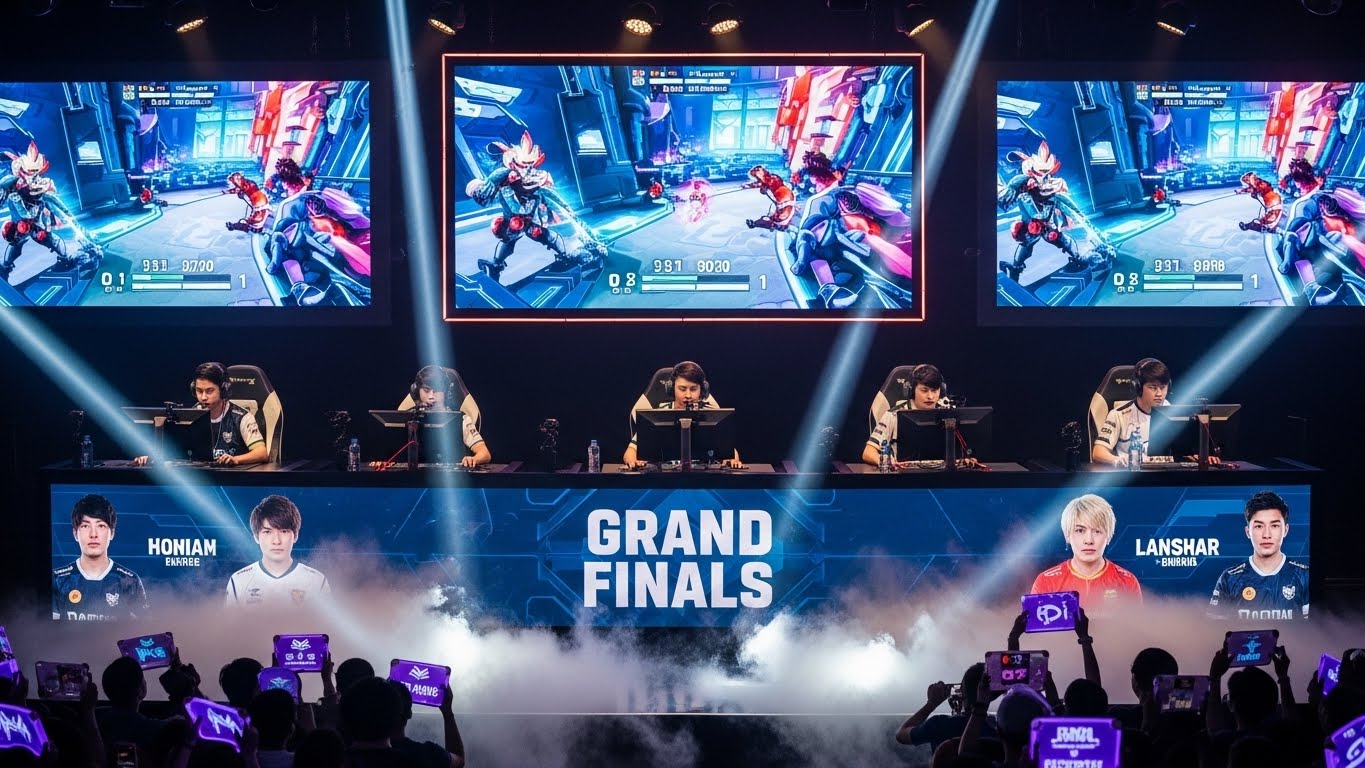
Esports, or competitive gaming, has evolved from a niche hobby into a global phenomenon, captivating millions of players and viewers worldwide. What began as casual multiplayer gaming in the late 20th century has grown into a professional industry with structured tournaments, sponsored teams, and massive audiences. Esports represents a convergence of technology, entertainment, and competition, offering a unique form of engagement that combines skill, strategy, and community. This blog explores the history, growth, cultural impact, and future of esports, highlighting why it has become one of the most significant trends in modern entertainment.
The Origins of Esports
The roots of esports can be traced back to the early days of video gaming. In the 1970s and 1980s, arcade competitions and high-score challenges allowed players to showcase their skills publicly. Games like Space Invaders, Pac-Man, and Street Fighter attracted local competitions, drawing enthusiastic crowds eager to witness top players in action.
The rise of personal computers and early consoles in the 1980s and 1990s expanded the possibilities for competitive gaming. LAN (Local Area Network) tournaments allowed players to compete in real time, fostering community and rivalry. Early esports communities emerged around titles such as Doom, Quake, and StarCraft, which provided strategic depth and required teamwork, precision, and fast reflexes.
The Growth of Esports as a Professional Industry
The late 2000s marked a turning point for esports, transitioning from amateur competitions to organized professional events. High-profile tournaments with significant prize pools began to attract sponsors, investors, and media attention. Games like League of Legends, Dota 2, and Counter-Strike became staples of professional esports, each with dedicated leagues, world championships, and global fan bases.
Esports organizations started recruiting professional players, offering contracts, salaries, and training facilities similar to traditional sports teams. Sponsorship from technology companies, energy drinks, and mainstream brands fueled growth, legitimizing esports as a viable career path. Streaming platforms such as Twitch and YouTube Gaming provided accessibility, allowing fans to watch live competitions and follow their favorite players, further increasing visibility and engagement.
The Cultural Impact of Esports
Esports has influenced youth culture, entertainment, and media consumption habits worldwide. It has created new avenues for social interaction, with online communities connecting players across continents. Competitive gaming fosters collaboration, strategic thinking, and problem-solving skills, making it an engaging and intellectually stimulating activity.
Esports also challenges traditional notions of sports and competition. While physical prowess is central to traditional sports, esports emphasizes cognitive skill, hand-eye coordination, and split-second decision-making. This shift has broadened the definition of athleticism, recognizing mental agility and precision as equally valuable.
Popular Esports Titles and Their Unique Appeal
Different esports titles cater to varying tastes and playstyles. Multiplayer online battle arena (MOBA) games like League of Legends and Dota 2 emphasize teamwork, strategy, and coordination. First-person shooters (FPS) such as Counter-Strike: Global Offensive and Call of Duty focus on precision, reaction speed, and tactical execution. Fighting games, real-time strategy games, and sports simulations each offer unique competitive experiences.
The diversity of genres ensures that esports appeals to a wide audience. Each game creates its own culture, complete with jargon, strategies, fan communities, and streaming personalities. The variety contributes to the overall growth and sustainability of the esports ecosystem.
The Economics of Esports
Esports is a rapidly growing industry with a multi-billion-dollar global market. Revenue streams include tournament prize pools, sponsorship deals, media rights, merchandise sales, and streaming platform subscriptions. Large-scale events can draw hundreds of thousands of viewers online, rivaling traditional sporting events in audience size.
Investments from traditional sports franchises, media companies, and venture capital firms have further fueled growth. Cities around the world now host esports arenas and tournaments, integrating esports into the broader entertainment and tourism industries. This commercialization has turned competitive gaming into a serious business, with professional players, coaches, analysts, and event organizers building sustainable careers.
Esports and Technology: A Symbiotic Relationship
Esports relies heavily on technological advancements. High-performance gaming PCs, consoles, peripherals, and fast internet connectivity are essential for competitive play. Innovations in graphics, game engines, and online infrastructure continue to enhance the gaming experience.
Streaming technology allows esports events to reach millions globally in real time. Interactive features such as live chats, overlays, and analytics enhance engagement and community participation. Virtual reality and augmented reality have begun influencing esports, offering immersive experiences and new ways to compete. Technology not only enables esports but also drives innovation in gameplay, spectator experience, and training methods.
Training and Professionalism in Esports
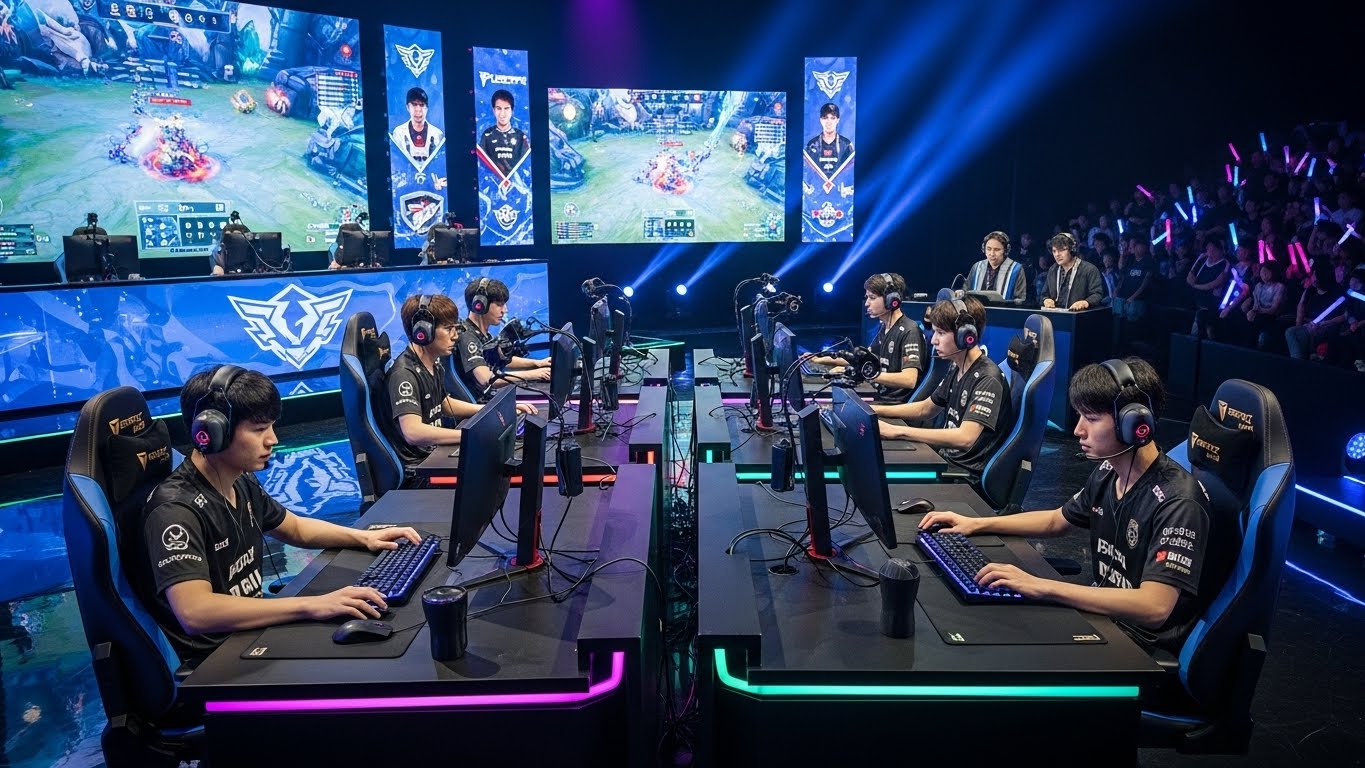
Professional esports players undergo rigorous training schedules similar to traditional athletes. Daily practice sessions, strategy meetings, and fitness routines are essential to maintain peak performance. Teams employ coaches, analysts, and nutritionists to optimize physical and mental conditioning.
Professionalism extends to behavior and branding. Players cultivate personal brands, engage with fans, and maintain discipline under public scrutiny. Esports requires dedication, teamwork, and mental resilience, proving that success in competitive gaming demands more than just raw talent.
Esports as a Social and Community Experience
Esports has fostered a vibrant global community. Online platforms allow players and fans to interact, share strategies, and celebrate achievements. Competitions are not just about winning; they provide a shared experience for millions of viewers worldwide.
Community-driven events, fan conventions, and meet-and-greets strengthen bonds between players and fans. Online forums, social media groups, and streaming platforms create spaces for collaboration and discussion, contributing to a dynamic and engaged audience. Esports is not merely a spectator sport; it is a participatory culture that thrives on interaction and shared enthusiasm.
Challenges Facing Esports
Despite its growth, esports faces challenges that threaten sustainability. Physical and mental health concerns are significant, as players spend long hours practicing with limited physical activity. Burnout, eye strain, and stress are common among professional competitors.
Ethical issues such as cheating, match-fixing, and toxic behavior in online communities also require attention. Maintaining fairness, integrity, and sportsmanship is essential for the credibility of esports. Organizations, developers, and governing bodies are actively addressing these concerns through regulations, monitoring, and educational initiatives.
The Future of Esports
The future of esports is promising, with continued growth expected in audience size, revenue, and global influence. Emerging technologies such as virtual reality, cloud gaming, and artificial intelligence are poised to redefine gameplay and competition.
Esports is likely to expand into educational and professional development sectors. Schools and universities are offering esports programs and scholarships, recognizing its potential to develop strategic thinking, teamwork, and technological literacy. Additionally, esports may integrate with traditional sports, entertainment, and media, creating hybrid experiences that appeal to diverse audiences.
Esports and Global Recognition
Esports is gaining recognition as a legitimate competitive discipline worldwide. Major sporting organizations, including the International Olympic Committee, have explored ways to integrate esports into global sports frameworks. Countries are investing in infrastructure, training programs, and international tournaments, further legitimizing competitive gaming.
Global recognition also promotes cultural exchange. Players from different countries compete, collaborate, and learn from each other, fostering international understanding and unity through shared passion for gaming.
Conclusion: Esports as a Transformative Force
Esports has evolved into a cultural, economic, and social powerhouse. It has redefined competition, challenged traditional notions of athleticism, and created opportunities for millions of players and fans globally. Beyond entertainment, esports fosters community, develops skills, and inspires innovation.
As technology, accessibility, and global interest continue to grow, esports will become an even more integral part of modern society. Its impact reaches far beyond the screen, shaping careers, communities, and cultures. Esports is not merely a trend; it is a transformative force redefining the way we compete, connect, and experience entertainment in the digital age.