Introduction to Esports
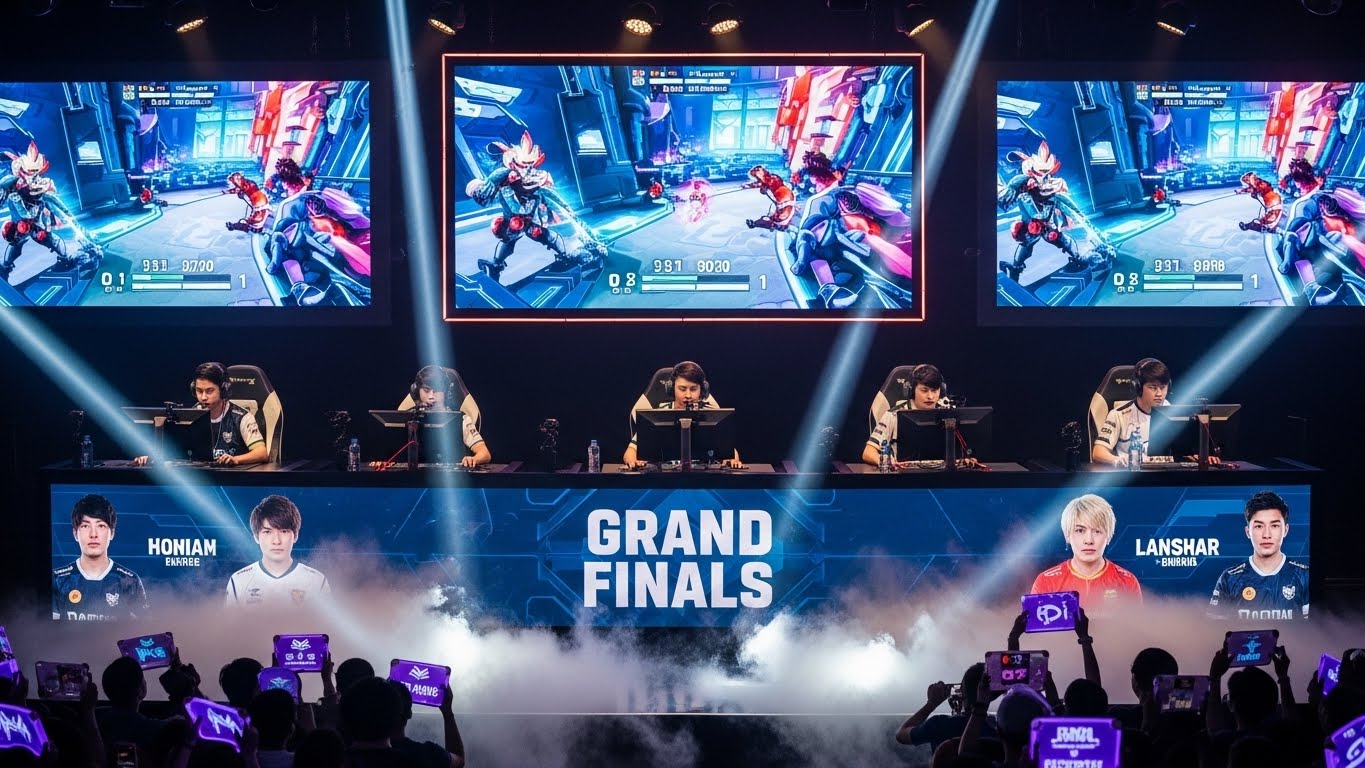
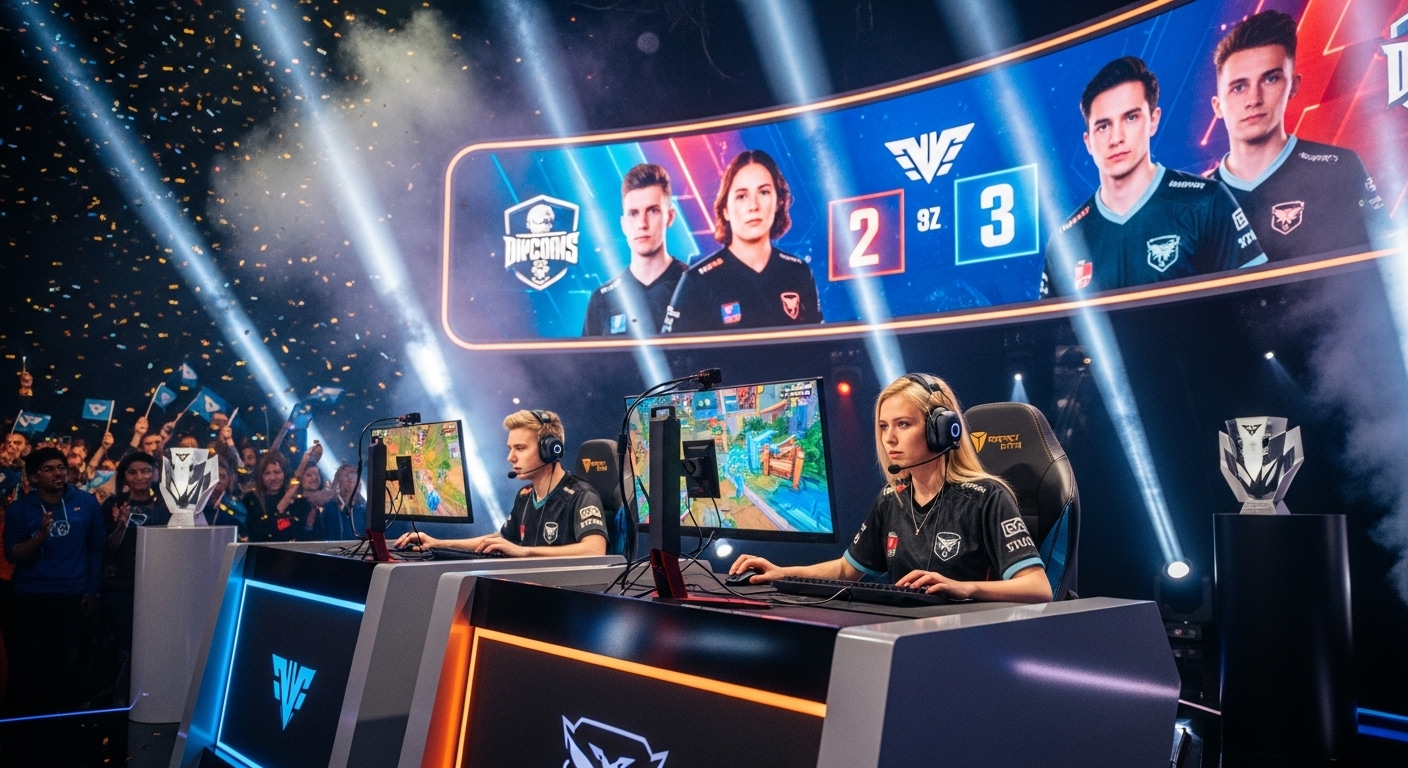
In the past decade, competitive gaming, commonly known as esports, has transformed from a niche hobby into a global industry. Once seen as just teenagers playing video games in their bedrooms, esports now fills stadiums, attracts millions of online viewers, and offers multi-million-dollar prize pools. Its evolution highlights not only technological advancements but also the growing cultural acceptance of gaming as a legitimate form of competition and entertainment.
The Growth of Esports Industry
Esports has grown exponentially, both in terms of audience and revenue. Global tournaments now rival traditional sports in viewership, with events like the League of Legends World Championship and Dota 2’s The International capturing millions of live viewers. Sponsorship deals, merchandise, and media rights deals have turned esports into a billion-dollar industry. This growth has also encouraged educational institutions to offer esports scholarships and programs, further legitimizing the field.
Popular Esports Titles
Several games dominate the esports scene, each with its own dedicated fan base and professional leagues. Multiplayer online battle arena (MOBA) games like League of Legends and Dota 2 attract strategic and team-oriented players. First-person shooters such as Counter-Strike: Global Offensive and Call of Duty appeal to those who enjoy fast-paced reflex-based gameplay. Additionally, battle royale games like Fortnite and Apex Legends bring a mix of strategy, skill, and entertainment, creating diverse competitive opportunities.
The Role of Technology in Esports
Technology plays a crucial role in the esports ecosystem. High-speed internet, advanced graphics, and streaming platforms have made it easier for players to compete globally and for fans to follow their favorite teams in real time. Streaming platforms also allow players to build personal brands, while innovations like virtual reality and augmented reality hint at even more immersive experiences for future competitions.
Impact on Youth and Culture
Esports has reshaped youth culture, creating new career paths and communities. Young gamers are now aspiring to become professional players, streamers, or analysts. Moreover, esports fosters collaboration, strategic thinking, and communication skills, demonstrating that gaming can offer more than just entertainment. However, it also raises concerns about screen time and physical health, making balance a key factor for aspiring professionals.
Challenges in Esports
Despite its rapid growth, esports faces challenges. Issues such as burnout among players, lack of standardized regulations, and controversy over fairness in competitions remain prevalent. Additionally, monetization and sustainability for smaller teams or new leagues can be difficult, as the industry tends to favor already popular titles and established organizations.
The Future of Esports
Looking ahead, esports is poised to become an even more integral part of global entertainment. Virtual reality competitions, AI-enhanced gameplay, and cross-platform tournaments could redefine what competitive gaming looks like. As mainstream acceptance grows, esports may one day be viewed on the same level as traditional sports in terms of cultural significance and professional opportunities.
Conclusion
Esports has evolved from a casual pastime to a professional arena with global influence. Its impact on culture, technology, and the entertainment industry is undeniable. While challenges exist, the continuous growth of esports signifies a promising future for players, fans, and the industry as a whole. Competitive gaming is no longer just a game; it is a revolution.