Introduction: The Rise of Esports
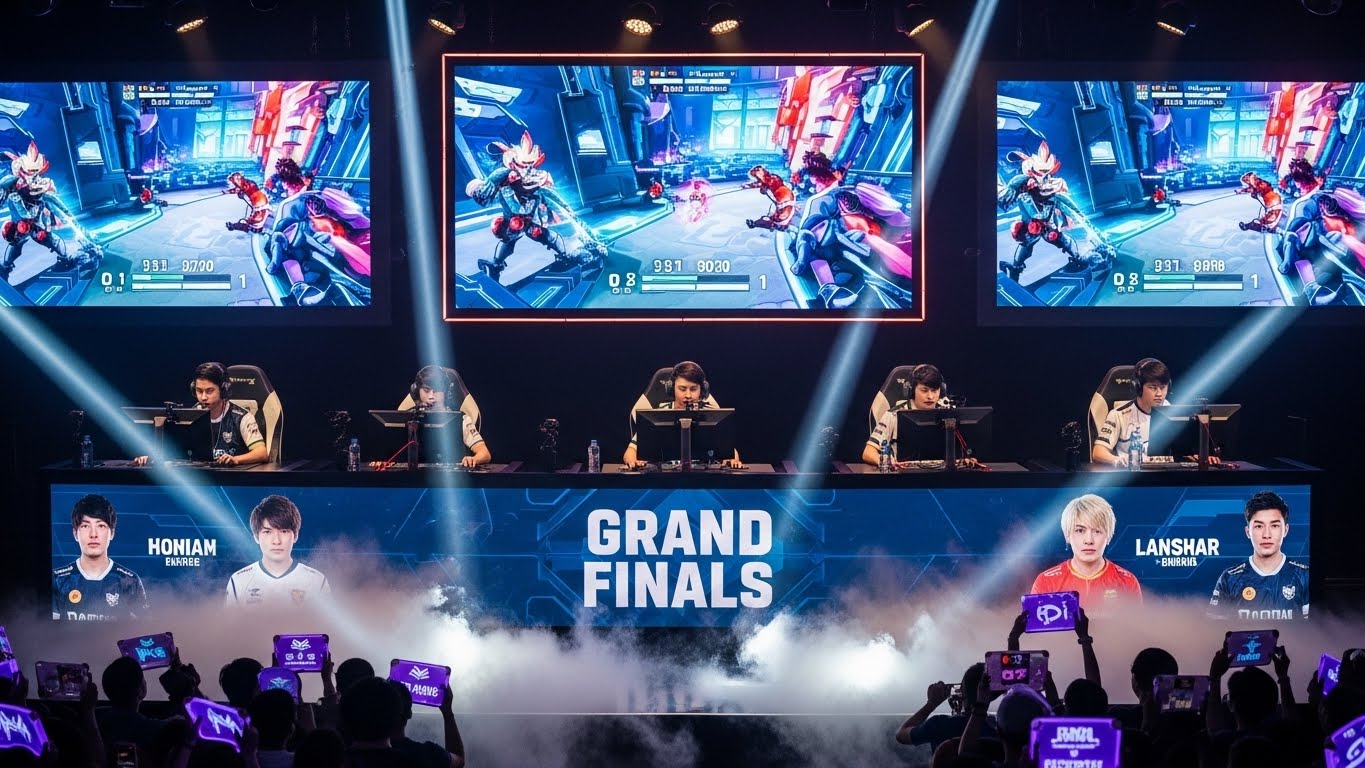
Esports, or competitive gaming, has emerged as one of the fastest-growing forms of entertainment in the digital age. What started as casual competitions among friends has transformed into a global phenomenon with professional leagues, international tournaments, and millions of dedicated fans. Unlike traditional sports, esports transcends physical limitations, allowing players from different countries to compete in virtual arenas. The industry blends skill, strategy, technology, and entertainment, creating opportunities for players, creators, and audiences alike.
The Evolution of Esports
Esports has its roots in the early days of video gaming. In the 1980s, arcade tournaments and local competitions began to form communities of competitive players. As video games advanced in complexity and popularity, so did the competitive scene. The 1990s and early 2000s saw the rise of PC gaming tournaments, particularly in strategy and first-person shooter games.
The introduction of online multiplayer gaming revolutionized esports, enabling players from around the world to compete in real time. Today, esports features professional leagues, sponsorships, and live-streamed tournaments watched by millions globally. The evolution of esports demonstrates how digital technology has reshaped competition and entertainment.
Popular Esports Genres
Esports encompasses a wide range of game genres, each requiring unique skills and strategies. First-person shooters, such as Counter-Strike and Call of Duty, demand quick reflexes, precision, and tactical thinking. Multiplayer online battle arenas, like League of Legends and Dota 2, emphasize teamwork, strategy, and long-term planning.
Sports simulation games, including FIFA and NBA 2K, replicate real-world sports and require players to combine strategic thinking with real-time decision-making. Fighting games, such as Street Fighter and Tekken, challenge reflexes, timing, and technical skill. Each genre offers a distinct experience, catering to diverse audiences and competitive players.
The Professionalization of Esports
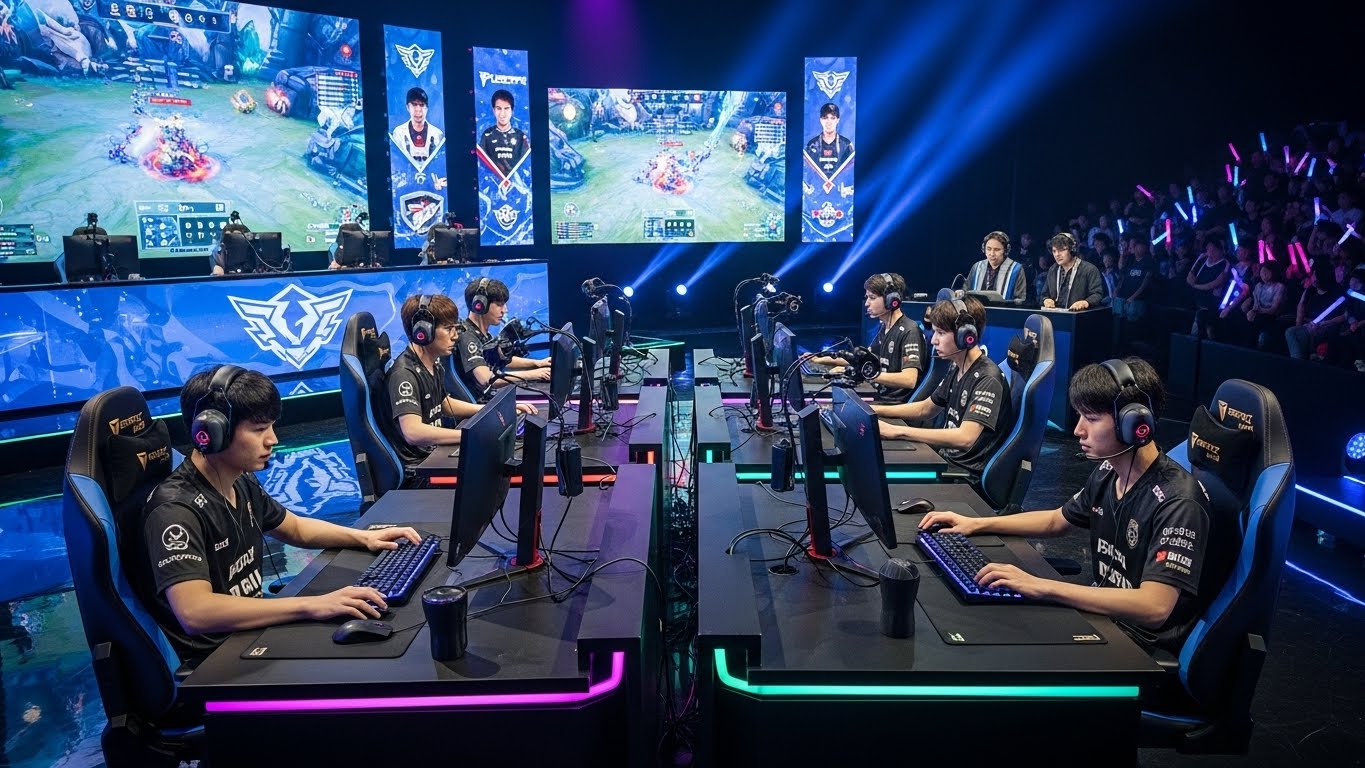
Professional esports has transformed competitive gaming into a legitimate career path. Top players train rigorously, often practicing for six to twelve hours a day, focusing on mechanics, strategy, teamwork, and mental resilience. Teams are supported by coaches, analysts, and psychologists to optimize performance.
Major tournaments now feature substantial prize pools, sponsorships, and media coverage. Players can earn a living not only through competition but also through streaming, content creation, and brand partnerships. The professionalization of esports demonstrates that gaming is not merely a hobby—it is a skill-based profession requiring discipline and dedication.
Esports as a Spectator Experience
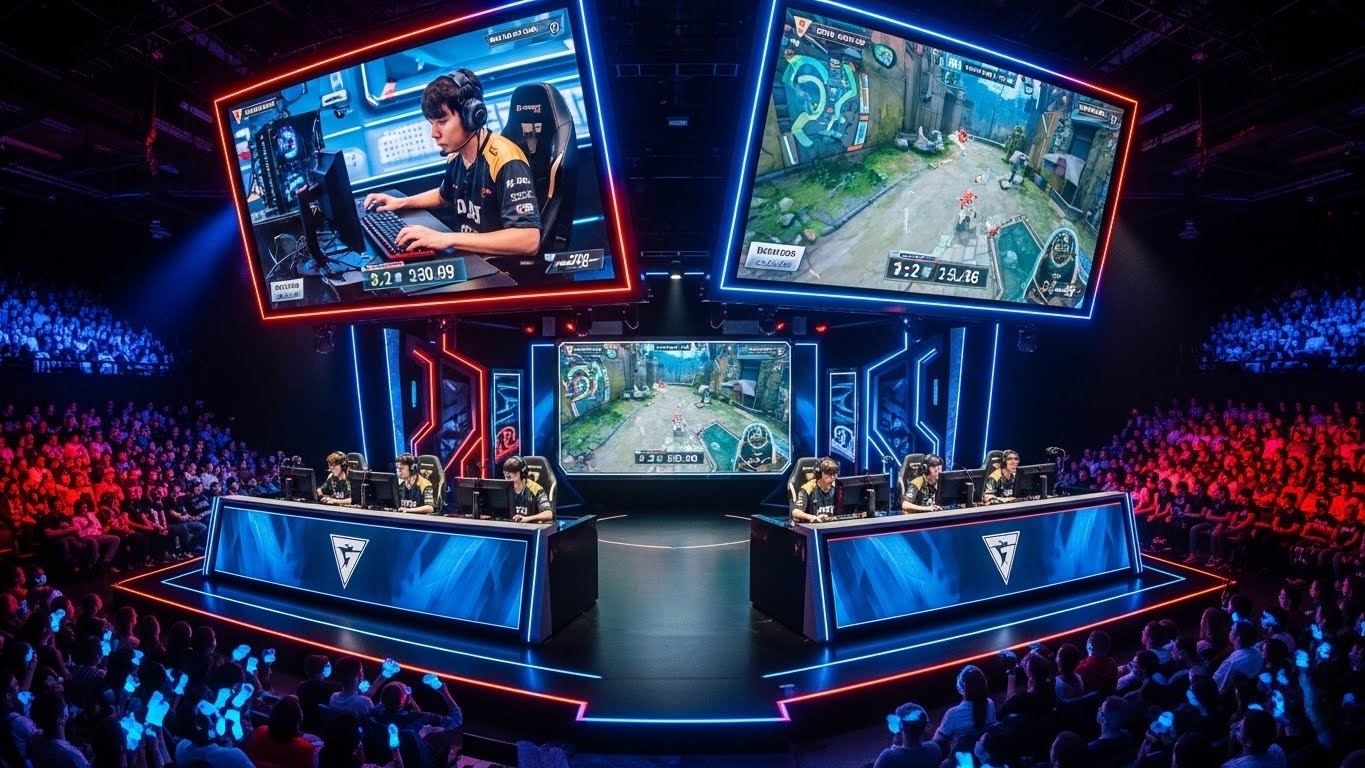
Watching esports has become a cultural phenomenon. Live streams, tournament broadcasts, and highlight reels attract millions of viewers worldwide. Platforms dedicated to esports provide interactive experiences, allowing fans to engage with players, comment in real time, and participate in communities.
Esports spectatorship mirrors traditional sports, complete with fan loyalty, rivalries, and global excitement. The accessibility of online streaming has expanded the audience, enabling anyone with an internet connection to follow tournaments and cheer for their favorite teams. This interactive and participatory nature makes esports uniquely engaging as a form of entertainment.
The Role of Technology in Esports
Technology is at the core of esports. High-performance gaming hardware, fast internet connections, and advanced software enable smooth and competitive gameplay. Streaming technology allows real-time broadcasting of tournaments, while analytics tools provide players with performance insights.
Virtual reality and augmented reality are emerging trends in esports, offering immersive gaming experiences that bridge the gap between players and audiences. Artificial intelligence assists in strategy analysis, training simulations, and fair competition. Technology not only powers gameplay but also shapes how audiences interact with the digital arena.
Cognitive and Skill Benefits of Esports
Esports is more than entertainment—it develops critical skills and cognitive abilities. Competitive gaming enhances problem-solving, strategic thinking, and multitasking. Players learn to make quick decisions under pressure, analyze complex situations, and anticipate opponents’ moves.
Team-based esports also promote collaboration, communication, and leadership skills. Players must coordinate with teammates, adapt strategies in real time, and manage conflict effectively. These cognitive and social benefits demonstrate that esports is both intellectually stimulating and educational.
The Global Community of Esports
Esports has created a global community that transcends borders. Players and fans from different countries interact online, sharing strategies, experiences, and fandom. International tournaments foster cultural exchange, collaboration, and healthy competition.
Esports communities also provide mentorship and support. Aspiring players can learn from experienced professionals, join teams, and participate in grassroots competitions. The social and community aspects of esports make it a platform for connection and shared passion, highlighting its role as a cultural phenomenon.
Diversity and Inclusion in Esports
Esports is increasingly becoming inclusive and diverse. Players of all genders, backgrounds, and abilities can participate and succeed. Initiatives supporting women, underrepresented groups, and adaptive gaming have expanded opportunities and representation.
Diversity in esports promotes fairness, creativity, and innovation. Inclusive competitions encourage broader participation, challenging stereotypes and creating role models for future generations. By fostering equality, esports demonstrates that talent, dedication, and skill are the primary determinants of success.
Economic Impact of Esports
The esports industry has grown into a multi-billion-dollar global market. Revenue streams include tournament prize money, sponsorship deals, merchandise sales, and media rights. Game developers, event organizers, and content creators all benefit from the economic ecosystem surrounding esports.
Esports also contributes to job creation. Professional players, coaches, analysts, event managers, marketers, and technical staff form a vibrant workforce. The industry stimulates local and international economies through events, tourism, and partnerships, highlighting its significance beyond the virtual battlefield.
Challenges in Esports
Despite its growth, esports faces challenges. Mental and physical health concerns, including burnout, eye strain, and repetitive strain injuries, affect players who train extensively. The competitive nature of esports can also lead to stress and pressure to perform consistently.
Additionally, regulation and governance remain critical issues. Ensuring fair play, combating cheating, and maintaining ethical standards are ongoing concerns. Addressing these challenges is essential for sustaining the growth, credibility, and longevity of the esports industry.
Esports and Education
Esports is increasingly being integrated into educational programs. Schools and universities now offer esports scholarships, teams, and courses that teach game strategy, management, and digital skills. These programs provide students with career opportunities and develop skills such as teamwork, leadership, and critical thinking.
Incorporating esports into education also promotes digital literacy, strategic planning, and entrepreneurship. By recognizing esports as an academic and professional avenue, institutions are bridging the gap between passion and opportunity.
The Future of Esports
The future of esports is promising and dynamic. Advancements in virtual reality, cloud gaming, and artificial intelligence will create more immersive and interactive experiences. Global expansion will bring new audiences, diverse talent, and innovative competitions.
Esports is likely to continue blurring the line between traditional sports and digital entertainment. With increasing investment, professionalization, and technological integration, esports is poised to become a dominant force in global entertainment, education, and culture.
Conclusion: Esports as a Modern Cultural Phenomenon
Esports has evolved from casual gaming into a professional, global, and culturally significant phenomenon. It combines competition, strategy, technology, and entertainment in ways that traditional sports cannot fully replicate. Players develop cognitive, social, and leadership skills, while fans engage in interactive and immersive experiences.
Beyond recreation, esports creates economic opportunities, fosters community, and promotes inclusion. Its influence spans education, entertainment, and professional development, making it a powerful force in the digital age. As technology advances and global participation grows, esports will continue to redefine competition, connection, and the very nature of modern entertainment.