Introduction: A New Age of Competition
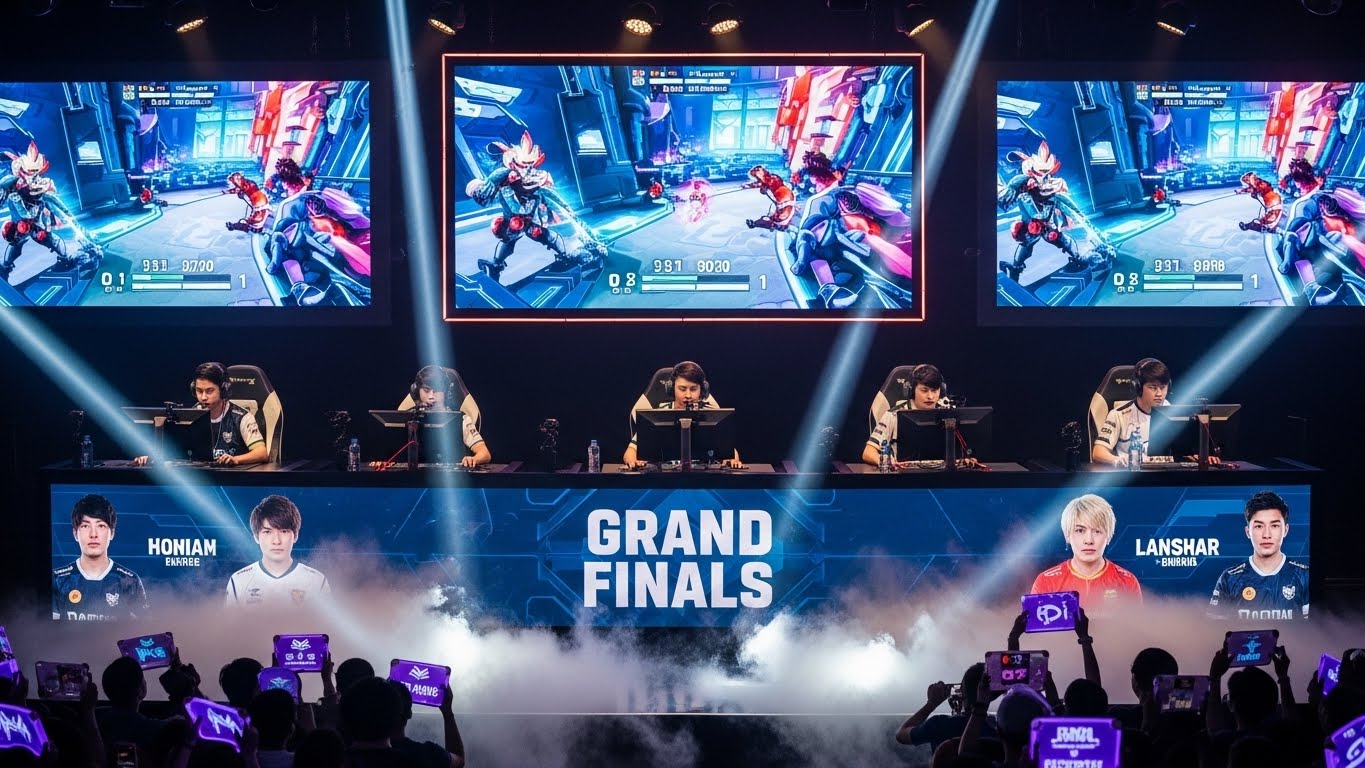
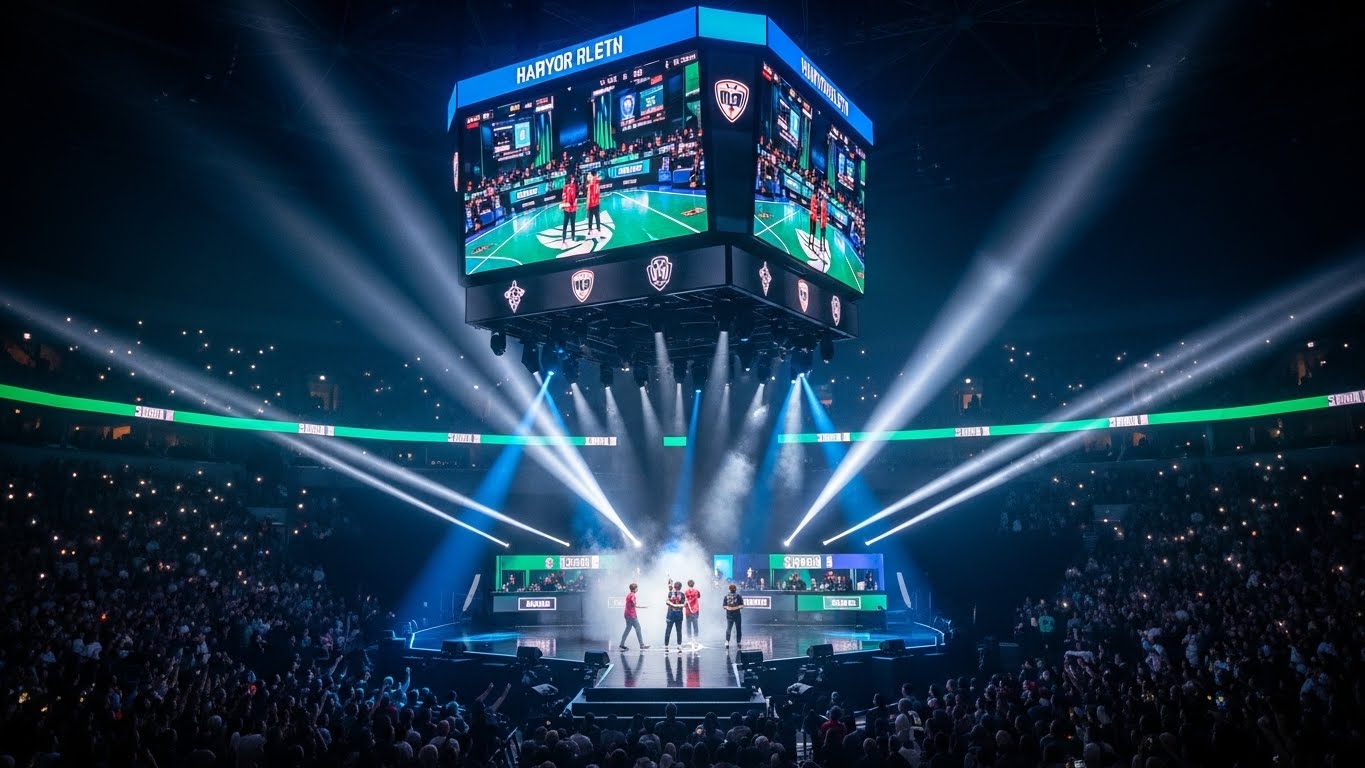
For decades, competitive gaming lived in the shadows of traditional sports. It was a hobby, a pastime, a quiet corner of the internet where enthusiasts gathered to share strategies, discuss updates, and enjoy friendly matches. But over the past ten years, esports has become something far larger than anyone imagined. Today, it stands as a certified global entertainment powerhouse. Stadiums fill for tournaments, live broadcasts attract millions of viewers, professional players earn salaries rivaling athletes in mainstream sports, and colleges even offer scholarships to gamers. The rise of esports has reshaped what it means to compete, to train, and to entertain, creating a thriving cultural and economic ecosystem.
The Evolution of Gaming into Esports
The roots of esports stretch back to the earliest days of video games. Retro competitions held in arcades and campus basements fostered the first sparks of organized play. What began as local gatherings evolved into regional contests, and as technology advanced, online matchmaking helped games reach broader audiences. Titles like StarCraft, Counter-Strike, and Warcraft III laid the groundwork for what would become global leagues and iconic professional scenes.
The major shift occurred when streaming platforms allowed fans around the world to watch competitions in real time. Suddenly, players were no longer competing in isolation. They had audiences, commentators, and mounting expectations. The idea of a video game professional transitioned from an improbable dream to a legitimate career path. Esports matured into structured leagues, seasonal championships, sponsorship-backed teams, and international tournaments that rival traditional sporting events in scale and excitement.
Why Esports Captivates the Modern Audience
Esports appeals to an audience that has grown up in a digital world. Unlike traditional sports that require physical fields, specialized equipment, and geographic access, competitive gaming only requires an internet connection and a device. This makes esports inherently inclusive and global.
Additionally, the games themselves are fast-paced, visually striking, and intellectually demanding. Each match is a blend of strategy, reflexes, coordination, and psychological resilience. Fans are drawn to the dynamic energy of the matches, the complexity of team compositions, and the skill ceiling that is often unbelievably high. Professional players perform feats that most casual gamers can only dream of, creating moments as breathtaking as any buzzer-beater on a basketball court or last-second goal on a soccer pitch.
Esports also thrives on community interaction. Fans engage directly with players through streaming platforms, social media, and live events. This access and transparency foster loyalty and connection, creating a vibrant culture where players and fans grow together.
The Rise of Professional Teams and Training Culture
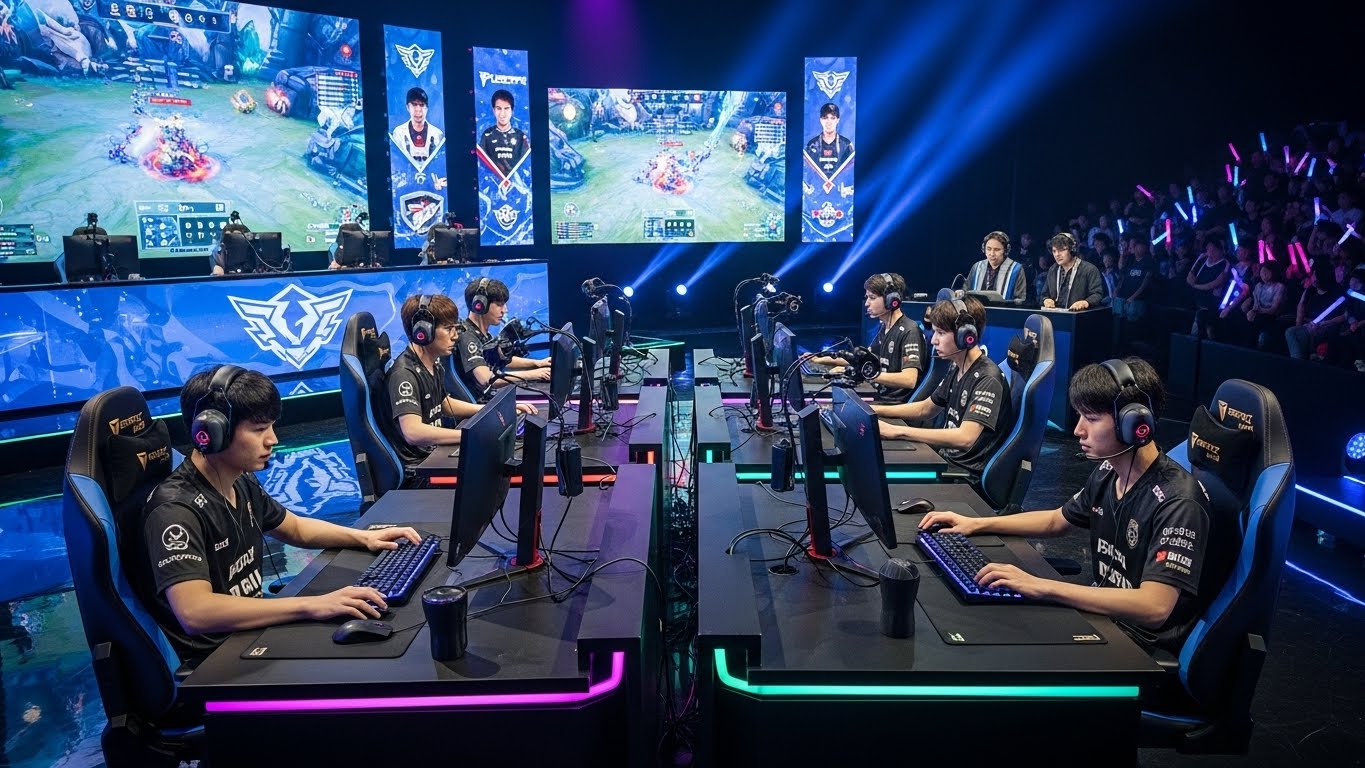
Behind every esports victory lies months or even years of rigorous preparation. Professional teams today operate with a level of organization and structure that mirrors traditional sports institutions. Many top organizations maintain fully equipped training facilities where players practice for hours, study strategies, and review game footage. Coaches analyze opponents, nutritionists maintain healthy meal plans, and sports psychologists help competitors manage stress and pressure.
Players dedicate significant time to developing mechanical skill, communication flow, and strategic awareness. The training is intense and often mentally exhausting. The average professional may practice more than eight hours a day, balancing individual improvement with team coordination. While esports may be virtual, the career demands discipline, resilience, and commitment.
The Business of Esports
Esports has grown into a multi-billion-dollar industry powered by sponsorships, advertising, merchandising, media rights, and tournament prize pools. Brands from technology giants to beverage companies have invested heavily in teams and events. The reason is simple: esports attracts a young, enthusiastic, and digitally engaged audience.
Teams develop merchandise lines, content channels, and partnership campaigns. Tournament organizers create massive production spectacles with elaborate stages, commentary teams, and global broadcast networks. Meanwhile, streaming platforms fuel the ecosystem by allowing advertisers and creators to collaborate directly with fans.
This commercial structure has created a wide range of career opportunities beyond playing. Event hosts, analysts, video editors, social media managers, game developers, performance coaches, and marketing specialists all contribute to the vibrancy of the industry.
Cultural Impact and Community Growth
Esports has expanded far beyond the world of gaming. It influences fashion, music, entertainment, and education. Many mainstream celebrities invest in esports teams, collaborate on content, or participate in gaming showcases. Musicians perform at tournament stages, fashion brands design gaming-inspired apparel, and major entertainment companies produce documentaries and series centered on esports personalities.
One of the most significant impacts has been the growth of collegiate and youth esports programs. Universities around the world now offer competitive teams, dedicated facilities, and scholarships for talented players. This legitimizes esports as not just entertainment but also an academic and developmental pathway. Young players can pursue structured competition, teamwork, leadership, and technological skill development through schools and community programs.
Challenges Facing the Esports Industry
Despite its rapid success, esports faces notable challenges that require thoughtful solutions. Player burnout is a significant concern due to demanding practice schedules and high-pressure environments. Many professionals retire early because of stress, injuries such as repetitive strain damage, or mental fatigue.
Another challenge is maintaining competitive integrity. Like any sport, esports must consistently address issues such as cheating, match-fixing, and game exploitation. Strong regulation, fair tournament structures, and robust anti-cheat systems are essential to keep the competition healthy.
The industry also grapples with sustainability. Rapid expansion brings growing pains, including uncertain league structures, unstable team funding, and shifting player contracts. For esports to remain stable long term, organizations must build reliable revenue models and supportive environments for players.
The Future of Esports
Looking ahead, the future of esports is bright. Advancements in virtual reality, artificial intelligence, cloud gaming, and interactive broadcasting may redefine the spectator experience. Fans could one day immerse themselves inside the game world, view matches from any angle, or participate in real-time decision-making experiences that blend gaming with interactive entertainment.
The lines between esports and traditional sports will continue to blur as global competitions expand, mainstream networks adopt more broadcasts, and national organizations recognize esports as legitimate sport. With more educational institutions supporting esports, young players will have structured pathways for development, similar to traditional athletic programs.
Mobile esports, in particular, is expected to dominate markets where smartphones are more accessible than gaming PCs or consoles. This shift will invite new demographics, expand viewership, and introduce fresh gaming titles into the competitive arena.
Conclusion: The Legacy Being Built
Esports is no longer a niche interest. It is a cultural, economic, and technological force shaping the entertainment landscape. From amateur enthusiasts to world-class professionals, from small local events to international championships, the digital arena has become a defining stage for modern competition. The passion, creativity, and dedication of players and fans continue to push esports forward, building a legacy that future generations will inherit and expand.
What began as casual gaming has become a global phenomenon. And if its current trajectory continues, esports may soon stand alongside the world’s most iconic competitive traditions, forever changing what it means to be a champion in the digital age.