Introduction to Esports
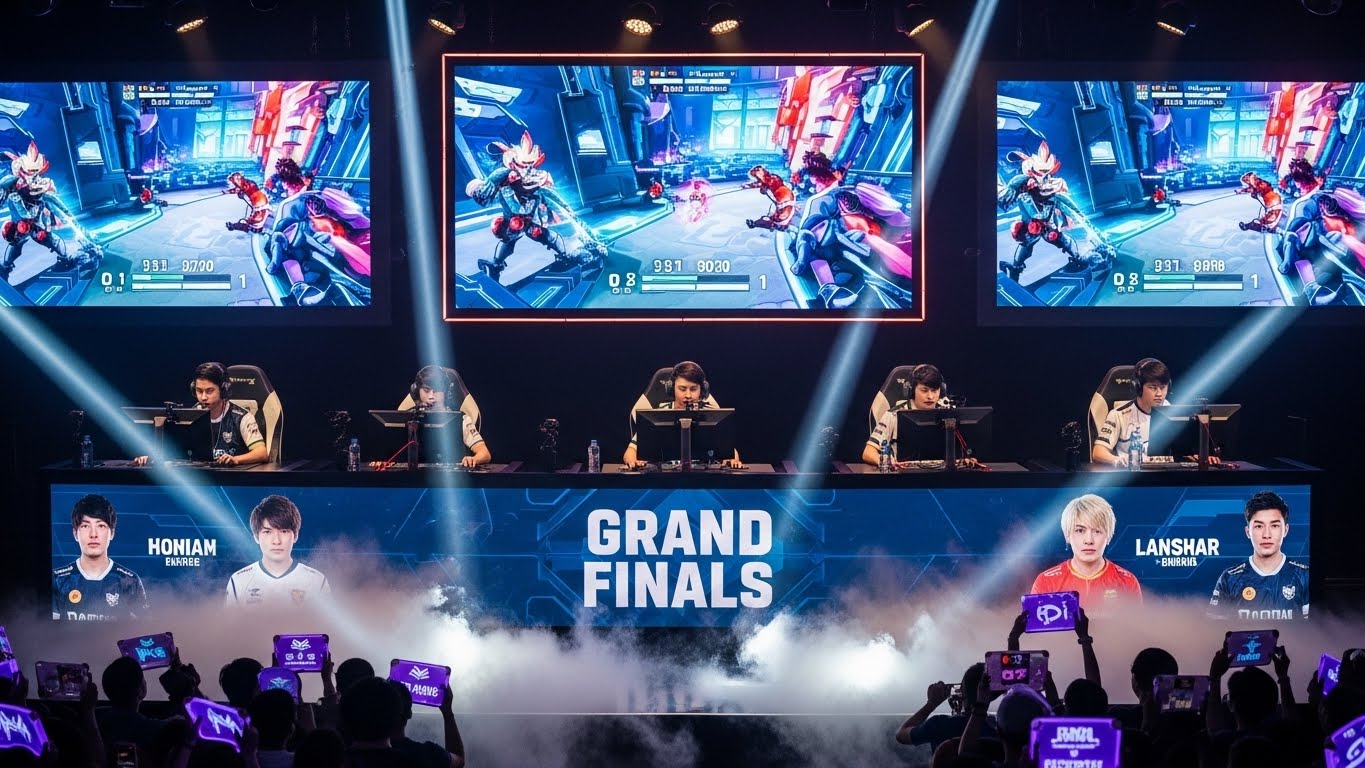
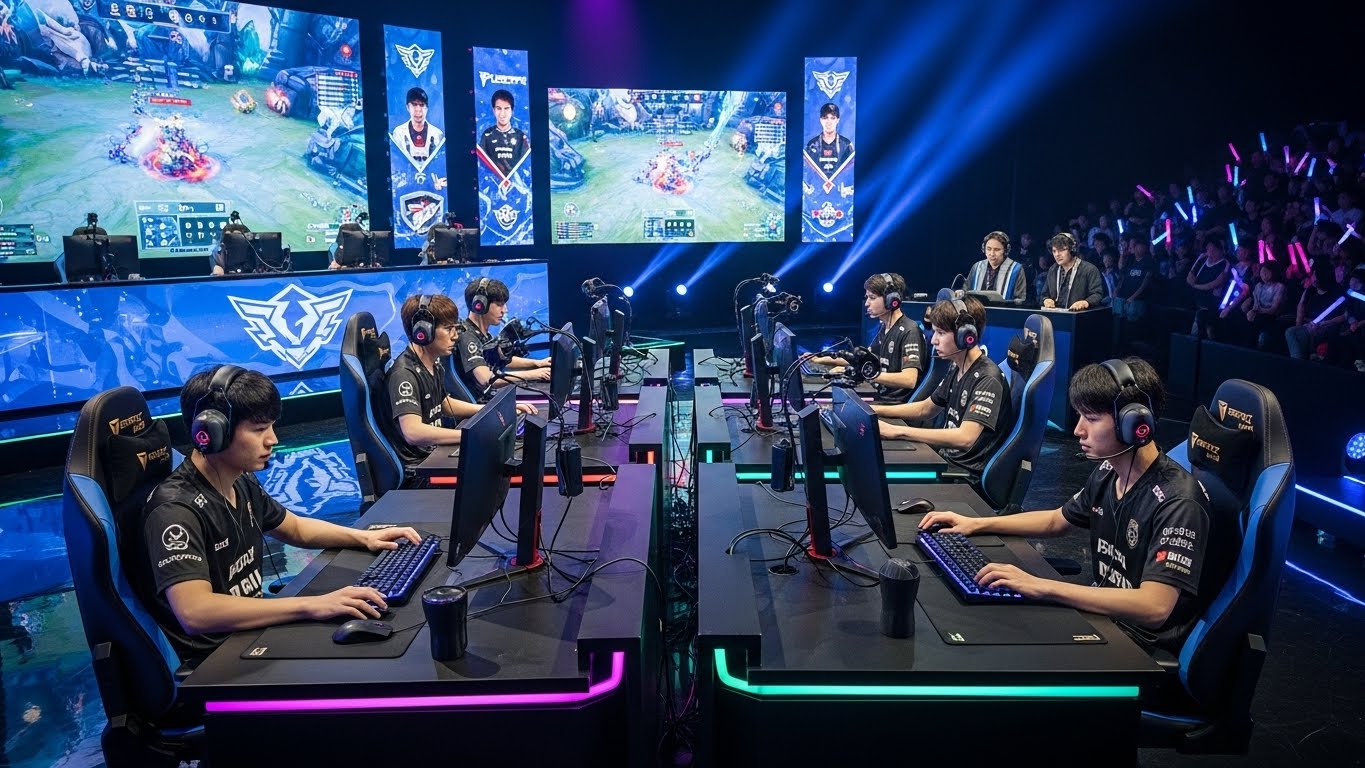
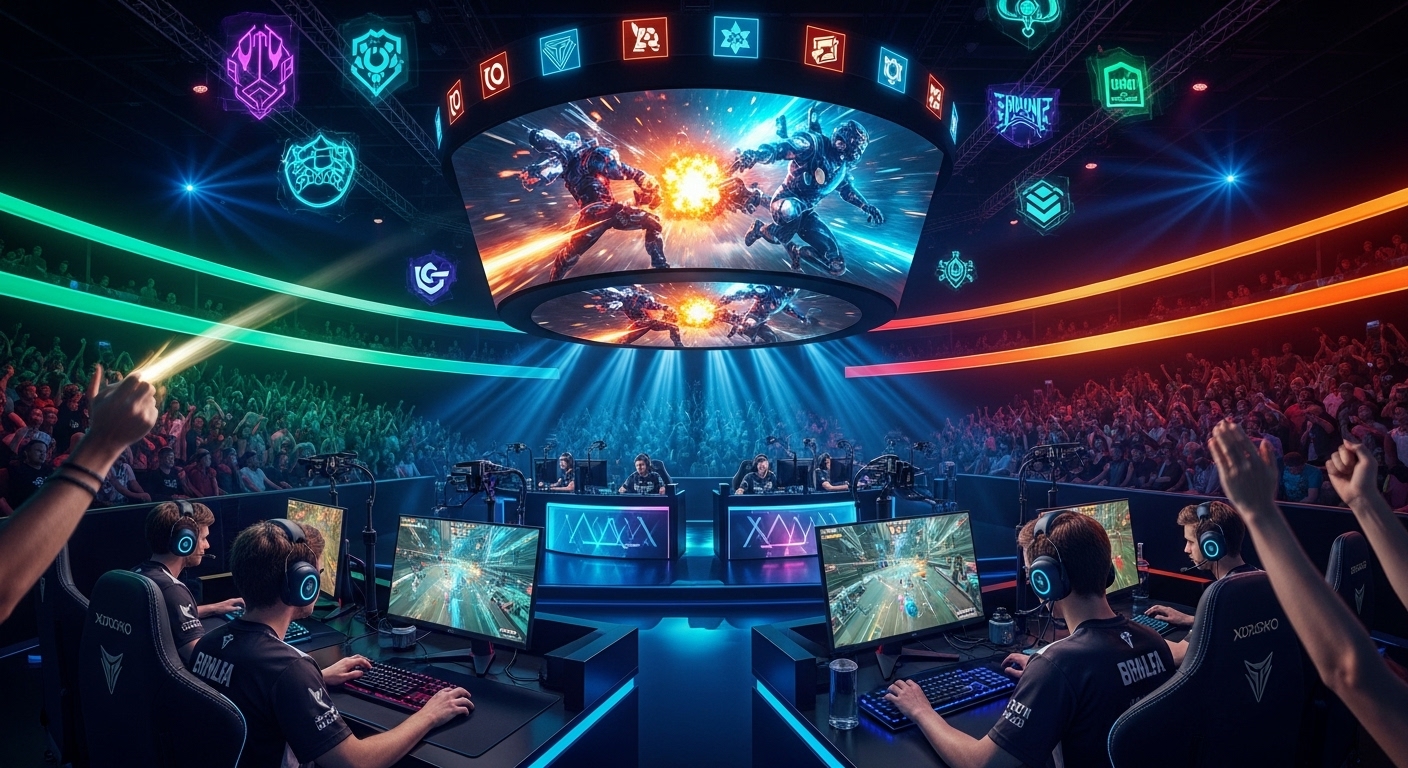
Esports, short for electronic sports, has evolved from a niche hobby into a billion-dollar global industry. What once started as casual gaming competitions in living rooms and arcades has transformed into professional tournaments filling arenas and drawing millions of online viewers. The modern era of Esports represents a fascinating intersection of technology, entertainment, and athleticism, where players compete with intense focus, strategic thinking, and lightning-fast reflexes. The phenomenon is not just reshaping the gaming world but also redefining the concept of competition in the digital age.
The Origins of Competitive Gaming
To understand the rise of Esports, it is essential to look back at its humble beginnings. The earliest recorded video game competition dates back to 1972 at Stanford University, where players competed in the game Spacewar. However, the true spark came in the 1980s when arcade machines became popular and high score contests emerged as a way to show gaming skill. Games like Pac-Man, Donkey Kong, and Space Invaders fueled a culture of competition among gamers eager to prove themselves.
By the 1990s, local tournaments expanded with the rise of home consoles and PC gaming. Titles like Street Fighter II and Quake helped establish the foundation for organized competitive gaming. LAN parties became the center of social gaming, where players connected their computers locally to compete in multiplayer matches. This laid the groundwork for the professional and online Esports scene we know today.
The Growth of Esports in the 2000s
The 2000s marked a turning point in Esports history. With the advent of broadband internet, players could compete globally without leaving their homes. Games such as Counter-Strike, StarCraft, and Warcraft III became early Esports staples, attracting professional players and dedicated fanbases. South Korea played a pivotal role during this era, with televised StarCraft matches becoming national events and professional gamers achieving celebrity status.
The introduction of platforms like YouTube and Twitch in the late 2000s further propelled Esports into mainstream consciousness. These platforms allowed fans to watch live tournaments, follow their favorite players, and engage with gaming content around the clock. The accessibility and entertainment value of Esports drew comparisons to traditional sports, solidifying its place in modern culture.
The Modern Esports Ecosystem
Today, Esports is a vast and complex ecosystem involving players, teams, organizers, sponsors, and millions of fans worldwide. Major tournaments such as The International for Dota 2, the League of Legends World Championship, and the Fortnite World Cup attract massive prize pools and global audiences. These events rival traditional sporting championships in both scale and excitement.
Professional teams are structured like traditional sports franchises, complete with coaches, analysts, and training facilities. Players follow strict practice regimens, maintain fitness routines, and study gameplay footage to improve performance. The industry has also expanded to include broadcasting professionals, commentators, event managers, and marketing specialists. This professionalization has legitimized Esports as a serious career path for many young talents.
Popular Esports Titles
While thousands of games have competitive scenes, only a few have reached legendary status in Esports.
- League of Legends (LoL) is one of the most popular Esports titles globally. Developed by Riot Games, it features strategic five-versus-five matches where teamwork and coordination are essential. Its annual World Championship draws millions of viewers and is celebrated for its grand production and storytelling.
- Counter-Strike: Global Offensive (CS) remains one of the most enduring and beloved competitive shooters. Its skill-based gameplay and tactical depth make it a favorite among fans and players alike.
- Dota 2 stands out for its complexity and enormous prize pools, often funded by the community itself. The International tournament consistently offers multi-million-dollar rewards to the best teams in the world.
- Valorant, a relatively newer entry, has quickly grown due to its mix of precise shooting mechanics and unique character abilities, blending elements of tactical shooters and hero-based games.
- Fortnite, though originally a battle royale game, has redefined Esports by combining competitive gaming with entertainment, featuring celebrity events and creative game modes.
The Role of Streaming and Content Creation
Streaming platforms are at the heart of the Esports revolution. Sites like Twitch, YouTube Gaming, and Kick have transformed how audiences engage with competitive gaming. Viewers can interact directly with their favorite players through chat, follow their daily routines, and watch both professional matches and casual play sessions. This direct interaction between players and fans creates a strong sense of community and loyalty.
Streaming has also democratized Esports. Aspiring gamers no longer need to wait for major tournaments to showcase their talent. Many professionals were discovered through streaming their gameplay, building audiences organically. Content creation has become a crucial part of the Esports economy, where sponsorships, donations, and ad revenue support players beyond prize winnings.
The Business of Esports
Esports has grown into a major business sector attracting investment from tech companies, media networks, and even traditional sports organizations. Teams are often owned or sponsored by major brands, including automobile manufacturers, energy drink companies, and apparel labels. Prize pools have reached record-breaking levels, but the true financial engine of Esports lies in media rights, sponsorships, merchandise, and live event ticket sales.
Franchising models have also emerged, especially in games like Overwatch and Call of Duty, where teams represent specific cities. This mirrors the structure of leagues like the NBA or Premier League and aims to create long-term stability and fan engagement. As a result, Esports is no longer seen as a temporary trend but as a sustainable and profitable industry.
Esports and Technology
Technological advancements have played a vital role in Esports development. High-speed internet, powerful gaming PCs, and improved graphics have made online competitions seamless and visually captivating. Virtual reality and augmented reality are emerging technologies that promise to add new dimensions to competitive gaming, offering immersive experiences for both players and spectators.
Moreover, data analytics has become integral to Esports. Teams analyze massive amounts of gameplay data to identify strengths, weaknesses, and patterns. This analytical approach mirrors traditional sports where statistics and video analysis are essential tools for success. Artificial intelligence is also being used to simulate matches, train players, and optimize strategies.
The Global Impact of Esports
Esports is a global phenomenon transcending cultural and linguistic barriers. Tournaments feature players from Asia, Europe, North America, and beyond, united by their shared love of gaming. In many countries, Esports is recognized as an official sport, and professional players receive government support and visas for international competition.
Educational institutions have also embraced Esports. Universities now offer scholarships to talented players and degrees related to Esports management, marketing, and game design. This integration of Esports into academia underscores its long-term potential and cultural relevance.
Esports and Traditional Sports: A Growing Connection
The relationship between Esports and traditional sports is evolving rapidly. Many sports organizations have invested in Esports teams or hosted gaming tournaments to engage younger audiences. The competitive nature, teamwork, and mental endurance required in Esports draw strong parallels to conventional athletics.
Athletes from sports like basketball, soccer, and Formula 1 often express admiration for Esports players’ skills and dedication. Some even participate in crossover events or stream themselves playing games. This merging of two worlds has blurred the line between physical and digital sports, creating new entertainment possibilities.
The Challenges Facing Esports
Despite its success, Esports faces challenges that threaten its growth. Player burnout is a serious issue due to the demanding practice schedules and intense pressure to perform. The industry also struggles with inconsistent regulations, as each game developer sets its own rules and tournament structures. Additionally, concerns about cheating, match-fixing, and online harassment remain persistent issues.
Financial sustainability is another concern for smaller organizations. While top teams and players earn significant income, many struggle to maintain operations in an industry that can be unpredictable. Ensuring fair pay, stable contracts, and healthy working conditions will be essential for the future of Esports.
The Social and Cultural Influence of Esports
Esports is more than competition; it’s a cultural movement shaping how people interact with technology and entertainment. It has created a new form of celebrity where players and streamers become global icons. Fans connect not just through watching games but through memes, fan art, and online discussions, creating a vibrant digital culture.
Moreover, Esports promotes inclusivity. Players from diverse backgrounds can compete on equal footing, regardless of physical ability or location. The online nature of gaming fosters international friendships and collaboration, breaking down barriers that often exist in traditional sports.
Women in Esports
Women have played a significant yet often overlooked role in Esports. Although the industry has historically been male-dominated, more female players, commentators, and organizers are gaining recognition. Initiatives promoting diversity and equality are helping create a more welcoming environment for everyone. Female-only tournaments, mentorship programs, and inclusive gaming communities are becoming more common, encouraging more women to pursue professional gaming careers.
The Future of Esports
The future of Esports looks incredibly promising. With continuous technological innovation, growing investment, and expanding global audiences, its potential seems limitless. Mobile Esports is one of the fastest-growing sectors, especially in regions where smartphones are more accessible than high-end PCs or consoles. Games like PUBG Mobile and Mobile Legends have built massive competitive ecosystems.
In the coming years, we can expect more integration between Esports, virtual reality, and the metaverse, where players and fans can interact in immersive digital environments. The line between gaming, entertainment, and social networking will blur even further.
Education and Career Opportunities in Esports
As Esports matures, it is opening up a wide range of career opportunities beyond playing. Individuals can work as coaches, analysts, event organizers, marketing specialists, or game designers. Educational institutions around the world are developing Esports-focused programs that prepare students for these emerging roles. This academic recognition ensures that Esports continues to grow as a respected professional field.
Mental Health and Player Well-being
With fame and pressure come mental health challenges. Many Esports players face stress, anxiety, and burnout due to constant competition and public scrutiny. Fortunately, awareness about mental well-being is increasing within the industry. Teams are hiring psychologists and wellness coaches to support players, ensuring that mental health receives the same attention as physical performance.
Community and Fan Engagement
Fans are the lifeblood of Esports. The sense of belonging and excitement generated during tournaments is unmatched. Online forums, social media, and live chat rooms create spaces for fans to discuss strategies, share highlights, and celebrate victories. Fan-made content such as artwork, videos, and analysis further enriches the Esports experience.
Developers and tournament organizers constantly seek new ways to engage audiences through in-game rewards, interactive broadcasts, and virtual meet-and-greets. This dynamic relationship between fans and Esports entities is one of the key reasons for its sustained growth.
Conclusion: The Endless Potential of Esports
Esports has come a long way from its modest beginnings to becoming one of the most influential entertainment industries in the world. It embodies the spirit of competition, innovation, and community that defines the modern era. As technology continues to evolve, Esports will only grow stronger, connecting people from all walks of life through the universal language of gaming.
The rise of Esports is not just a story of video games but of human ambition, creativity, and connection. It proves that competition and excellence can thrive in digital spaces just as much as in stadiums and arenas. Whether as a player, fan, or industry professional, everyone has a role to play in shaping the next chapter of this remarkable global phenomenon.