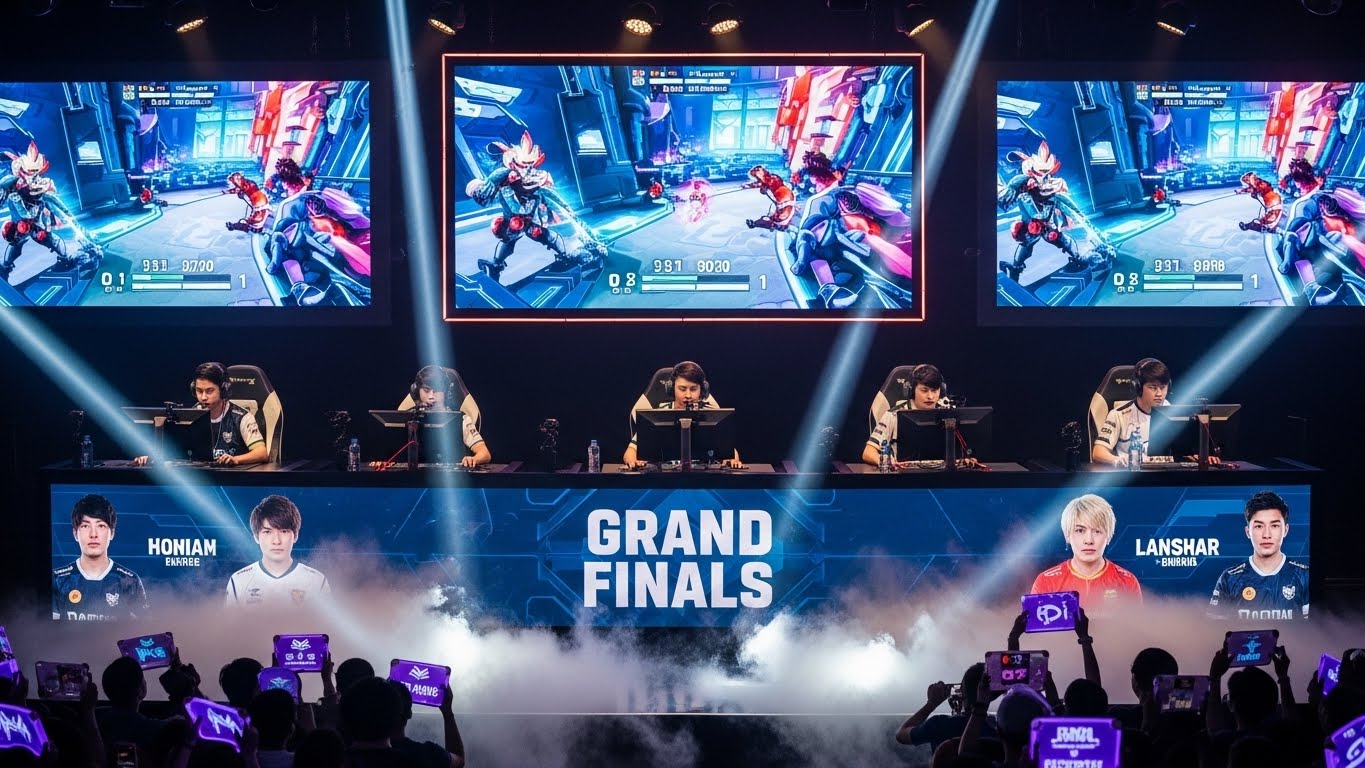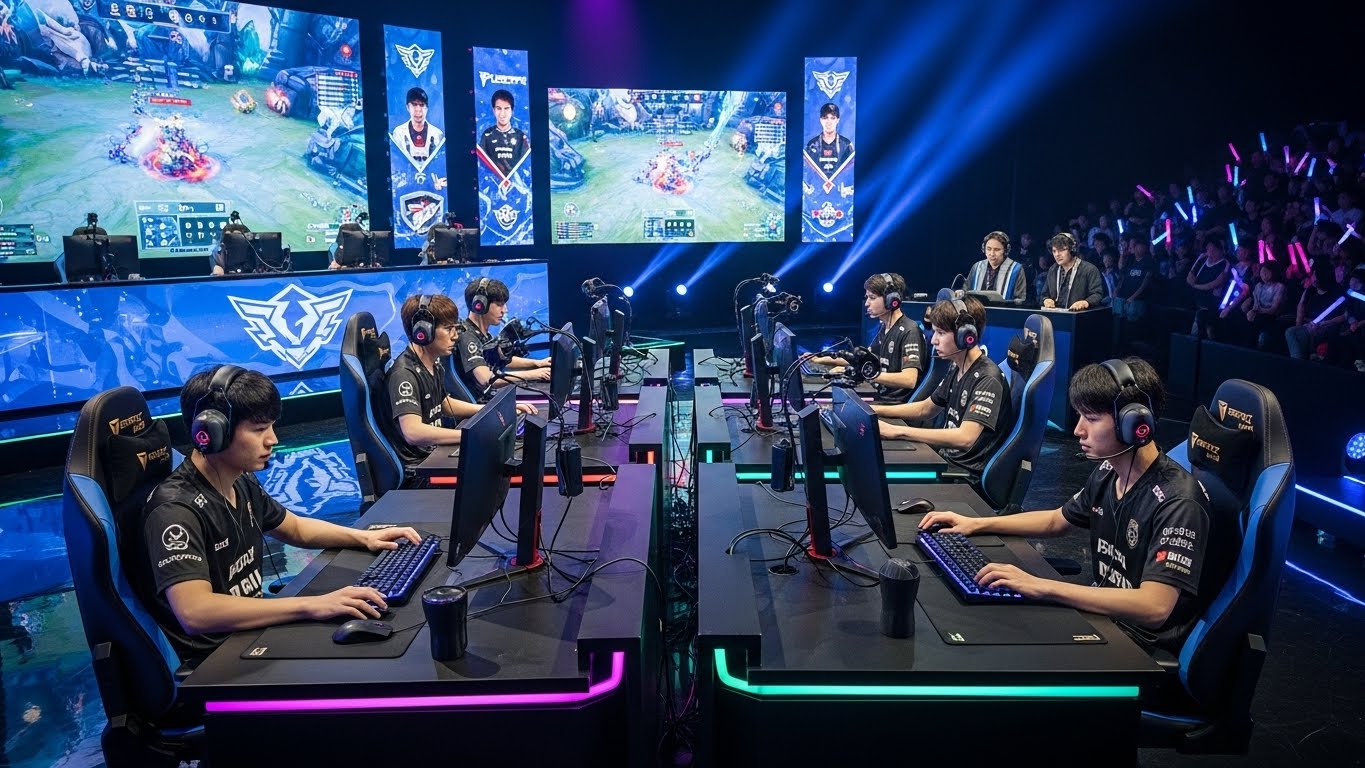
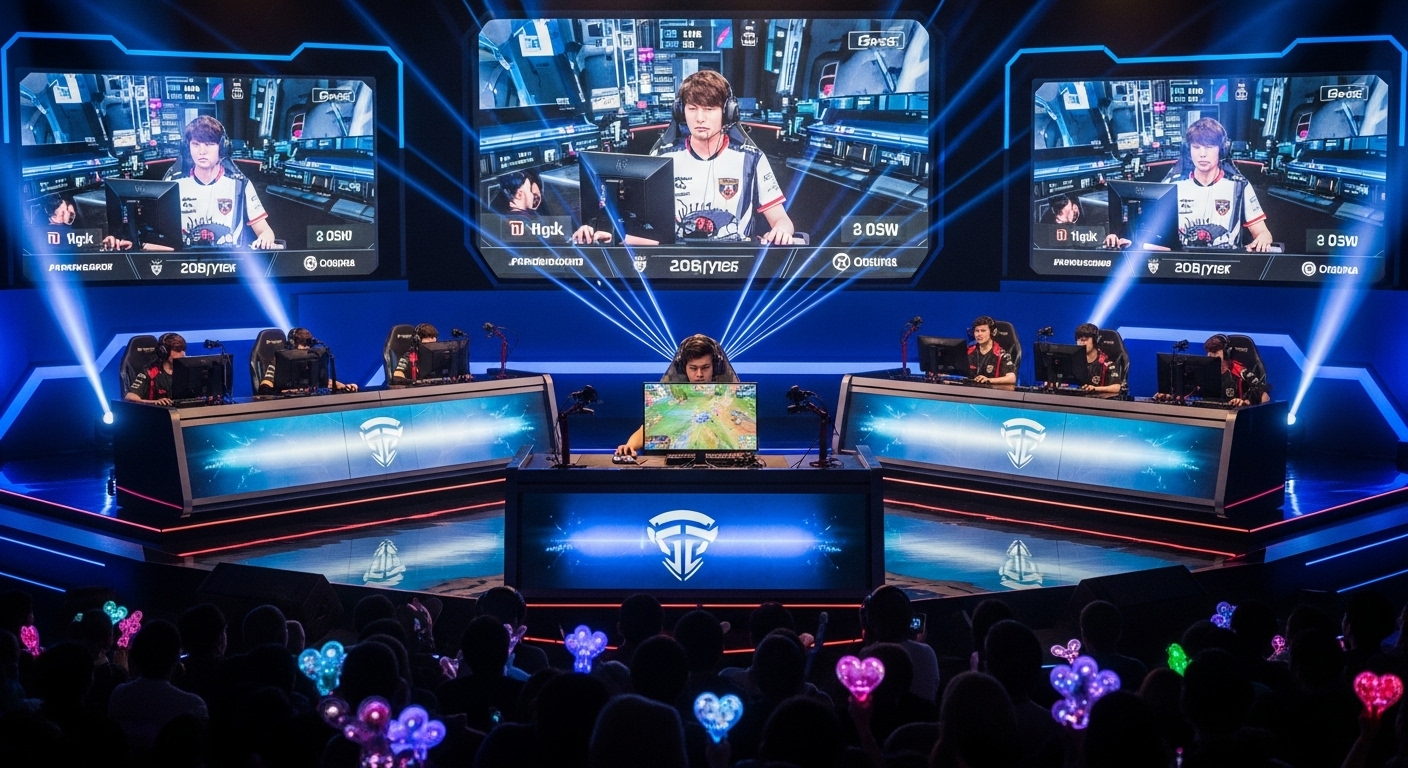
In recent years, esports has evolved from a niche pastime for gamers into a multi-billion dollar global industry. With professional leagues, international tournaments, and a growing fanbase, esports has cemented its place as one of the most exciting and dynamic sectors of modern entertainment. But what is esports, and why has it become so widely popular? This blog delves into the factors behind the meteoric rise of esports, its impact on gaming culture, and how it is transforming the way we view sports and entertainment.
What is Esports?
Esports, short for electronic sports, refers to competitive video gaming where professional players or teams compete against each other in various online and offline tournaments. While competitive gaming has existed for decades, the term “esports” as we know it today began to take shape in the early 2000s. With the rise of multiplayer online games and the increasing accessibility of high-speed internet, players around the world could compete on a global scale. Games like League of Legends, Dota 2, Counter-Strike: Global Offensive, and Fortnite are among the most popular titles in the esports ecosystem.
Esports has now developed into a massive industry with professional players, coaches, analysts, broadcasters, and fans. It encompasses multiple game genres, including first-person shooters, real-time strategy, battle royales, and sports simulation games. Esports events are held year-round, culminating in major tournaments with prize pools that can reach millions of dollars.
The Growth of Esports: Key Milestones
The rise of esports can be traced back to several pivotal moments that helped bring competitive gaming into the mainstream.
1. Early Beginnings and the Birth of Professional Gaming
Esports has roots that stretch back to the 1990s when players started competing in games like StarCraft and Quake. Early competitions were small, local LAN (local area network) events that were primarily driven by the passion of gamers. However, these humble beginnings laid the foundation for what was to come.
The real breakthrough came in 2000 when Major League Gaming (MLG) was founded in the United States. MLG brought a level of organization and professionalism to competitive gaming, hosting tournaments with cash prizes. During this time, the competitive gaming scene began to build momentum, and gamers were no longer just hobbyists but athletes in their own right.
2. The Launch of Online Gaming and Streaming Platforms
The mid-2000s saw the rise of online multiplayer games like World of Warcraft, League of Legends, and StarCraft II, which allowed players to compete on a global scale. With the help of high-speed internet, gaming no longer required physical proximity, enabling competitions to take place between teams and players from different countries.
Parallel to this, the development of streaming platforms like Twitch (launched in 2011) allowed gamers to broadcast their gameplay live to an audience. This significantly boosted the visibility of esports, as fans could now watch tournaments, engage with players, and follow their favorite teams and events in real-time. Twitch became the epicenter of the esports community, and its success was a catalyst for the explosive growth of esports as a spectator sport.
3. The Emergence of Major Tournaments and Sponsorship Deals
By the 2010s, esports was firmly established as a legitimate sport. Major tournaments such as the League of Legends World Championship and The International Dota 2 Championship began to offer prize pools that rivaled those of traditional sports. The 2018 International Dota 2 Championship, for instance, featured a prize pool of over $25 million, a staggering amount that demonstrated just how far esports had come.
Alongside this growth, sponsorships from major brands such as Intel, Coca-Cola, and Red Bull began flooding the scene. These partnerships further legitimized esports as a mainstream industry, with sponsorships providing financial backing for teams, events, and players. Companies like Nike and Adidas also started creating esports-focused gear and apparel, solidifying esports as a recognized part of popular culture.
Esports and Its Impact on Gaming Culture
Esports has not only transformed the gaming industry but has also influenced wider aspects of gaming culture.
1. From Casual Play to Competitive Excellence
In the early days of gaming, the primary focus was on casual play, where players simply enjoyed games for entertainment. However, with the rise of esports, a shift occurred. Players now aim to master their favorite games at a professional level, dedicating hours of practice to perfect their skills. This transition has led to the creation of esports academies and coaching programs designed to nurture talent from a young age.
For many players, professional gaming is now seen as a viable career path. The success stories of top esports athletes who earn six-figure salaries have inspired countless young gamers to pursue their passions. Esports has also opened up avenues for non-players to get involved, such as coaches, analysts, shoutcasters (commentators), and event organizers, creating a diverse ecosystem around the industry.
2. The Rise of Esports Streaming and Content Creation
The popularity of platforms like Twitch has led to the rise of content creators who not only compete in tournaments but also stream their gameplay for millions of fans worldwide. These streamers have built massive followings, creating their own personal brands and even collaborating with sponsors.
The interaction between streamers and their fans has become a key aspect of esports culture. Fans can watch players in real-time, chat with them, and even donate to their favorite creators. This sense of community has played a vital role in the growth of esports, making it more than just a competitive pursuit but also an entertainment medium in its own right.
3. Breaking Cultural and Geographic Boundaries
Esports has a unique ability to transcend cultural and geographic boundaries. Unlike traditional sports that often face regional limitations, esports allows players from all over the world to compete against each other in a virtual arena. This global reach has resulted in the rise of international esports teams that represent various countries, bringing together diverse cultures and perspectives.
Moreover, esports has helped to change the perception of gaming, particularly in countries where gaming was once considered a subculture or even a negative influence. Nations like South Korea and China have become hubs for esports, with players treated as celebrities. In these countries, esports is seen not just as a game but as a career, and governments have even stepped in to support the industry with grants and funding.
The Future of Esports: A Billion-Dollar Industry
The future of esports looks incredibly bright, with projections suggesting that the industry could reach a value of over $3 billion by 2025. Several factors are driving this growth.
1. Mainstream Media and Esports Broadcasting
Esports is gradually being integrated into mainstream media. Major broadcasters like ESPN and Fox Sports have begun airing esports tournaments, while online streaming platforms like YouTube Gaming and Facebook Gaming have been expanding their esports coverage. The rise of esports as a form of entertainment has caught the attention of traditional sports networks, and as a result, esports is finding its place alongside traditional sports in the media landscape.
2. The Expansion of Mobile Esports
As mobile gaming continues to rise in popularity, mobile esports is expected to become an increasingly important segment of the industry. Games like PUBG Mobile and Mobile Legends have already begun to host tournaments with impressive prize pools, and mobile esports events are gaining traction in regions like Southeast Asia, where mobile gaming is widespread.
Mobile esports opens the door to a new generation of players who may not have access to high-end gaming PCs or consoles, making competitive gaming more accessible to a global audience.
3. Integration with Traditional Sports
Esports is also starting to overlap with traditional sports. Major sports franchises are investing in esports teams and leagues, and some professional athletes, like Shaquille O’Neal and Michael Jordan, have even entered the esports world through investments or partnerships with esports organizations. The increasing convergence between traditional sports and esports will likely drive further growth and visibility for the industry.
4. The Potential of Virtual Reality (VR) and Augmented Reality (AR)
In the long term, VR and AR technologies may revolutionize esports by offering immersive experiences that bring players and fans closer than ever before. The potential for creating more interactive and dynamic tournaments could attract a new wave of viewers, and the integration of VR and AR could even change the way games are played and experienced.
Conclusion: The Future is Now
Esports has come a long way from its humble origins as a hobbyist activity to a fully-fledged global industry. With professional players, large-scale tournaments, lucrative sponsorships, and a passionate fanbase, esports is transforming entertainment as we know it. Whether you’re a player, a fan, or someone just discovering esports, one thing is clear: esports is here to stay, and its growth shows no signs of slowing down. As the industry continues to evolve, it will undoubtedly bring new opportunities, innovations, and experiences to the world of gaming and entertainment.