Introduction: A New Era of Entertainment
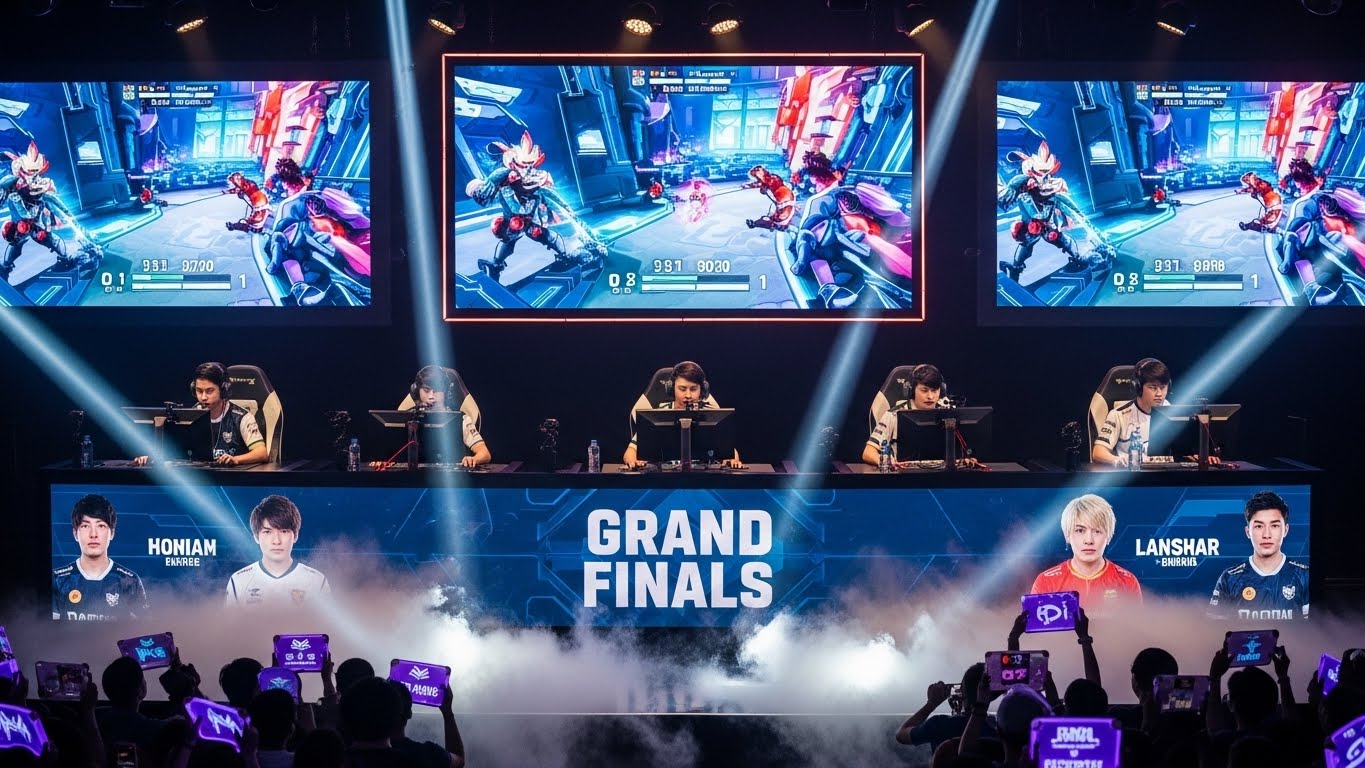
Esports, once seen as a niche hobby for a select group of gamers, has exploded into a global phenomenon. Over the past decade, competitive video gaming has evolved into an industry that rivals traditional sports in both viewership and revenue. From its humble beginnings in local tournaments to massive global competitions broadcasted to millions, esports has captured the imagination of people worldwide. Whether it’s the adrenaline of a high-stakes match or the thrill of watching a favorite team battle it out in a live-streamed tournament, esports has transformed the landscape of entertainment. But how did we arrive at this point, and what does the future hold for the world of esports?
The Origins of Esports: From Arcade Games to Online Tournaments
Esports didn’t start with the flash of big tournaments or the spectacle of professional leagues. It began in the 1970s and 1980s, when competitive gaming was mostly limited to arcade games like Pong and Space Invaders. The first recognized gaming competition took place in 1980 with the Space Invaders Championship, where players competed for a grand prize of $1,000. This was a sign of things to come, though it wasn’t until the late 1990s and early 2000s that esports truly began to take form with the advent of online multiplayer games. Titles like StarCraft and Quake paved the way for large-scale competitions, especially in South Korea, where gaming culture took root. By the early 2000s, dedicated esports events were drawing massive audiences, and the industry began to show its potential.
Esports and the Digital Age: Streaming Platforms and Global Reach
The rise of streaming platforms like Twitch and YouTube revolutionized the way esports could be experienced. Where once fans would have to attend live events to catch the action, now they could watch every match from the comfort of their homes. Twitch, founded in 2011, quickly became the go-to platform for streaming esports events and gaming content, bringing together gamers and fans from all over the world. This shift to online viewing was a game-changer, not just for fans but for players and sponsors as well. The ease of access meant that tournaments could now reach a global audience, elevating esports to the level of mainstream entertainment.
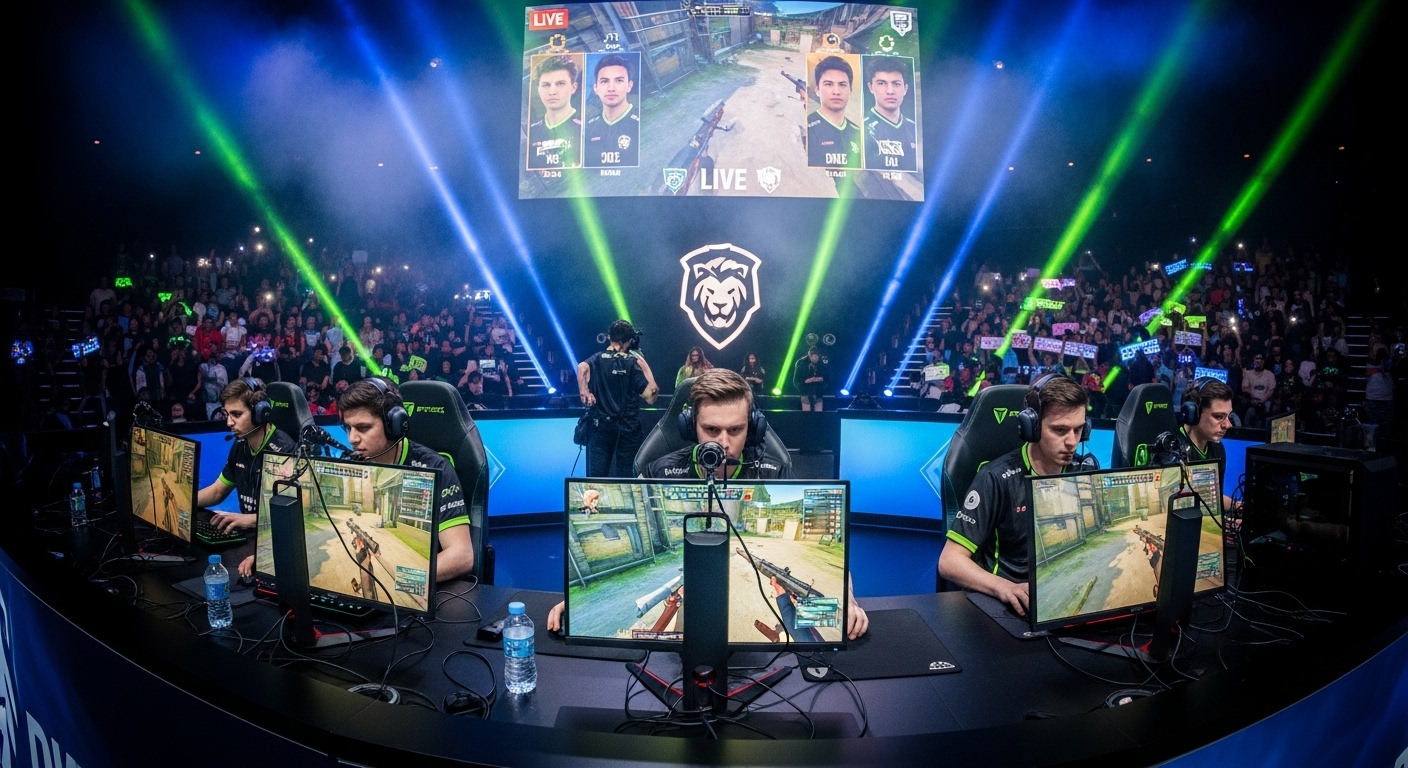
The global reach of esports is undeniable. Major tournaments are now broadcast in multiple languages, with viewers tuning in from all corners of the world. Events like The International for Dota 2, League of Legends World Championship, and CS:GO Majors attract millions of viewers each year. These events have become cultural touchstones, with viewership often surpassing traditional sports events, especially among younger audiences. The power of streaming has also paved the way for the rise of esports influencers—popular gamers who entertain and interact with their audience while building substantial followings on platforms like Twitch, YouTube, and social media.
The Esports Industry: A Multi-Billion Dollar Economy
Esports is now a billion-dollar industry, with revenue streams coming from a variety of sources. Sponsorships are a significant part of the financial ecosystem, as big-name companies in tech, energy drinks, and gaming peripherals see the value in associating with esports. Brands like Intel, Red Bull, Coca-Cola, and Monster Energy have long partnered with esports organizations and tournaments, helping fund events and ensuring their continued growth. The prize pools for major esports tournaments have also reached staggering heights. The International 2018, for example, boasted a prize pool of over $25 million, primarily funded through crowdfunding by the Dota 2 community.
In addition to sponsorships and prize money, esports has tapped into merchandising, advertising, and media rights. Streaming platforms, ticket sales for live events, and esports betting have all contributed to making esports one of the most profitable sectors in the entertainment industry. The economic impact of esports goes far beyond just the players and organizers—it includes jobs in broadcasting, event management, marketing, and more. The rise of professional esports teams has also created opportunities for players to turn their passion into a full-time career, earning salaries, endorsements, and streaming revenue.
Professional Esports: From Hobby to Career
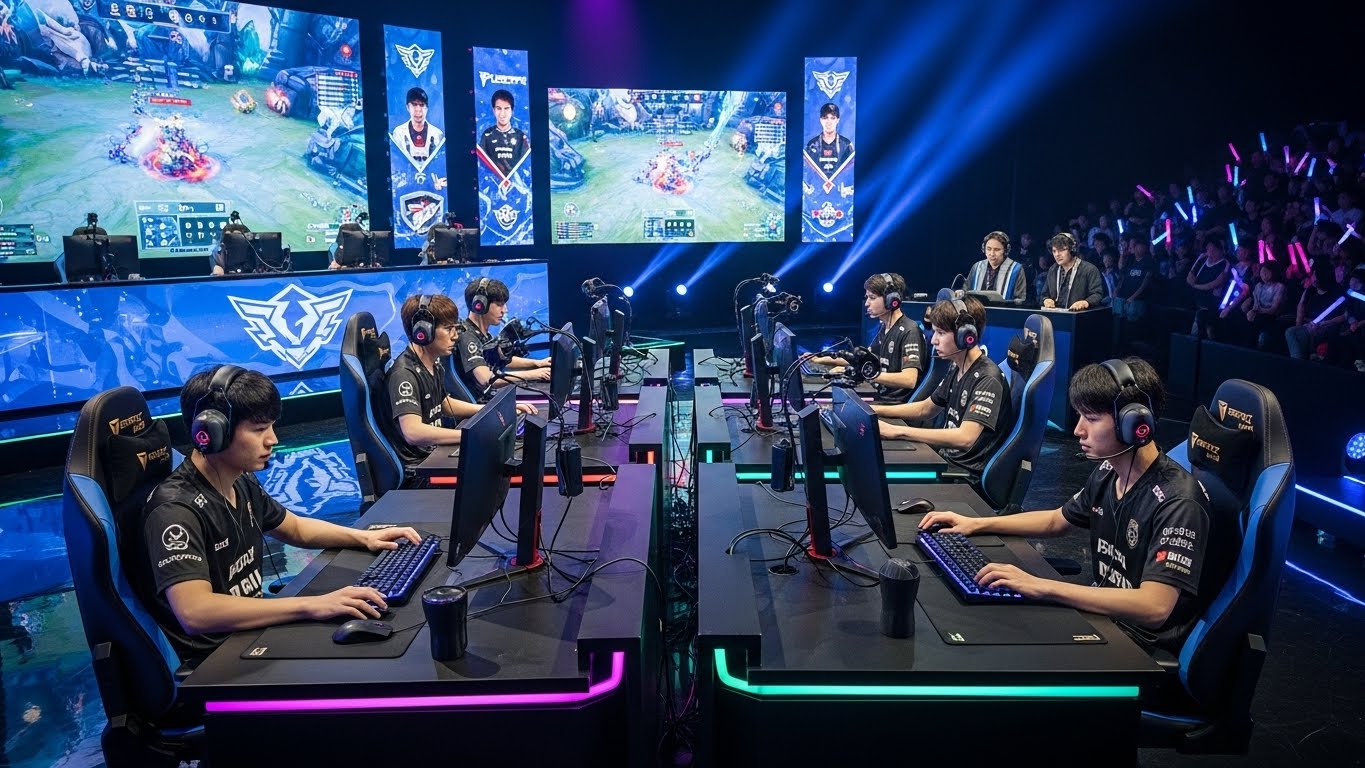
One of the most remarkable developments in the esports landscape is the transformation of competitive gaming from a hobby into a legitimate career. Players who once competed for fun can now earn substantial incomes through sponsorships, tournament winnings, and streaming. Top players are treated as celebrities in their own right, with fans, endorsements, and media coverage. Esports athletes often receive the same recognition as professional athletes in traditional sports, with their likeness appearing in promotional material, advertisements, and gaming-related content.
Esports organizations have also become increasingly professional, adopting similar structures to traditional sports teams. These organizations recruit players, provide coaching and management, and even organize training camps and boot camps to help players improve their skills. Teams are now sponsored by major brands, and players often sign contracts with these organizations, which may include salaries, performance bonuses, and perks. Just like traditional sports, professional esports players face the pressure of maintaining peak performance, often leading to intense training schedules and the need to constantly adapt to changing game mechanics.
The Psychology of Esports: What Makes a Champion?
Esports may seem like a purely physical activity, but the mental aspect is just as important—if not more so. The best esports players are not just skilled with a mouse and keyboard but also excel in strategic thinking, teamwork, and psychological resilience. In games like League of Legends, Counter-Strike, and Overwatch, success requires both individual brilliance and the ability to collaborate effectively with teammates. The most successful players are often those who can stay calm under pressure, make quick decisions, and maintain focus during long, grueling matches.
Mental fortitude is a crucial element in esports. Players train for hours each day, improving their reflexes, understanding the meta-game, and developing teamwork strategies. Much like traditional athletes, esports players must manage stress, avoid burnout, and deal with the pressure of high-stakes competition. To help with this, many esports organizations now employ sports psychologists and trainers who work on players’ mental health, mindfulness, and performance optimization. The psychological demands of esports are immense, and a player’s ability to cope with the mental challenges can often determine their success or failure.
The Role of Esports in Youth Development
Esports has become more than just a form of entertainment for many young people; it’s a platform for developing important life skills. Competitive gaming helps improve cognitive abilities, including problem-solving, multitasking, and critical thinking. Games like StarCraft and Dota 2 require players to make complex decisions in real-time, helping them develop quick decision-making skills. Additionally, esports fosters communication and teamwork, as most modern games are team-based, requiring players to strategize and work together to achieve common goals.
Beyond skills related to the game itself, esports teaches valuable lessons in discipline, time management, and sportsmanship. Many esports athletes begin their careers at a young age, balancing training and competition with their education. This teaches young players how to manage their time effectively and prioritize tasks. Furthermore, esports can provide a sense of community and belonging for those who may not connect with traditional sports or activities. Online gaming communities often become a second home for players, where they can bond over shared interests and support each other through challenges.
The Future of Esports: Innovation and Global Expansion
Esports is on a trajectory of continued growth and innovation. As technology advances, so too does the world of competitive gaming. Virtual reality (VR) and augmented reality (AR) are set to revolutionize esports by creating even more immersive and interactive experiences. Games that incorporate VR could transform the spectator experience, allowing fans to feel like they are actually inside the game. The integration of blockchain technology could also change how esports tournaments are organized, providing new ways for players to earn money and own digital assets.
The expansion of esports into new regions is another key factor in its future growth. While esports is currently most popular in North America, Europe, and Asia, there are growing communities in Africa, Latin America, and the Middle East. The accessibility of online platforms has made it easier for players from around the world to compete, creating a truly global scene. International tournaments are now drawing players from all corners of the globe, helping to spread esports culture and build new fan bases.
Esports and Traditional Sports: A Growing Partnership
One of the most exciting aspects of esports is its collaboration with traditional sports. Major professional sports leagues, such as the NBA, NFL, and even FIFA, have recognized the potential of esports and have begun investing in gaming-related ventures. The NBA has its own esports league, the NBA 2K League, where players compete in the video game NBA 2K. Soccer clubs like FC Barcelona, Manchester City, and Paris Saint-Germain also have their own esports teams, often competing in FIFA tournaments. These partnerships have helped bridge the gap between esports and traditional sports, attracting a wider audience and bringing new legitimacy to competitive gaming.
Conclusion: The Unstoppable Growth of Esports
Esports is no longer just a passing trend; it is a cultural and economic powerhouse that continues to reshape the landscape of entertainment. The industry has evolved from local tournaments into a global ecosystem of professional players, organizations, brands, and fans. Esports offers entertainment, career opportunities, and life skills to millions, and its future looks incredibly promising. With the rise of technology, new gaming platforms, and increasing global interest, esports is poised to become an even more integral part of mainstream culture. Whether you’re a casual gamer, a fan, or an aspiring professional, esports is a world where everyone can be part of something bigger—and the journey is just beginning.