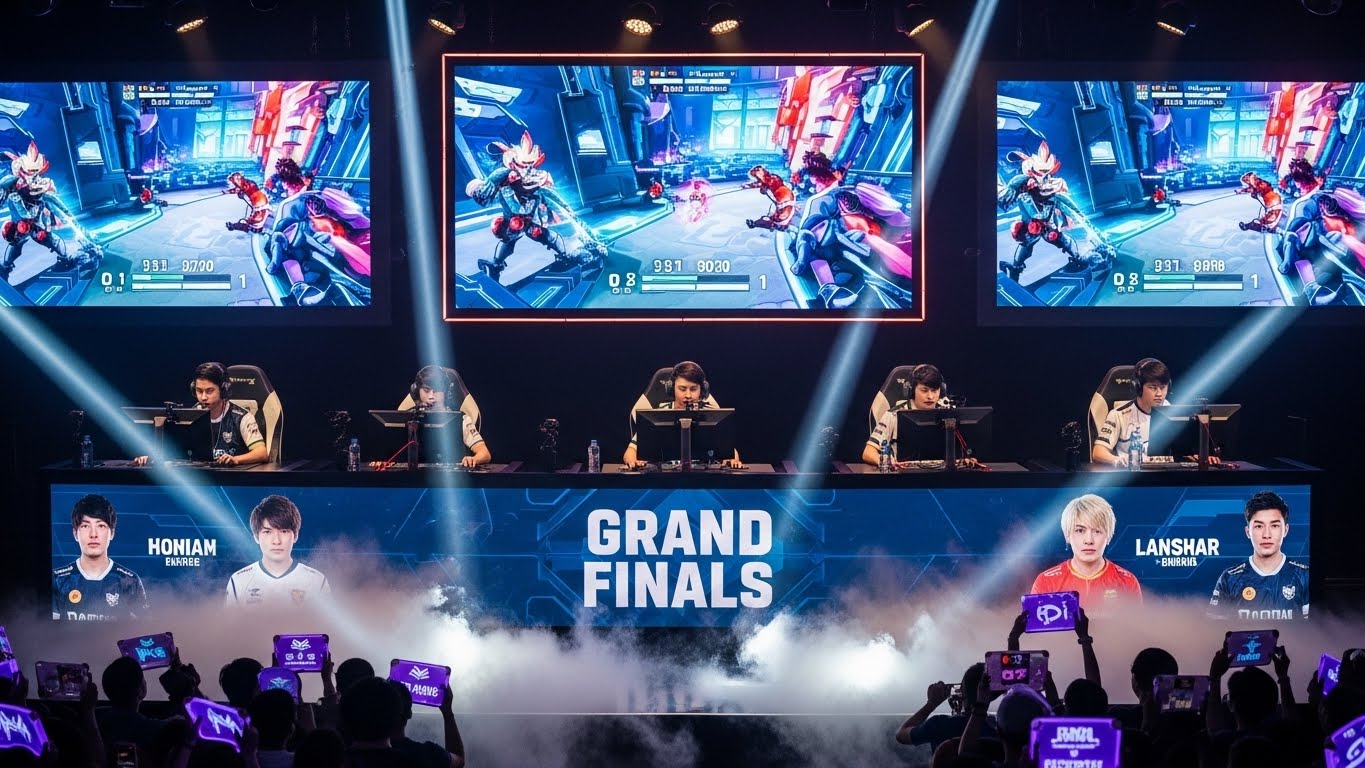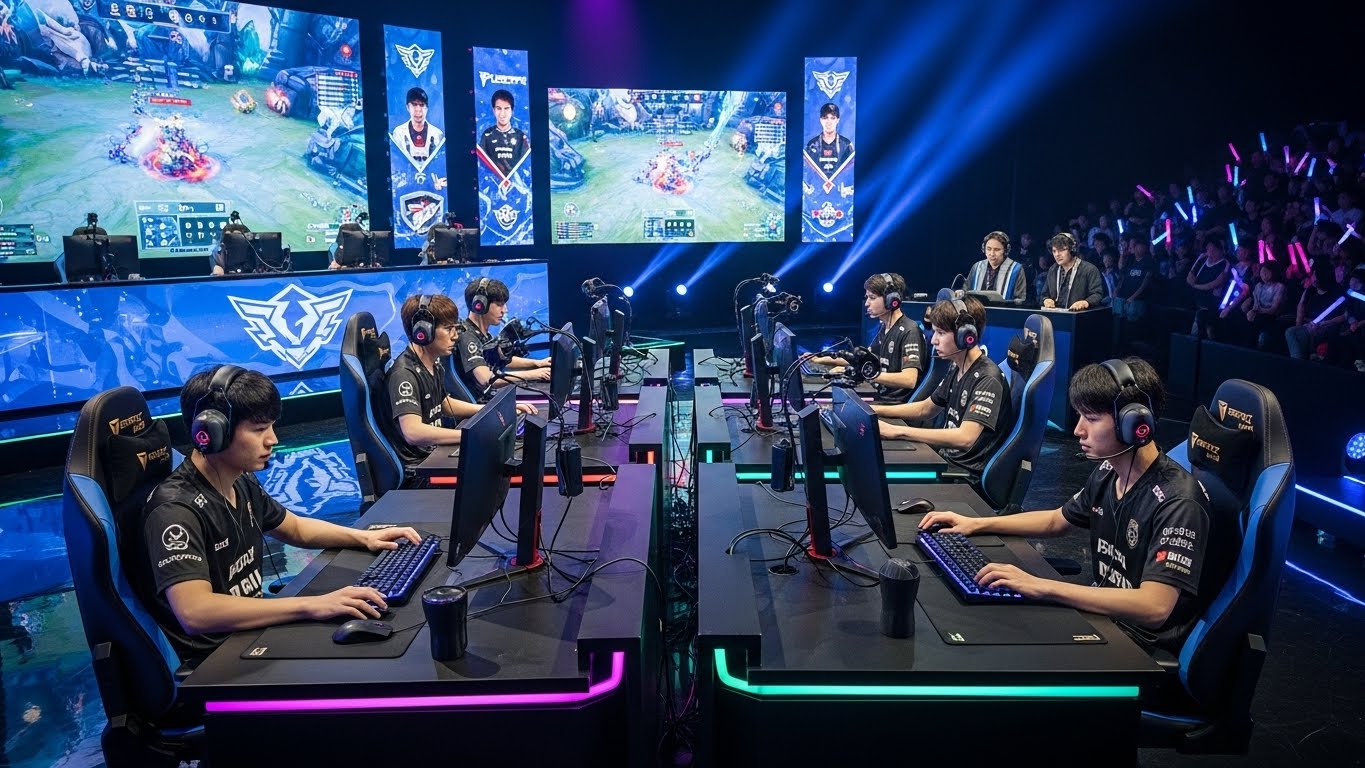
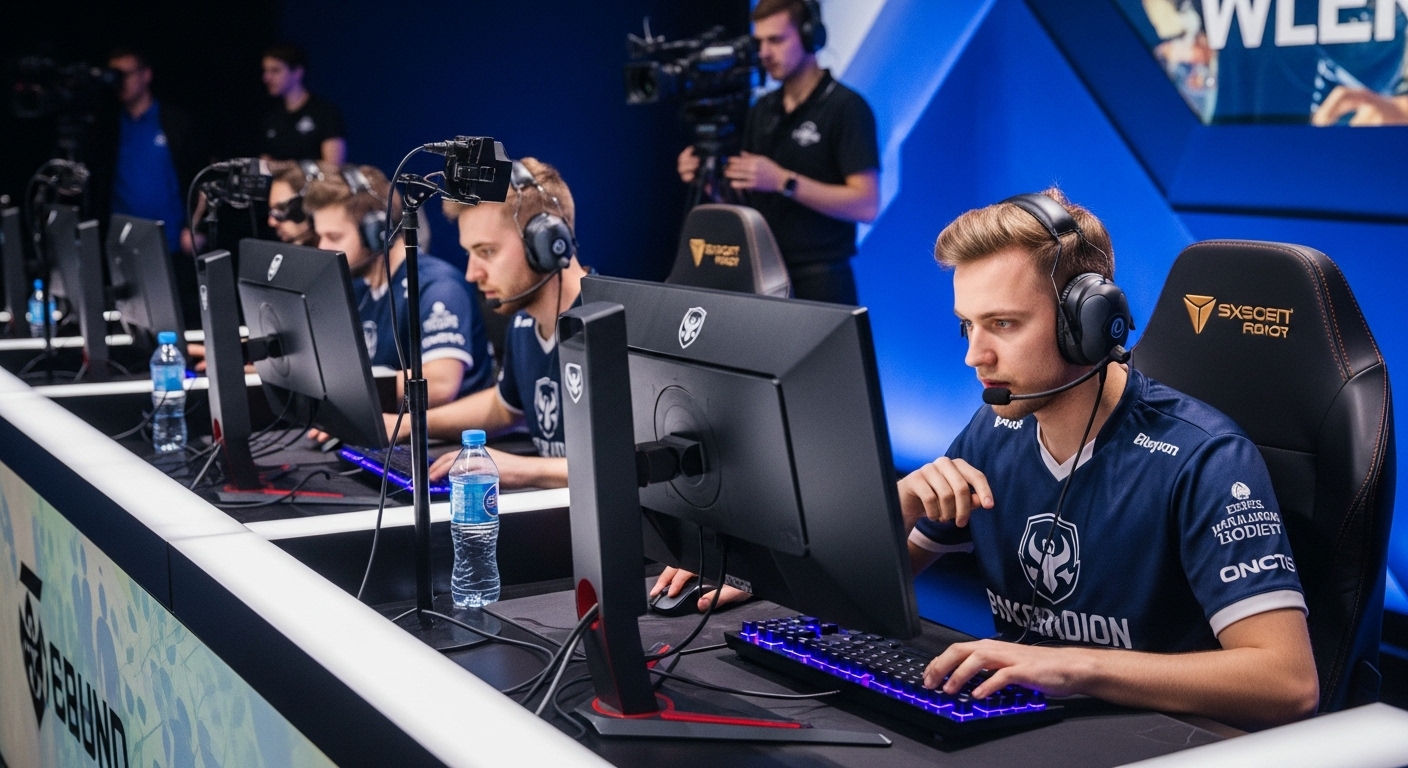
In recent years, one of the most exciting and transformative sectors in the entertainment and sports world has been the rise of esports. What was once considered a niche hobby for a small community of gamers has evolved into a global phenomenon with millions of fans, professional athletes, and multi-million dollar prize pools. Esports, or electronic sports, has moved beyond casual play and is now a major industry with huge implications for how we view competition, entertainment, and digital culture. In this blog post, we’ll explore the growth of esports, how it has reshaped the concept of competitive gaming, and what the future holds for this rapidly growing sector.
The Origins of Esports: From Arcade Games to International Tournaments
The history of esports can be traced back to the 1970s when video games first became a form of entertainment. Early arcade games like Space Invaders and Pong introduced the concept of competition within gaming, allowing players to challenge each other for high scores. However, it wasn’t until the 1990s with the advent of personal computers and the internet that competitive gaming began to take shape in its modern form.
In the early days of online multiplayer gaming, games like Quake and StarCraft became pivotal in building the foundation of esports. These games allowed players to connect over local area networks (LANs) and compete against each other in real-time. The concept of organized tournaments began to take root, and fans started to watch live competitions. The very first esports tournaments took place in small venues, often with limited spectators, but the potential for competitive gaming was undeniable.
By the early 2000s, gaming communities and tournaments began to form, and the industry began to gain traction. In South Korea, StarCraft became a national obsession, leading to the creation of professional leagues and televised gaming events. This was a turning point, as esports began to gain legitimacy and visibility beyond the gaming community.
The Rise of Professional Gaming: Turning Play Into a Career
What was once a recreational activity has now transformed into a professional career for thousands of gamers worldwide. The idea of being a professional gamer—one who trains, competes, and earns money for their skills—has become a reality. Today, professional esports athletes are just as dedicated as traditional athletes, spending hours each day practicing, studying opponents, and perfecting their strategies.
The level of commitment required to succeed in esports is immense. Professional players often train for 8-10 hours a day, working with coaches, analysts, and other staff members to improve their gameplay. Just like in traditional sports, there is a growing support system around professional gamers, including team managers, nutritionists, psychologists, and marketing teams to ensure that players perform at their best.
For many players, esports offers the potential to earn substantial amounts of money. Major tournaments often have prize pools in the millions of dollars, and top-tier players can make a living from sponsorships, endorsements, and streaming revenue. The rise of platforms like Twitch has allowed gamers to monetize their content, while companies like Razer, Logitech, and Red Bull sign sponsorship deals with high-profile players and teams.
The lifestyle of a professional gamer has become increasingly glamorous, with sponsorships from global brands and recognition from mainstream media. What was once seen as a hobby is now a legitimate career path, and for some, it’s a way to become a global celebrity within the gaming community.
Popular Games That Defined Esports
One of the most exciting aspects of esports is the sheer variety of games that fall under its umbrella. Each genre has its own competitive ecosystem, attracting a dedicated fan base and professional player community. Some games have become iconic within the world of esports, each offering a unique experience for players and spectators alike.
League of Legends is perhaps the most famous esports title in the world. Developed by Riot Games, League of Legends (LoL) is a multiplayer online battle arena (MOBA) game that has grown into one of the most successful esports franchises in history. The League of Legends World Championship, which takes place every year, attracts millions of viewers and boasts a prize pool of over $2 million. LoL’s competitive circuit includes regional leagues, where teams compete for a chance to qualify for the global championship.
Dota 2, another MOBA, has also become a mainstay in the esports scene, with its annual tournament, The International, offering one of the largest prize pools in esports history. What sets Dota 2 apart is its complexity and depth, which attracts a loyal and highly skilled player base. The International has become a hallmark event for esports fans, with prize money often exceeding $30 million.
Counter-Strike: Global Offensive (CS:GO), a first-person shooter, is another game that has become synonymous with esports. The game’s tactical, team-based gameplay has made it a staple for competitive players. The CS:GO Major Championships are some of the most prestigious tournaments in the esports calendar, attracting top-tier teams from around the world.
Other notable esports titles include Fortnite, Call of Duty, Valorant, and Overwatch. These games have each made their own mark on the esports landscape, with large followings and competitive leagues of their own.
Streaming and Its Role in Esports Growth
One of the driving forces behind the explosive growth of esports has been the rise of live streaming platforms. In particular, Twitch has played a pivotal role in bringing esports to the masses. By allowing viewers to watch live gaming events from the comfort of their homes, streaming platforms have made esports more accessible than ever before. Fans can tune in to watch matches, interact with commentators, and engage with players in real time through live chat.
Streaming has also given birth to a new form of celebrity: the esports streamer. Professional gamers, commentators, and content creators can now stream their gameplay live to millions of followers, earning revenue from subscriptions, donations, and sponsorships. Some streamers have become household names, building a personal brand that extends beyond gaming. These influencers contribute significantly to the overall popularity of esports by creating engaging content and interacting with their fanbase.
Moreover, the integration of streaming has also created a more interactive fan experience. Viewers are not just passive spectators—they can influence the narrative by interacting with the stream, participating in discussions, and even donating money to their favorite players or teams. This level of engagement has made esports an entirely new kind of entertainment.
Esports: A Multi-Billion Dollar Industry
Esports is no longer just a niche pastime; it has become a multi-billion dollar industry. The economic impact of esports is significant, and the sector continues to grow. Esports tournaments alone generate millions in revenue, driven by sponsorship deals, media rights, advertising, and ticket sales. Major sponsors like Intel, Coca-Cola, and Nike have invested heavily in esports, recognizing its vast potential to reach younger, digitally native audiences.
Television networks and digital streaming platforms have also recognized the appeal of esports. Broadcasting rights for major tournaments are now sold for significant sums, with tournaments like The International and League of Legends Worlds being broadcast globally to millions of viewers. These events have become major spectacles, drawing audiences comparable to traditional sports events like the Super Bowl or the World Cup.
In addition to sponsorships and broadcasting revenue, esports organizations make money through merchandising, ticket sales for live events, and ticketing for digital content. Fans can purchase team merchandise, exclusive content, and even virtual items for their favorite games. This wide range of revenue streams has allowed esports to become a sustainable and profitable industry.
The Challenges Facing Esports
Despite its rapid growth, the esports industry is not without its challenges. One major issue is the pressure placed on players. Professional gamers often face long hours of practice, travel, and competition, leading to burnout. Many players retire at a young age due to the mental and physical toll of constant competition. There is also a growing concern about the long-term health effects of playing for extended periods.
Another challenge is maintaining the integrity of the sport. Issues like match-fixing, cheating, and doping have occasionally emerged, threatening the credibility of the competitive scene. Developers, tournament organizers, and governing bodies continue to work on implementing better regulations, anti-cheat systems, and ethical guidelines to safeguard the industry.
Additionally, while esports is widely popular in regions like North America, Europe, and East Asia, its presence is still limited in some parts of the world. However, the rise of mobile esports has helped bridge this gap, with titles like PUBG Mobile and Clash Royale gaining traction in developing countries where access to gaming PCs and consoles is limited.
The Future of Esports: Growth, Innovation, and Inclusivity
The future of esports looks incredibly bright. As technology continues to evolve, esports is expected to integrate with emerging innovations like virtual reality (VR), augmented reality (AR), and artificial intelligence (AI), creating more immersive and interactive experiences for both players and fans. These technologies will enhance gameplay, provide more engaging viewing experiences, and open up new avenues for esports events.
Mobile gaming is also expected to play a crucial role in esports’ future growth. As smartphone technology improves, more people across the globe will be able to participate in competitive gaming, further expanding the player base and the audience. The accessibility of mobile gaming also means that esports can reach new demographics in regions where access to traditional gaming setups has been limited.
Another important trend is the increasing emphasis on inclusivity. Esports organizations are working to create more opportunities for women and underrepresented groups in gaming. Leagues, tournaments, and initiatives are being developed to support diversity, making esports a more welcoming space for everyone.