
Introduction
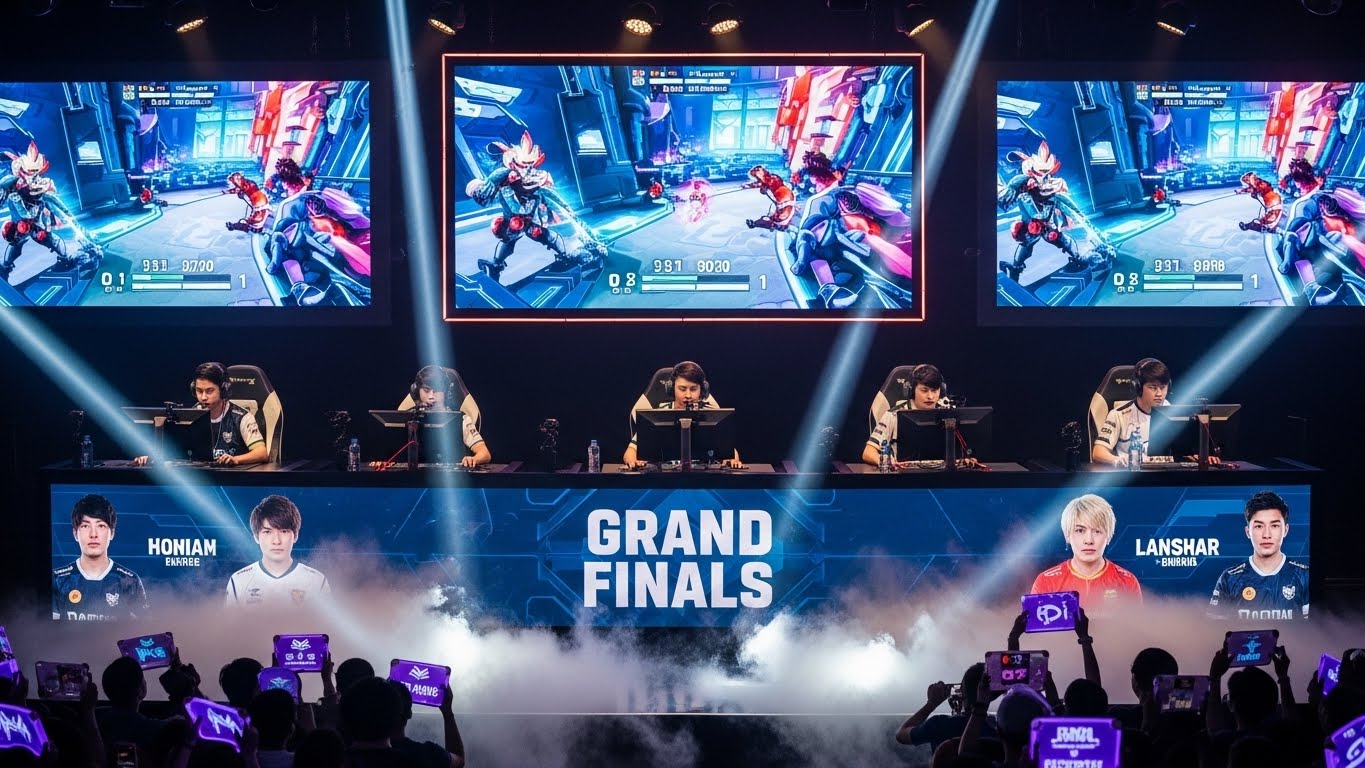
Esports, short for electronic sports, has transformed from niche competitions in arcades and small communities to a global phenomenon attracting millions of players and viewers. Once considered a hobby for enthusiasts, esports is now a professional industry with organized leagues, international tournaments, and multi-million-dollar prize pools. The rise of esports reflects broader changes in technology, entertainment, and culture, highlighting how digital experiences can become mainstream competitive platforms.
The appeal of esports lies in its combination of strategy, skill, teamwork, and spectacle. From fast-paced first-person shooters to complex multiplayer online battle arenas, esports caters to a wide variety of interests and audiences. Beyond gameplay, it encompasses fan communities, streaming culture, sponsorships, and professional career opportunities. This blog explores the history, development, impact, and future of esports while examining its cultural, economic, and social significance.
The Origins of Competitive Gaming
Competitive gaming has existed as long as video games themselves. In the 1980s, arcade competitions allowed players to showcase skills in games like Pac-Man, Donkey Kong, and Space Invaders. Public high scores turned casual gaming into competitive entertainment, sparking excitement among communities.
The 1990s saw the rise of PC gaming, which introduced more complex gameplay and the ability to compete remotely. Games such as Quake, StarCraft, and Counter-Strike allowed players to connect via local networks or the early internet, expanding competition beyond arcades. Players began organizing informal tournaments, and the concept of professional competitive gaming began to take shape.
Early esports relied on dedicated communities to flourish. Even with limited funding or infrastructure, passionate players demonstrated the potential for competitive gaming to evolve into a major entertainment medium.
The Professionalization of Esports
The 2000s marked a pivotal shift as competitive gaming became professionalized. South Korea played a central role, particularly with StarCraft, which became a national obsession. The country developed leagues, televised matches, and gaming arenas dedicated to esports. Top players gained celebrity status, and sponsorships began to pour in, legitimizing gaming as a professional pursuit.
North America and Europe also embraced professional esports with titles such as Counter-Strike, League of Legends, and Dota 2. Professional teams formed with coaches, analysts, and training facilities. Tournaments offered substantial prize money, attracting the best talent from around the world.
Professionalization introduced a career structure for players. Contracts, salaries, sponsorships, and team infrastructure mirrored traditional sports. Tournaments were not just competitions—they were carefully produced events with commentary, stage production, and fan engagement.
Popular Esports Genres
Esports encompasses a wide range of game genres, each attracting dedicated players and audiences. Understanding these genres provides insight into the diversity and growth of the industry.
Multiplayer Online Battle Arenas (MOBAs)
MOBAs such as League of Legends and Dota 2 dominate competitive gaming. Teams of players control characters with unique abilities and work together to destroy the opposing team’s base. MOBAs require strategy, communication, and precise execution, making them highly engaging for both participants and spectators.
First-Person Shooters (FPS)
FPS games like Counter-Strike: Global Offensive, Valorant, and Call of Duty emphasize precision, reflexes, and tactics. Players compete in fast-paced matches where teamwork and individual skill are critical. FPS esports are known for intense, dramatic gameplay and high-stakes tournaments.
Real-Time Strategy (RTS)
RTS games such as StarCraft II focus on resource management, unit control, and strategic planning. Players must make decisions under pressure, combining tactical skill with quick thinking. RTS games laid the groundwork for competitive esports in the early 2000s and continue to influence the industry.
Sports Simulations
Titles like FIFA, NBA 2K, and Madden NFL replicate traditional sports in digital form. These games attract both gaming and sports fans, bridging the gap between real-world athletic competition and esports. Professional leagues and tournaments mirror traditional sports structures, complete with commentary, coaching, and fan engagement.
Battle Royale and Other Genres
Battle royale games such as Fortnite and PUBG challenge players to survive against large numbers of opponents in dynamic environments. These games require adaptability, strategy, and skill under pressure. Other genres, including fighting games, racing simulations, and collectible card games, further diversify the esports ecosystem.
The Structure of Esports Leagues
Modern esports leagues resemble traditional sports in organization and professionalism. Teams compete in structured seasons, leading to playoffs and championship events. Popular leagues include the League of Legends Championship Series (LCS), Overwatch League (OWL), and Call of Duty League (CDL).
Tournaments often combine online qualifiers with live finals, attracting global audiences. Events such as The International for Dota 2 and the Fortnite World Cup offer multi-million-dollar prize pools and live broadcast experiences. Production quality is high, with professional commentary, stage design, and fan interaction, creating a dynamic spectacle.
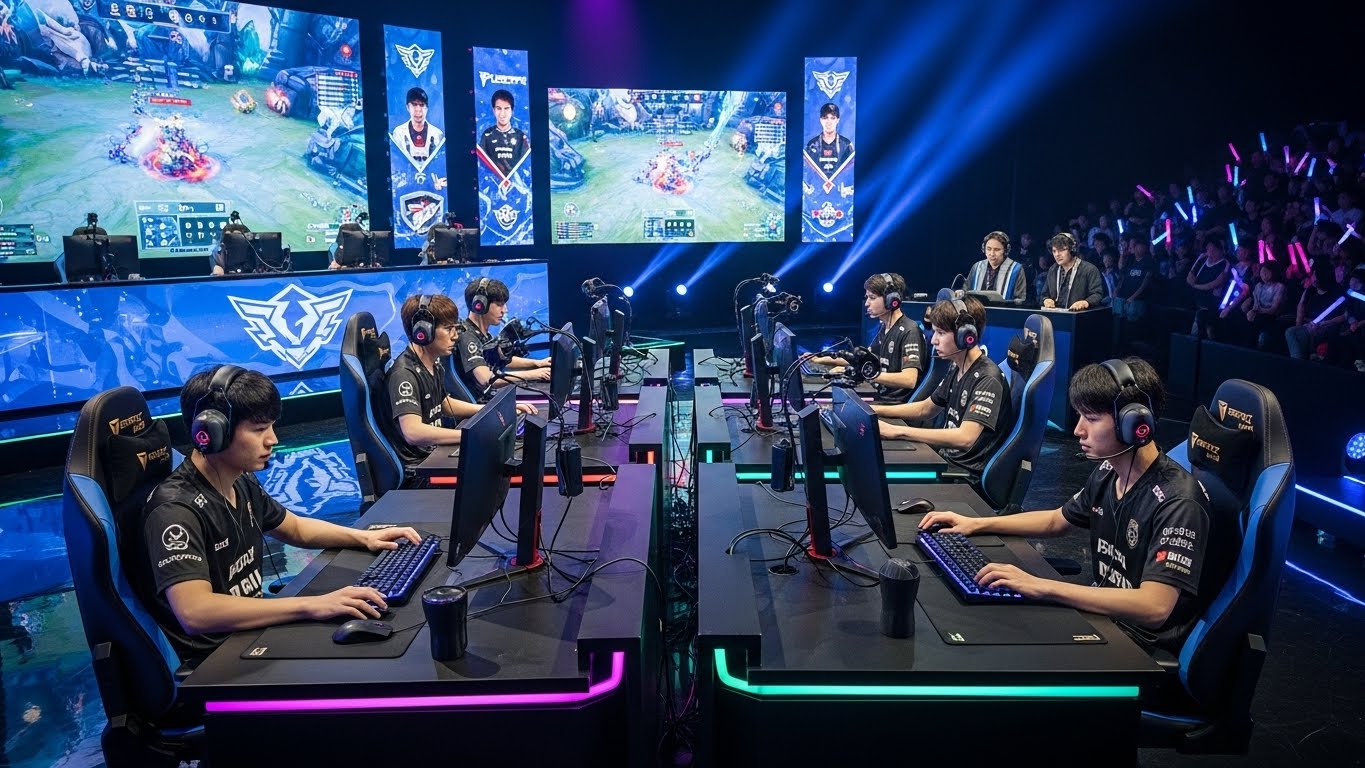
Professional players follow rigorous training schedules. Teams employ coaches, analysts, and support staff to optimize performance. Training involves strategic planning, practice sessions, team coordination, and even physical fitness programs. Esports athletes must maintain mental focus and endurance, highlighting the discipline required for success.
The Business of Esports
Esports is a multi-billion-dollar industry fueled by multiple revenue streams. Sponsorships, media rights, advertising, merchandise, and prize winnings form the economic backbone.
Brands recognize esports as an effective marketing platform. Audiences are primarily young, tech-savvy, and highly engaged, making them a valuable demographic. Sponsors partner with teams, tournaments, and content creators to integrate products authentically within esports culture.
Streaming platforms also drive revenue. Services like Twitch and YouTube Gaming offer live coverage, subscriptions, donations, and ad revenue. These platforms enable creators to monetize content while providing global visibility for tournaments and teams.
Merchandising creates additional revenue. Fans purchase team jerseys, in-game items, and branded peripherals, strengthening their connection to teams and players. The global nature of esports ensures that fan engagement translates into sustainable business growth.
The Role of Streaming Platforms
Streaming is central to esports’ rise. Platforms like Twitch, YouTube Gaming, and Facebook Gaming connect players and audiences in real time. Fans can watch live gameplay, interact with players, and participate in community events.
Streaming has democratized access to esports. Amateur players can showcase talent, build followings, and potentially join professional teams. Content creators and influencers extend the culture, entertaining fans while promoting games, teams, and tournaments.
Commentary, or casting, adds narrative and excitement. Professional casters analyze gameplay, highlight key moments, and provide insights that enhance the viewing experience. The combination of strategy, storytelling, and entertainment makes esports broadcasts compelling for audiences.
Community and Fan Culture
Esports thrives on community. Fans are active participants, engaging through online forums, social media, and fan content. Cosplay, fan art, and community tournaments extend engagement beyond professional play.
Online communities provide support networks, mentorship, and guidance for aspiring players. Community-driven content, discussions, and events create belonging and interaction among fans. Inclusivity is a hallmark of esports, enabling players and fans from diverse backgrounds to participate equally.
The passion of esports communities helps grow the industry. Fans invest time, money, and emotional energy, supporting tournaments, teams, and content creators. This communal aspect distinguishes esports from many other entertainment forms, blending competition with social interaction.
Social Impact of Esports
Esports influences society by challenging traditional notions of sports, skill, and competition. Professional gaming requires mental acuity, teamwork, and strategy, comparable to traditional athletic pursuits.
Career opportunities extend beyond players to include coaches, analysts, event organizers, broadcasters, and content creators. Educational programs and scholarships in esports management and game design demonstrate its legitimacy and cultural relevance.
Esports also fosters charitable initiatives, awareness campaigns, and social engagement. Fundraising tournaments, educational events, and community outreach highlight the positive potential of competitive gaming.
Challenges Facing Esports
Despite rapid growth, esports faces challenges. Player burnout and mental health issues are significant due to intense schedules and performance pressure. Regulatory concerns such as cheating, match-fixing, and fair play must be addressed to maintain credibility.
The commercialization of esports can create tension between financial goals and community values. Maintaining authenticity while scaling globally is a complex balancing act. Infrastructure, access to technology, and regional disparities also present ongoing challenges.
The Future of Esports
The future of esports is promising and multifaceted. Technological innovations such as virtual reality, augmented reality, and AI-driven analytics will enhance gameplay, spectator experience, and training. Esports may evolve into fully immersive experiences, allowing fans to engage in novel and interactive ways.
Global expansion will continue, with emerging markets creating new teams, talent pools, and audiences. Crossovers with traditional sports, entertainment, and education will broaden relevance. Data analytics and AI will refine strategy, optimize training, and elevate competition.
Esports will increasingly blend entertainment, community, and professional competition, solidifying its role as a central pillar of digital culture. Its accessibility, engagement, and potential for growth ensure it will remain a defining element of modern entertainment for decades to come.
Conclusion
Esports has evolved from small competitions to a global entertainment powerhouse. It combines skill, strategy, and spectacle while fostering community and cultural exchange. Professional leagues, tournaments, streaming platforms, and fan engagement create a complex ecosystem that rivals traditional sports.
The industry faces challenges in sustainability, ethics, and mental health, but its potential for growth and influence is undeniable. Esports provides opportunities for careers, entertainment, and community engagement while reflecting technological and cultural shifts.
As esports continues to innovate, expand, and inspire, it remains a dynamic force that blends competition, storytelling, and technology. Its impact on entertainment and society ensures that esports will continue to grow and shape the future of digital culture.