Introduction: The Rise of a Digital Battlefield
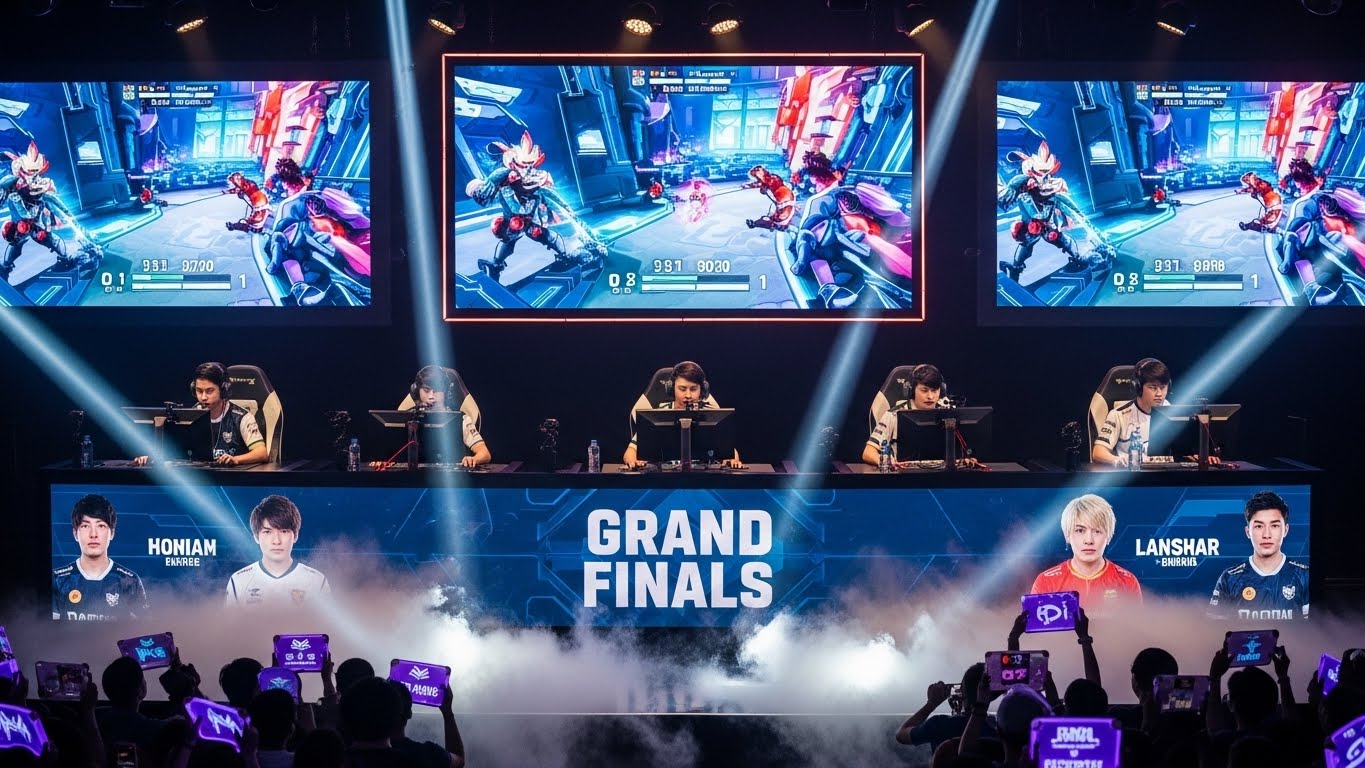
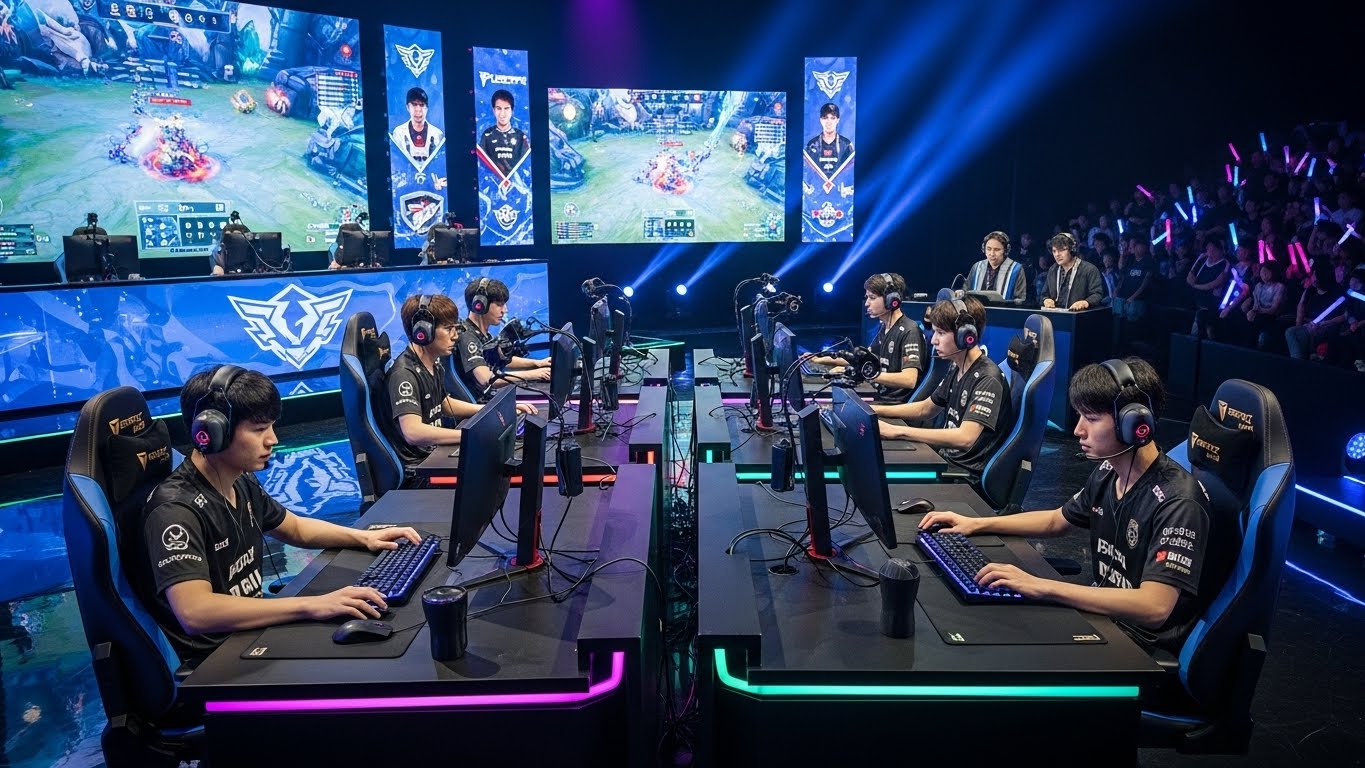
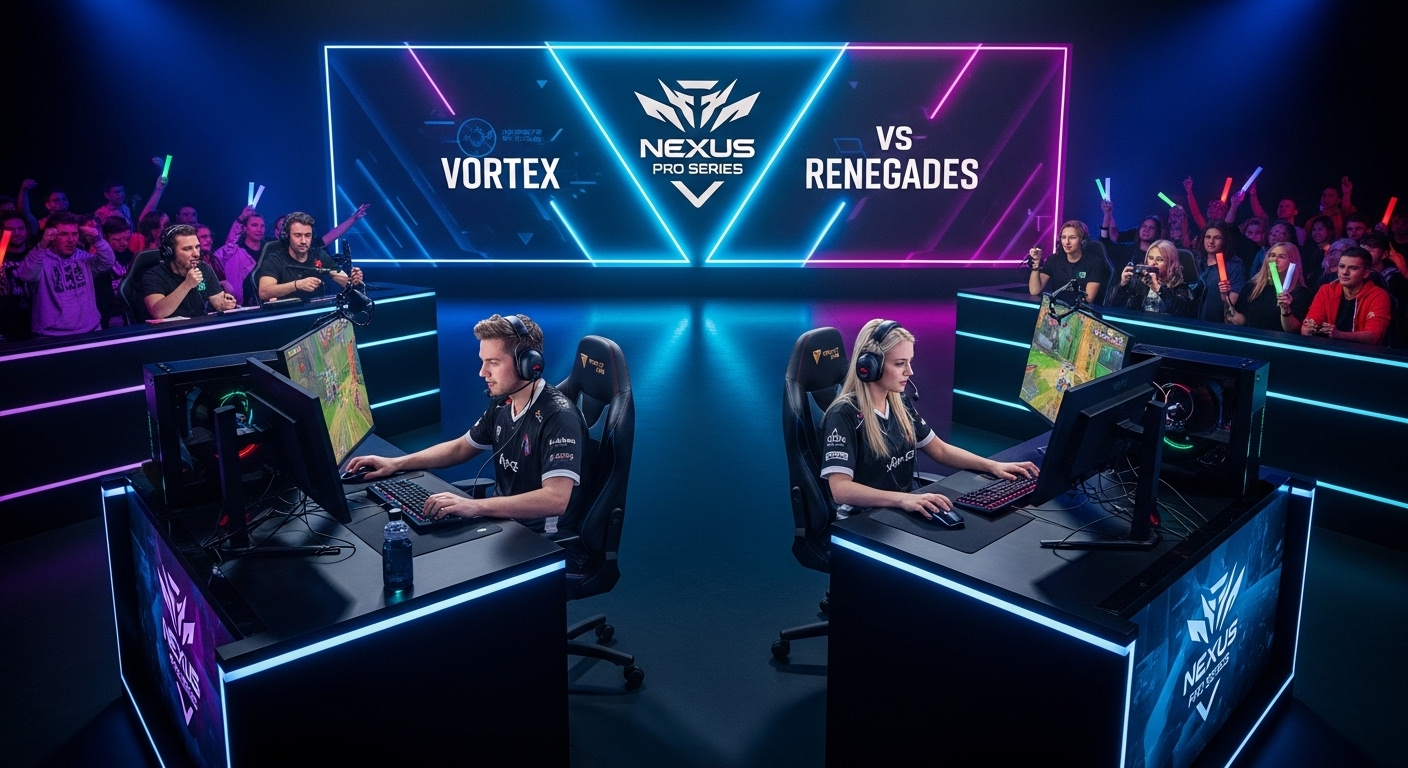
The modern world has seen many revolutions — technological, industrial, and digital. Among them, one of the most surprising yet powerful transformations has been the rise of esports. What was once a hobby confined to basements and cyber cafés has evolved into a global competitive phenomenon. Esports, or electronic sports, refers to organized competitive video gaming where players and teams face off in various titles, often watched by millions of fans around the world. It combines entertainment, technology, and competition in a way that mirrors traditional sports, yet introduces an entirely new digital culture that defines a generation.
The esports industry’s journey from humble beginnings to billion-dollar tournaments is a story of passion, innovation, and globalization. Its growth has challenged old perceptions about gaming and has shown that playing video games can be a serious pursuit, requiring discipline, teamwork, strategy, and skill.
The Origins of Esports
The roots of esports stretch back to the late 1970s and early 1980s, long before the internet or streaming platforms existed. The earliest competitive gaming events were simple arcade challenges, where players competed for the highest scores on machines like Space Invaders and Pac-Man. These early competitions were often local, organized in small gaming centers or university campuses.
In 1980, the first official esports tournament, the Space Invaders Championship, attracted thousands of participants across the United States. It was a landmark event, proving that video games could unite people in competition, even at a time when the concept of multiplayer gaming was still developing.
The 1990s saw another leap forward. With the arrival of home consoles and personal computers, multiplayer gaming became more accessible. Titles like Street Fighter II, Quake, and StarCraft introduced global competition. Local area network (LAN) tournaments became popular, and players started forming teams and clans — the precursors to modern esports organizations.
The Internet Era and Online Competitions
The 2000s marked the true beginning of esports as we know it. The spread of high-speed internet made online gaming more stable and accessible. Games like Counter-Strike, Warcraft III, and Dota gained immense popularity. Players could now compete with opponents across continents without leaving their homes.
At the same time, online communities began to form around these games. Forums, message boards, and early streaming platforms created a new kind of sports fandom — one that was entirely digital. Players were no longer just competitors; they became celebrities in the gaming world. Teams were sponsored, tournaments had prize pools, and companies began to see marketing potential in this emerging industry.
This period also marked the birth of global esports leagues. The Cyberathlete Professional League (CPL) and Major League Gaming (MLG) were among the first to organize structured competitive circuits. For the first time, gaming became a career path for the most talented and dedicated individuals.
The Modern Esports Explosion
By the 2010s, esports had exploded into mainstream entertainment. Live-streaming platforms allowed millions to watch tournaments in real time. Esports events began filling arenas once reserved for basketball or concerts. Major cities hosted international tournaments, and television networks started broadcasting esports matches.
Games like League of Legends, Dota 2, Counter-Strike: Global Offensive, and Overwatch became the backbone of competitive gaming. Their tournaments offered multimillion-dollar prize pools, with world championships drawing viewership comparable to major sporting events.
The League of Legends World Championship, for example, consistently attracts tens of millions of live viewers, with production values rivaling the Olympics or the FIFA World Cup. Esports had officially entered the realm of global entertainment, with sponsors, investors, and media companies rushing to be part of it.
Popular Esports Titles and Their Impact
The esports ecosystem thrives on diversity. Different genres appeal to different audiences, ensuring that nearly every type of gamer can find a competitive scene they love.
League of Legends
One of the most influential games in esports, League of Legends (LoL), transformed the landscape with its structured leagues, professional teams, and global tournaments. The game’s developer, Riot Games, created a model similar to traditional sports, with franchised leagues, player contracts, and regional rivalries.
LoL’s impact is immense. It created professional opportunities for thousands of players, coaches, and broadcasters. Its competitive format emphasizes teamwork, communication, and strategy, making it a perfect spectator sport for both casual fans and hardcore gamers.
Dota 2
Valve’s Dota 2 is another cornerstone of esports. Its flagship tournament, The International, features one of the largest prize pools in esports history — often exceeding tens of millions of dollars. What sets Dota 2 apart is its deep strategic complexity and its passionate community. The game demands exceptional skill and coordination, rewarding precision and tactical brilliance.
Counter-Strike: Global Offensive
Few titles have the legacy and endurance of Counter-Strike: Global Offensive (CS:GO). Since the early 2000s, Counter-Strike has defined the first-person shooter genre in competitive gaming. Its simple but skill-intensive mechanics make it one of the purest tests of reflex, aim, and teamwork.
CS:GO’s esports scene is particularly strong in Europe and North America, with iconic organizations like Fnatic, Astralis, and Natus Vincere shaping its history. Even after more than two decades, Counter-Strike remains one of the most-watched esports in the world.
Fortnite
Fortnite brought a new kind of energy to esports. Combining battle royale gameplay with creativity and pop-culture collaborations, it appealed to younger audiences and casual players alike. The Fortnite World Cup showed that even new genres could produce professional-level competition and star players.
Valorant
Riot Games’ Valorant emerged as a modern tactical shooter combining elements of CS:GO and hero-based games. Within a few years, it built a thriving global esports scene, proving that the appetite for new competitive titles remains strong.
The Professional Esports Ecosystem
The esports industry is not just about players and games — it is an entire ecosystem. Behind every tournament and every broadcast are hundreds of professionals working to keep the system running.
Esports Organizations
Esports organizations function like traditional sports clubs. They sign players, manage training facilities, handle sponsorships, and engage with fans. Organizations like T1, FaZe Clan, G2 Esports, and Team Liquid have become global brands. They not only compete but also produce content, host events, and build loyal communities around their teams.
Coaches and Analysts
Every professional team has a coaching staff responsible for analyzing gameplay, creating strategies, and improving team performance. Analysts study opponent tendencies, review past matches, and develop tactics. Their work behind the scenes often determines whether a team succeeds or fails in competition.
Casters and Commentators
Casters play an essential role in esports entertainment. They bring the matches to life through commentary, explaining complex strategies to audiences and adding excitement to every play. Their passion and energy make them fan favorites, often as famous as the players themselves.
Production and Broadcasting
Esports production has reached cinematic levels of quality. Events feature professional lighting, camera work, stage design, and special effects. High-definition broadcasts, replays, and real-time statistics enhance the viewing experience. The professionalism of esports broadcasts has helped legitimize gaming as a true spectator sport.
The Global Appeal of Esports
One of esports’ greatest strengths is its universality. Unlike traditional sports, which can be limited by geography or physical requirements, esports welcomes anyone with skill and dedication. A player from Seoul can compete against an opponent from Berlin or São Paulo. The only barrier is internet connection and practice.
This inclusivity has allowed esports to thrive worldwide. South Korea was one of the first nations to recognize esports as a professional pursuit, and it remains a global hub for gaming. China, Europe, and North America have also developed strong scenes, while countries in Southeast Asia, the Middle East, and Latin America are rapidly growing in influence.
Cultural diversity is one of esports’ most exciting aspects. Players from different backgrounds bring unique styles and perspectives, creating a global melting pot of strategies and communities.
The Role of Technology in Esports Growth
Technology is the backbone of esports. Without it, the industry would not exist. High-speed internet, powerful gaming hardware, and advanced streaming services have made it possible for millions to compete and spectate seamlessly.
The rise of platforms dedicated to live streaming has been particularly transformative. Fans can watch their favorite players, learn strategies, and interact in real time. This direct connection between professionals and fans has created a level of engagement unmatched by many traditional sports.
Virtual reality and augmented reality are also emerging as the next frontier for esports. They promise to create even more immersive and interactive experiences, where players and audiences can participate in ways never before imagined.
The Business of Esports
The economic impact of esports is enormous. Sponsorships, media rights, advertising, merchandise, and ticket sales all contribute to the growing industry revenue. Brands from every sector — from tech companies to energy drinks and fashion — are investing in esports to reach younger audiences.
Franchised leagues, such as the Overwatch League and Call of Duty League, have adopted models similar to the NBA or NFL, selling team slots and regional franchises. This has brought stability and structure to the industry, allowing investors to confidently fund long-term projects.
Additionally, esports has opened career opportunities beyond competition. Content creators, managers, event planners, and digital marketers all find roles within the esports space, turning it into a multifaceted global economy.
The Psychology and Training Behind Esports
Professional esports players are athletes in every sense — they train for hours each day to perfect reflexes, communication, and mental focus. Top teams have structured practice schedules, including scrimmages, individual training, and strategy sessions.
Mental endurance is critical. Players must stay composed under extreme pressure, maintain discipline, and manage stress during tournaments. Many organizations now employ psychologists and physical trainers to ensure players’ well-being, recognizing that peak performance requires both mental and physical health.
Challenges Facing Esports
Despite its success, esports faces several challenges. Player burnout is a major issue, as many professionals retire young due to the intense demands of competition. There are also concerns about player contracts, fair pay, and the sustainability of certain tournament structures.
Cheating and match-fixing scandals occasionally surface, damaging credibility. Regulatory frameworks are still evolving, and standardizing rules across regions remains a complex task.
Another challenge lies in maintaining inclusivity and representation. While esports is open to all, women and marginalized groups still face barriers to entry and recognition. Ensuring diversity and fair opportunities will be vital for the industry’s continued growth.
Esports and Education
Esports has found its way into schools and universities. Many institutions now offer scholarships for talented players, and academic programs dedicated to esports management, game design, and broadcasting have emerged.
This educational shift recognizes that esports is more than just gaming — it is a legitimate industry with creative, technical, and managerial career paths. Young people can pursue their passion while gaining valuable professional skills in communication, leadership, and digital media.
The Cultural Impact of Esports
Esports has become a defining part of modern youth culture. It influences fashion, music, and even language. Memes, highlights, and viral plays circulate through social media, shaping how people interact with entertainment.
Esports stars have become role models, much like traditional athletes. They inspire millions with their stories of dedication and perseverance. The community aspect — from fan art to online discussions — fosters belonging and identity in the digital age.
Moreover, esports has helped bridge generations. Parents who once doubted gaming now see their children achieving scholarships or careers through it. This shift in perception shows how gaming has evolved from a pastime into a legitimate cultural and professional pursuit.
The Future of Esports
The future of esports looks brighter than ever. As technology evolves, so will the ways we play and watch games. Cloud gaming, AI-driven analysis, and interactive broadcasts will enhance both performance and viewer experience.
New titles will continue to emerge, expanding the diversity of esports genres. Mobile esports, in particular, is expected to grow significantly, especially in regions where mobile devices are the primary gaming platform.
Furthermore, international recognition of esports as an official sport is on the horizon. The inclusion of esports in events like the Asian Games is a strong indication that competitive gaming is being accepted as a legitimate athletic discipline.
Conclusion: The New Era of Competition
Esports is more than just a trend; it is a transformation in how humanity competes, entertains, and connects. It represents the fusion of skill, technology, and creativity on a global scale. What began as casual fun has evolved into a dynamic, professional, and deeply influential cultural force.
From small arcade challenges to packed stadiums, from hobbyists to global stars, the journey of esports reflects our digital evolution. It is a celebration of talent and innovation, a realm where anyone, anywhere, can rise to greatness.
The story of esports is still being written — one match, one victory, and one generation at a time.