
Introduction to Esports
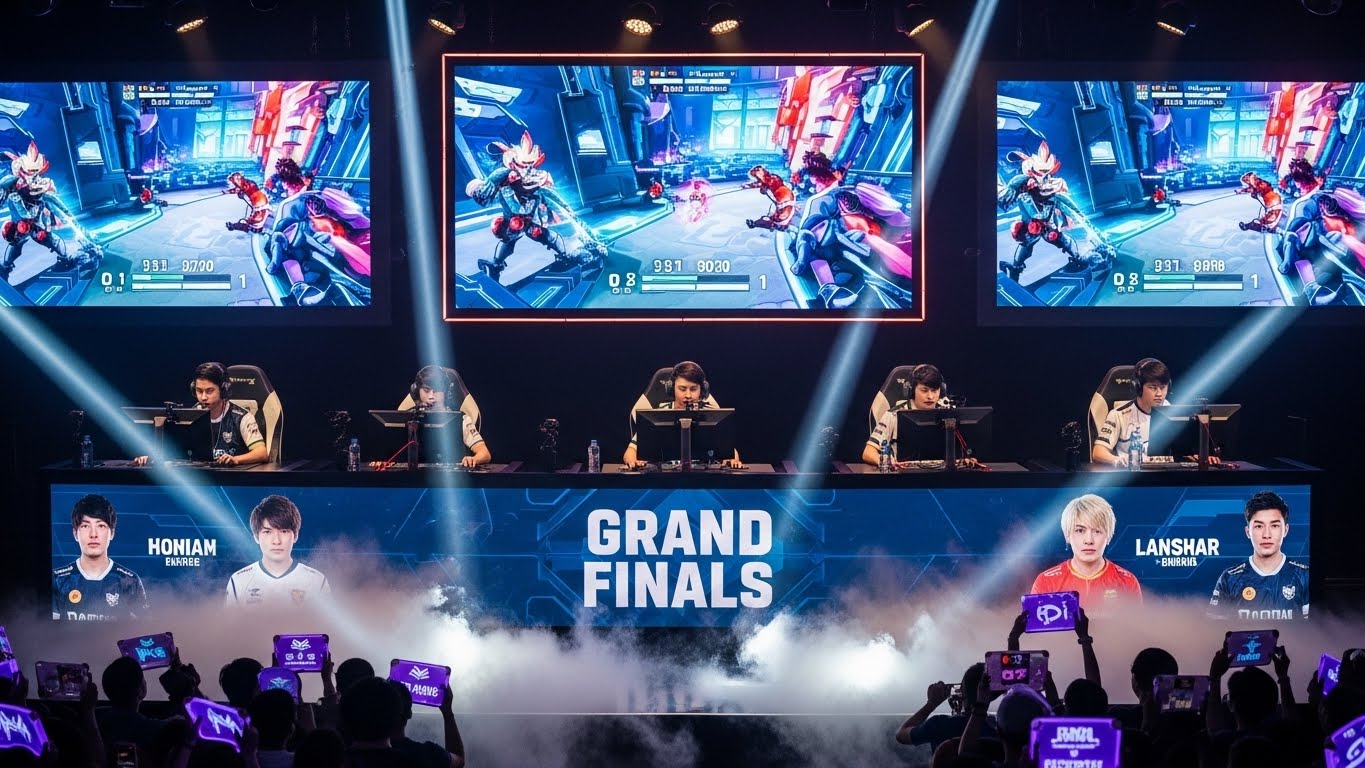
Esports, short for electronic sports, refers to competitive video gaming where players, either individually or in teams, compete against one another in organized tournaments. What began as a small community of gaming enthusiasts has now transformed into a global phenomenon that rivals traditional sports in viewership, sponsorship, and revenue. Esports has become more than just a pastime; it has evolved into a legitimate industry, complete with professional players, teams, coaches, commentators, and even dedicated stadiums.
Over the past two decades, the growth of esports has been staggering. What was once limited to local gaming events has become a multi-billion-dollar sector that influences technology, culture, education, and even politics. Today, esports tournaments are broadcast live across the world, attracting millions of viewers, and players have achieved celebrity status similar to that of traditional athletes.
This blog explores the fascinating world of esports, tracing its origins, evolution, and current impact on global entertainment and society.
The Origins of Esports
The concept of competitive gaming began much earlier than most people realize. The earliest known video game competition took place in 1972 at Stanford University, where students competed in the game Spacewar!. The winner received a year’s subscription to a magazine as the grand prize, a far cry from the multimillion-dollar rewards of today’s tournaments.
The 1980s marked the beginning of gaming as a public spectacle. Arcade games such as Pac-Man, Donkey Kong, and Space Invaders inspired national competitions, drawing players from around the world. Companies began organizing tournaments to promote their games, and gaming magazines published high-score leaderboards that motivated players to compete for fame.
However, it was the 1990s that truly laid the foundation for modern esports. The advent of the internet and the rise of personal computers allowed players to compete remotely. Games like Quake, StarCraft, and Counter-Strike became staples of early competitive gaming. The formation of professional leagues and international tournaments began during this time, giving rise to the concept of gaming as a career.
The Rise of Online Gaming and Professional Tournaments
The 2000s were a turning point for esports. With faster internet connections and the rise of online multiplayer platforms, games could host players from different continents in real time. Titles such as Warcraft III, Dota, and League of Legends became immensely popular among competitive gamers.
Professional esports organizations began to emerge, complete with team branding, sponsorships, and training facilities. South Korea became the epicenter of competitive gaming culture, largely due to the popularity of StarCraft. Television channels dedicated to esports were launched, broadcasting tournaments to millions of fans.
In the West, major events such as the Electronic Sports World Cup and Major League Gaming (MLG) brought esports into mainstream attention. Prize pools began to grow, and corporate sponsors recognized the marketing potential of this new industry. The early 2010s saw the rise of massive global tournaments such as The International for Dota 2, with prize pools exceeding millions of dollars, funded by community contributions.
Esports Becomes Mainstream
Esports achieved mainstream recognition during the 2010s. Streaming platforms such as Twitch and YouTube Gaming revolutionized how audiences consumed gaming content. Millions of viewers could now watch live matches, replays, and commentary from anywhere in the world.
This accessibility made esports a truly global event. Games like League of Legends, Counter-Strike: Global Offensive, Overwatch, and Fortnite dominated the competitive scene. Major tournaments filled arenas that once hosted concerts and traditional sports events.
One of the defining features of esports’ rise was its inclusivity. Anyone with a gaming console or PC could participate, breaking the barriers that often exist in traditional sports. The low entry barrier allowed talent from diverse regions to emerge, giving rise to international rivalries and communities.
Esports also began to attract attention from mainstream media and investors. Major sports franchises purchased esports teams, while universities introduced scholarships for aspiring professional gamers. This recognition legitimized esports as a professional pursuit rather than a hobby.
Popular Esports Titles
Different games dominate different genres within esports. Each title has its own set of rules, strategies, and fan base.
1. League of Legends (LoL)
Developed by Riot Games, League of Legends is one of the most-watched esports in the world. The game’s strategy-heavy gameplay and fast-paced action make it ideal for competitive play. Its annual World Championship attracts millions of viewers globally.
2. Dota 2
Valve’s Dota 2 is known for its complexity and massive prize pools. The International, its annual tournament, often features the largest prize pool in esports history, funded through community crowdfunding.
3. Counter-Strike: Global Offensive (CS:GO)
A tactical first-person shooter, CS:GO has been a cornerstone of esports for decades. It is popular for its high skill ceiling, teamwork, and strategy. Its tournaments consistently draw large audiences worldwide.
4. Fortnite
Epic Games’ Fortnite brought a new wave of young players to esports with its unique battle royale format. Its combination of building mechanics, shooting, and colorful graphics made it appealing to both players and audiences.
5. Overwatch
Blizzard’s Overwatch introduced a team-based shooter with diverse heroes and abilities. The Overwatch League became one of the first city-based esports leagues, mirroring the structure of traditional sports.
6. Valorant
Another title from Riot Games, Valorant combines elements of CS:GO and hero-based shooters, becoming one of the fastest-growing esports in recent years.
The Structure of Professional Esports
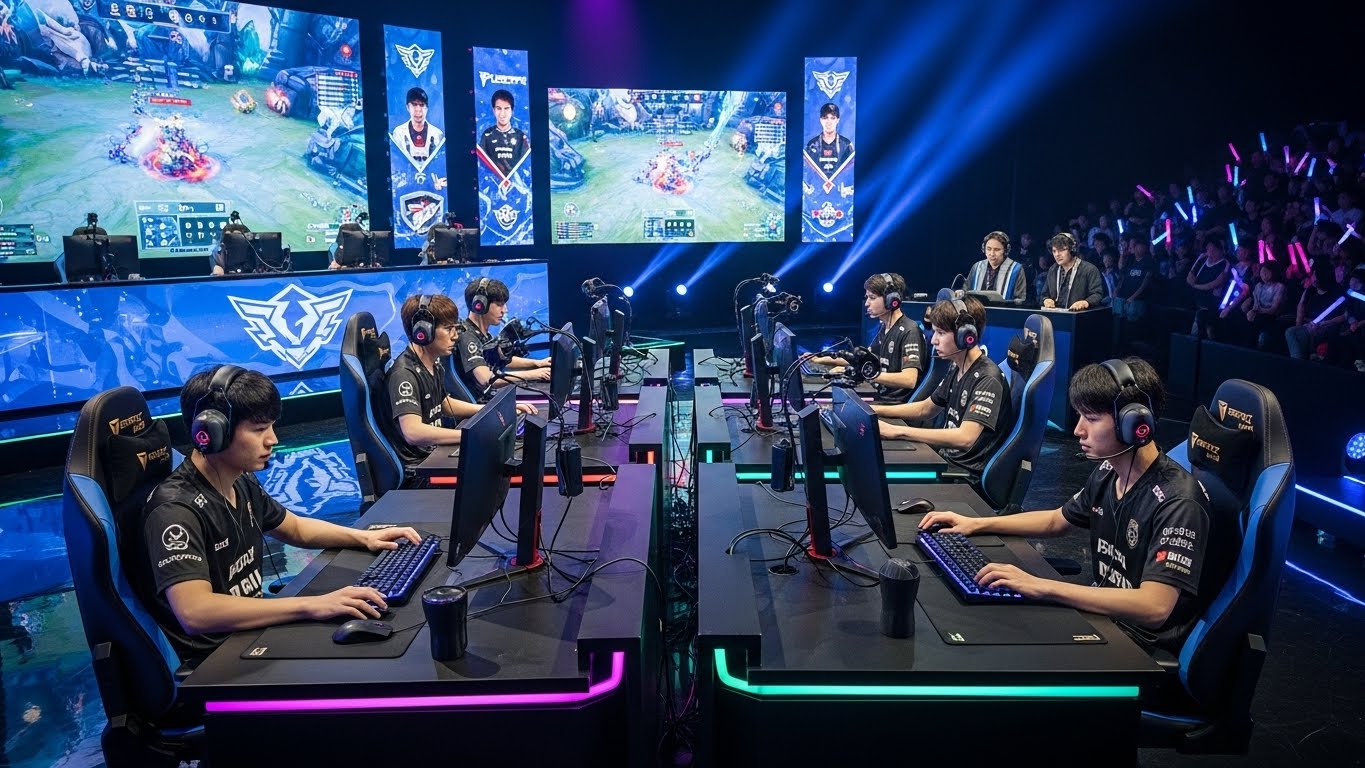
The professional esports scene is highly organized, resembling traditional sports leagues. Teams are often managed by organizations that handle sponsorships, marketing, and player development. Players sign contracts, train rigorously, and travel globally to compete in tournaments.
Coaches and analysts play crucial roles in strategy formulation. Teams study their opponents, review match footage, and develop tactical approaches. The professionalism and dedication involved are comparable to those in traditional sports such as football or basketball.
Many players live in gaming houses or training facilities provided by their organizations. Here, they follow strict schedules involving practice sessions, physical fitness training, and team-building activities. The mental and physical demands of esports require discipline and focus.
The Global Esports Economy
The financial growth of esports has been remarkable. Revenue streams include sponsorships, advertising, media rights, merchandise, and ticket sales. Major brands from technology, beverage, and apparel industries have invested heavily in esports, recognizing its massive and youthful audience.
Prize pools have reached unprecedented levels. For example, top players can earn millions of dollars from tournaments, endorsements, and streaming deals. Organizations also benefit from media rights and brand partnerships.
Streaming platforms have become integral to esports economics. Content creators and professional gamers often earn significant income through live streams, donations, and brand collaborations. This ecosystem supports not only players but also casters, event organizers, and content producers.
Esports and Education
Esports is increasingly being recognized as a valuable educational and career path. Schools and universities around the world are integrating esports into their curricula, offering degrees in game design, esports management, and broadcasting.
Esports programs teach teamwork, leadership, strategic thinking, and time management. Some institutions even provide scholarships for talented players, much like those offered to traditional athletes. These programs help bridge the gap between passion and profession, encouraging students to explore gaming-related careers in marketing, technology, and production.
The Psychological and Social Impact of Esports
Esports has a profound impact on its participants and viewers. It promotes skills such as coordination, decision-making, and communication. Team-based games foster collaboration and mutual understanding among players from diverse backgrounds.
However, esports also brings challenges. The intense competition and pressure to perform can lead to stress, burnout, and unhealthy gaming habits. Professional players must maintain a balance between gaming and physical well-being, as long hours of practice can take a toll on both mental and physical health.
Organizations have begun addressing these issues by providing mental health support, fitness training, and structured schedules for players. The awareness around player wellness is a positive sign of the industry’s maturity.
Esports and Technology
The success of esports is deeply tied to technological advancements. High-speed internet, powerful gaming hardware, and immersive graphics have made competitive gaming more accessible and exciting. The rise of virtual reality (VR) and augmented reality (AR) is expected to further enhance the esports experience.
Artificial intelligence and data analytics are now used to improve player performance and viewer engagement. AI-driven analysis helps teams refine strategies, while predictive algorithms enhance broadcast experiences for audiences.
Streaming technology continues to evolve, making it easier for fans to connect with their favorite teams and players in real time. The integration of social media and live streaming has created a vibrant, interactive community.
Esports as a Career Path
The esports industry offers a wide range of career opportunities beyond professional gaming. Individuals can work as coaches, analysts, event organizers, commentators, marketing managers, and software developers. The growth of content creation and live streaming has also opened doors for influencers and broadcasters.
Players often transition into coaching, content creation, or commentary after retirement. With the continued expansion of the industry, the demand for skilled professionals in management, technology, and creative roles is growing rapidly.
The Cultural Influence of Esports
Esports has significantly influenced global culture. Gaming communities foster creativity, inclusivity, and diversity. Esports events are celebrated much like major sports tournaments, with fans cheering for their favorite teams and players.
The fandom culture surrounding esports has led to the creation of fan art, cosplay, and digital content. Social media platforms amplify player personalities, turning them into role models for younger generations.
In some countries, esports athletes are regarded as national representatives. International tournaments promote cultural exchange and unity through shared passion for gaming.
The Future of Esports
The future of esports looks incredibly promising. With advancing technology, increasing investment, and growing audience engagement, the industry is expected to expand further. Mobile gaming is emerging as the next big frontier, especially in regions like Asia and South America, where smartphones are more accessible than gaming PCs.
As virtual and augmented reality continue to develop, the line between physical and digital sports will blur further. Esports may also become a part of global sporting events, potentially being recognized in major athletic competitions.
Education, health, and technology sectors will continue to collaborate with the esports industry, creating new opportunities for players and professionals alike. The rise of blockchain and digital assets may also influence how players and organizations handle contracts and revenue sharing in the future.
Conclusion
Esports has evolved from a niche hobby into a global powerhouse of entertainment, culture, and technology. It represents the merging of creativity, skill, and competition in the digital era. The journey from arcade competitions to sold-out arenas and millions of online viewers reflects how far the gaming community has come.
What makes esports truly remarkable is its ability to connect people across borders, languages, and cultures through a shared love of gaming. As technology continues to advance and society becomes more digitally integrated, esports will undoubtedly remain at the forefront of modern entertainment.
From humble beginnings to a thriving global industry, esports stands as a testament to how passion, innovation, and community can reshape the world of sports and beyond. Its story is not just about games—it’s about human connection, perseverance, and the endless pursuit of excellence in the virtual arena.