Introduction
Over the past two decades, gaming has evolved from a casual pastime into a billion-dollar industry that connects millions across the globe. At the heart of this revolution lies esports—competitive gaming that mirrors traditional sports in intensity, organization, and fan engagement. Once considered a niche interest, esports has exploded into mainstream entertainment, captivating audiences from Seoul to San Francisco. Today, it stands as one of the most influential pillars of modern culture, shaping careers, communities, and the very way we define competition.
The Birth of Esports: From Arcades to Arenas
Esports did not emerge overnight. Its roots trace back to the early 1980s when gaming tournaments were first organized around classic arcade titles. The first recognized video game competition took place in 1980 with players competing in Space Invaders. What began as a novelty grew through the 1990s, as advancements in technology and the rise of personal computers gave players the ability to connect and compete across distances.
The rise of games like Quake, StarCraft, and Counter-Strike in the late 1990s marked the true beginning of structured esports. Internet cafés and local area network parties became the breeding grounds for the first generation of professional gamers. As broadband internet spread and online multiplayer gaming became more accessible, esports transformed from small local gatherings into international tournaments with professional teams, sponsors, and massive audiences.
The Global Growth of Competitive Gaming
In the 2000s, esports began to capture serious attention. Titles like League of Legends, Dota 2, and Call of Duty created dedicated communities and competitive ecosystems. Streaming platforms and live broadcasts turned these matches into global spectacles. The accessibility of these platforms meant anyone could watch professional players perform at the highest levels, no matter where they lived.
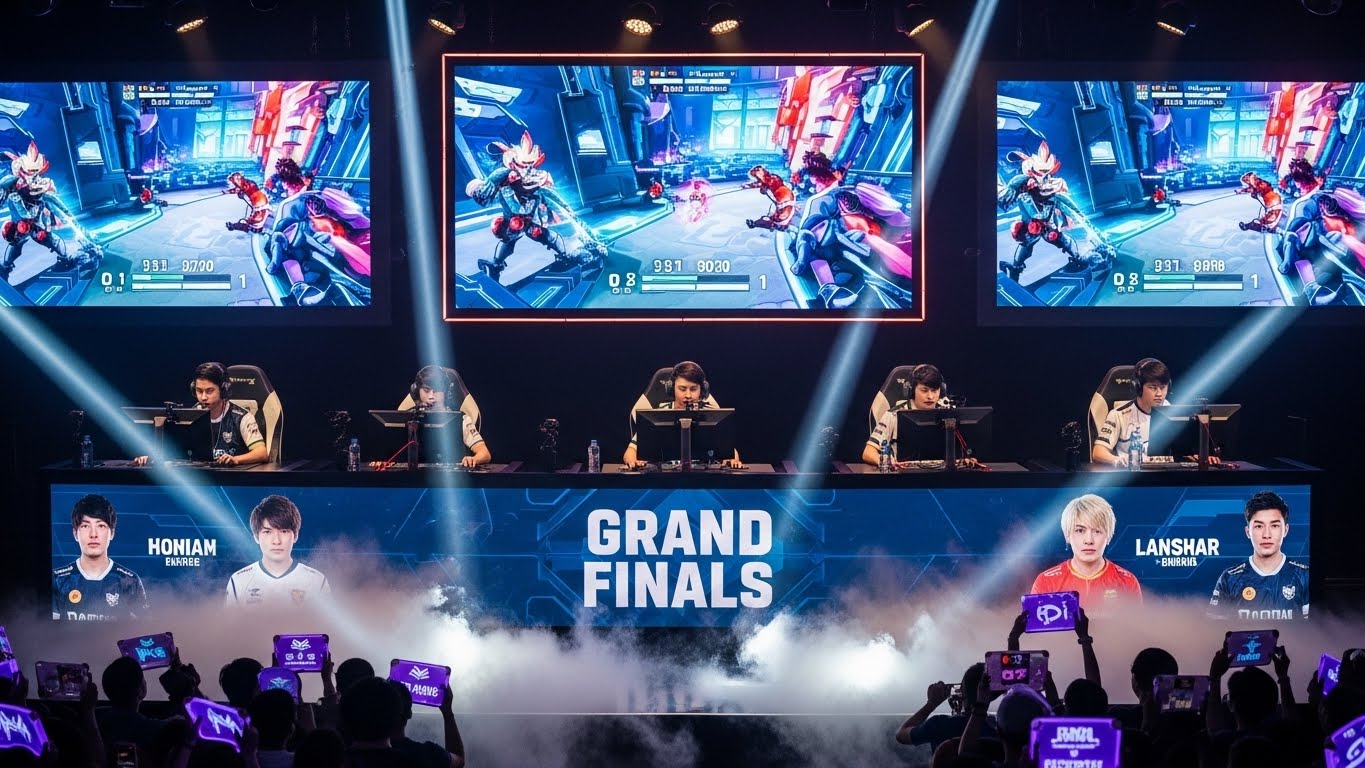
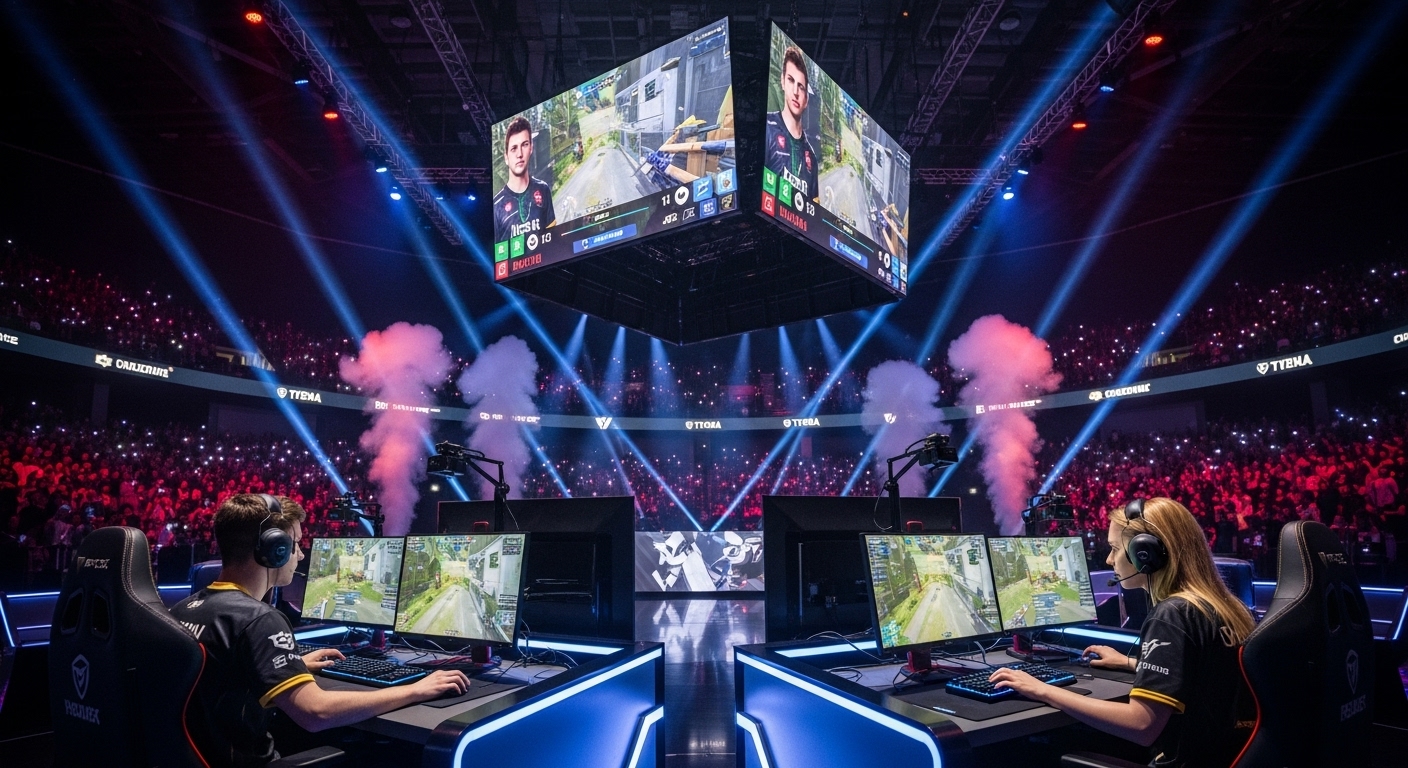
This shift created a unique blend of entertainment and interactivity. Unlike traditional sports, fans could not only watch but also play the same games their idols competed in. This sense of shared experience fueled esports’ exponential growth. Today, tournaments fill massive arenas, and events such as The International or League of Legends World Championship draw viewership numbers rivaling the biggest events in traditional sports.
Professional Players and Teams: The New-Age Athletes
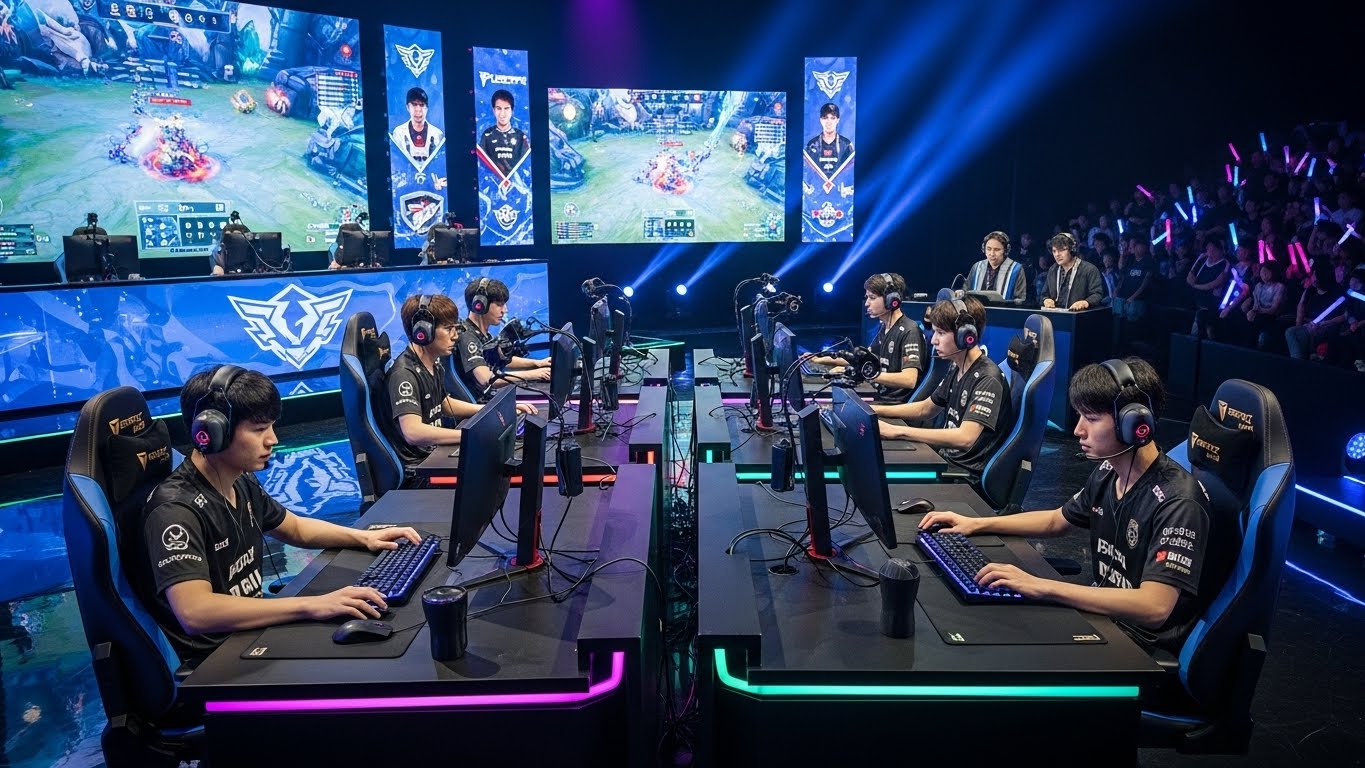
Esports athletes are more than just skilled gamers—they are dedicated professionals who train, strategize, and perform under immense pressure. A typical professional player practices for long hours daily, analyzing gameplay footage, refining techniques, and maintaining focus just like athletes in physical sports. Many are backed by teams with coaches, nutritionists, analysts, and mental health experts to ensure peak performance.
Top players enjoy fame, lucrative contracts, and sponsorships from major global brands. They compete for prize pools that can exceed tens of millions of dollars. Beyond competition, they influence gaming culture, fashion, and lifestyle, becoming icons for younger generations who see gaming not as a distraction but as a legitimate career path.
The Role of Technology in Shaping Esports
The evolution of esports would not have been possible without rapid technological advancements. High-speed internet, powerful gaming hardware, and cloud-based infrastructure have made competitive gaming smoother and more accessible. Virtual reality and augmented reality are beginning to add new dimensions to competitive play, promising even more immersive experiences in the future.
Moreover, artificial intelligence and data analytics are revolutionizing how teams train and strategize. Coaches can now analyze massive amounts of gameplay data to identify weaknesses, optimize tactics, and predict opponents’ behavior. This merging of technology and competition is reshaping the boundaries of what esports can achieve.
The Business Behind Esports
Behind every exciting match lies a vast economic ecosystem. Esports generates revenue through sponsorships, media rights, advertising, merchandise, and ticket sales. Brands across industries—from technology and apparel to food and automotive—are eager to connect with the highly engaged esports audience.
Franchised leagues, such as those in Overwatch and Call of Duty, have introduced structured competition models similar to traditional sports, complete with regional teams and fan bases. Esports organizations now operate like professional sports clubs, managing players, creating content, and engaging in community building.
Streaming platforms have also contributed immensely to the business landscape. With millions tuning in daily to watch live games, esports has become a key driver of digital advertising and content creation. Some of the most popular streamers and content creators began as professional esports players, highlighting the fluid connection between competition, entertainment, and entrepreneurship.
The Cultural Impact of Esports
Beyond the money and fame, esports has left an indelible mark on global culture. It has bridged generations, languages, and borders, creating a shared passion that transcends geography. Gaming is no longer an isolated activity; it’s a social experience where fans form communities, engage in discussions, and celebrate victories together.
Esports has also played a significant role in redefining gender and diversity in gaming. While challenges remain, more women and underrepresented groups are entering the competitive scene and contributing to its growth. Universities now offer scholarships for esports athletes, and educational institutions recognize gaming as a legitimate part of student culture.
Challenges Facing the Esports Industry
Despite its success, the esports industry faces challenges that must be addressed for sustainable growth. One major concern is player burnout due to intense training schedules and mental strain. The pressure to perform at the highest level often leads to health issues, which teams and organizations are now working to mitigate through wellness programs.
Regulation and governance are other pressing issues. Unlike traditional sports, esports lacks a universal governing body. This can lead to inconsistencies in tournament rules, player contracts, and disciplinary actions. Creating a more standardized and transparent system will be essential for long-term credibility.
Cheating, match-fixing, and online toxicity also threaten the integrity of competitive gaming. Developers and event organizers are increasingly investing in anti-cheat technologies and player education to preserve fairness and professionalism.
Education and Career Opportunities in Esports
The rise of esports has created numerous career paths beyond just professional play. There are opportunities in event management, marketing, broadcasting, coaching, game design, and content creation. Universities around the world now offer degrees focused on esports management, game development, and digital media.
Educational institutions are beginning to see esports as a gateway to developing skills in teamwork, strategy, communication, and critical thinking. This recognition has led to esports programs that prepare students for a future where digital entertainment and technology are deeply intertwined.
The Future of Esports: Where Do We Go from Here?
The future of esports looks incredibly bright. With the continued expansion of 5G networks, cloud gaming, and artificial intelligence, the industry is poised to reach new heights. As technology continues to evolve, so will the experience of both players and fans.
Virtual arenas, holographic displays, and interactive spectator tools may redefine how audiences engage with esports. The line between gaming and entertainment will blur further as mainstream media, film, and music industries collaborate with gaming platforms to create hybrid experiences.
Another exciting frontier is mobile esports. With smartphones becoming more powerful, mobile gaming tournaments are becoming global sensations, especially in developing regions. This democratizes esports even further, allowing anyone with a phone and an internet connection to compete at high levels.
Conclusion
Esports represents far more than just competitive gaming—it’s a cultural revolution that reflects our digital age. It embodies innovation, teamwork, and the human desire to excel. From small gatherings in local arcades to sold-out stadiums with millions watching online, esports has rewritten the definition of sports and entertainment.
As it continues to evolve, esports will not only shape how we play games but also how we connect, learn, and express ourselves in a digital world. It’s a powerful reminder that passion, when combined with technology and creativity, can build bridges across continents and inspire generations. The digital arena is no longer just a space for games—it’s where the future of global competition is being written.