Introduction
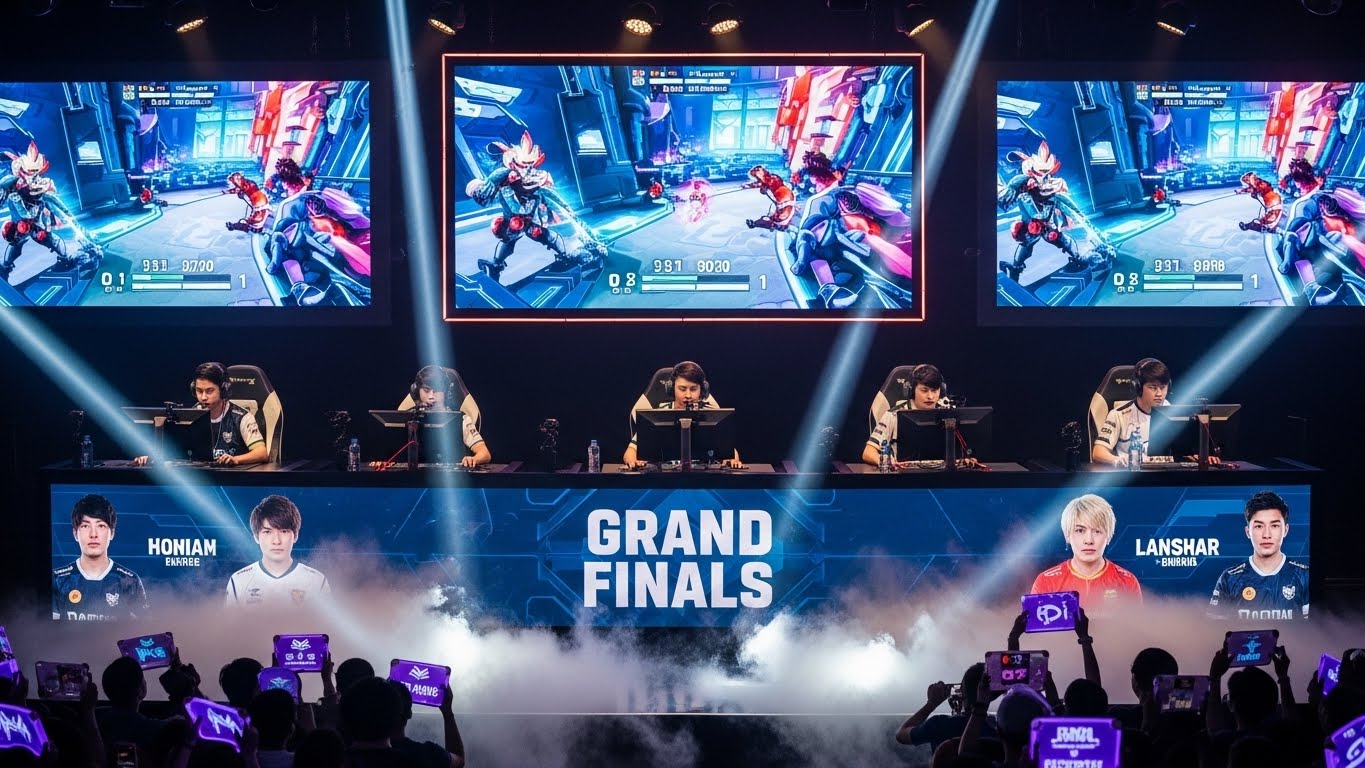
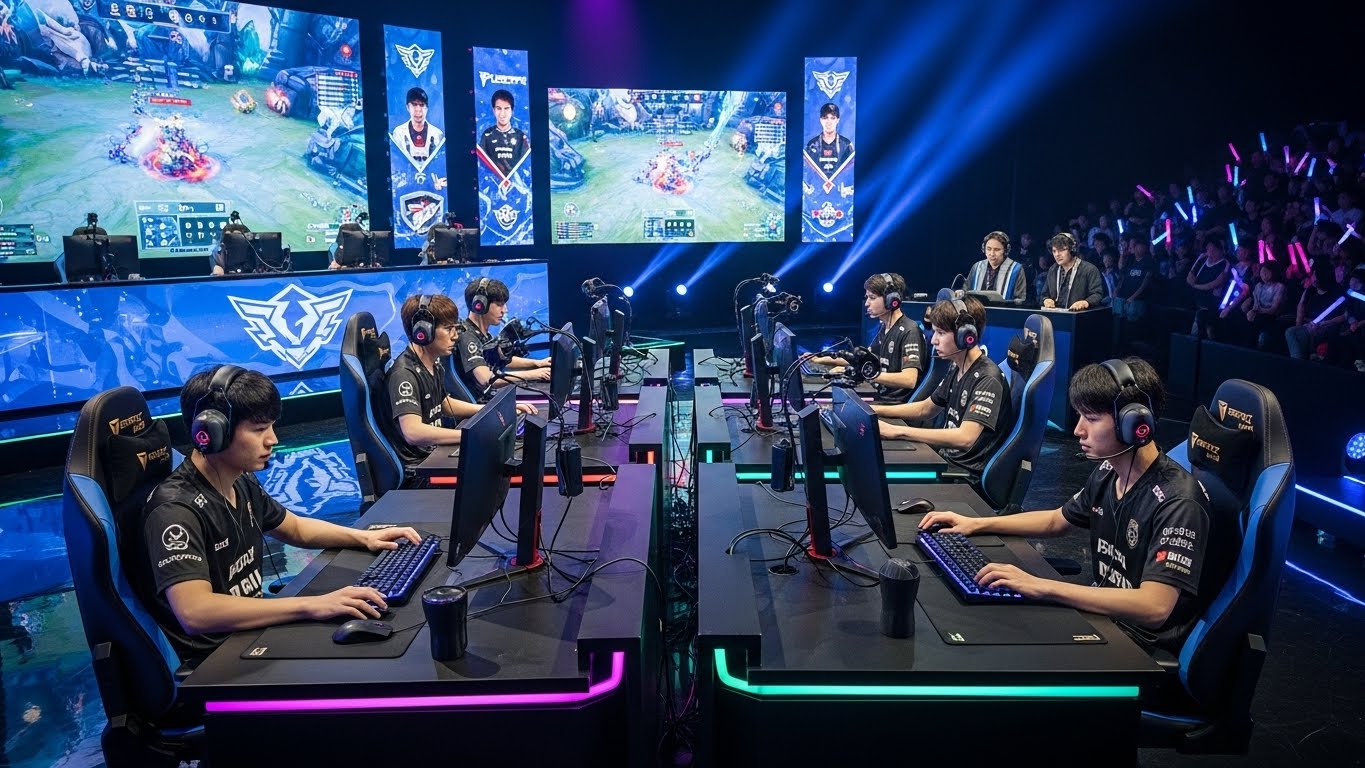
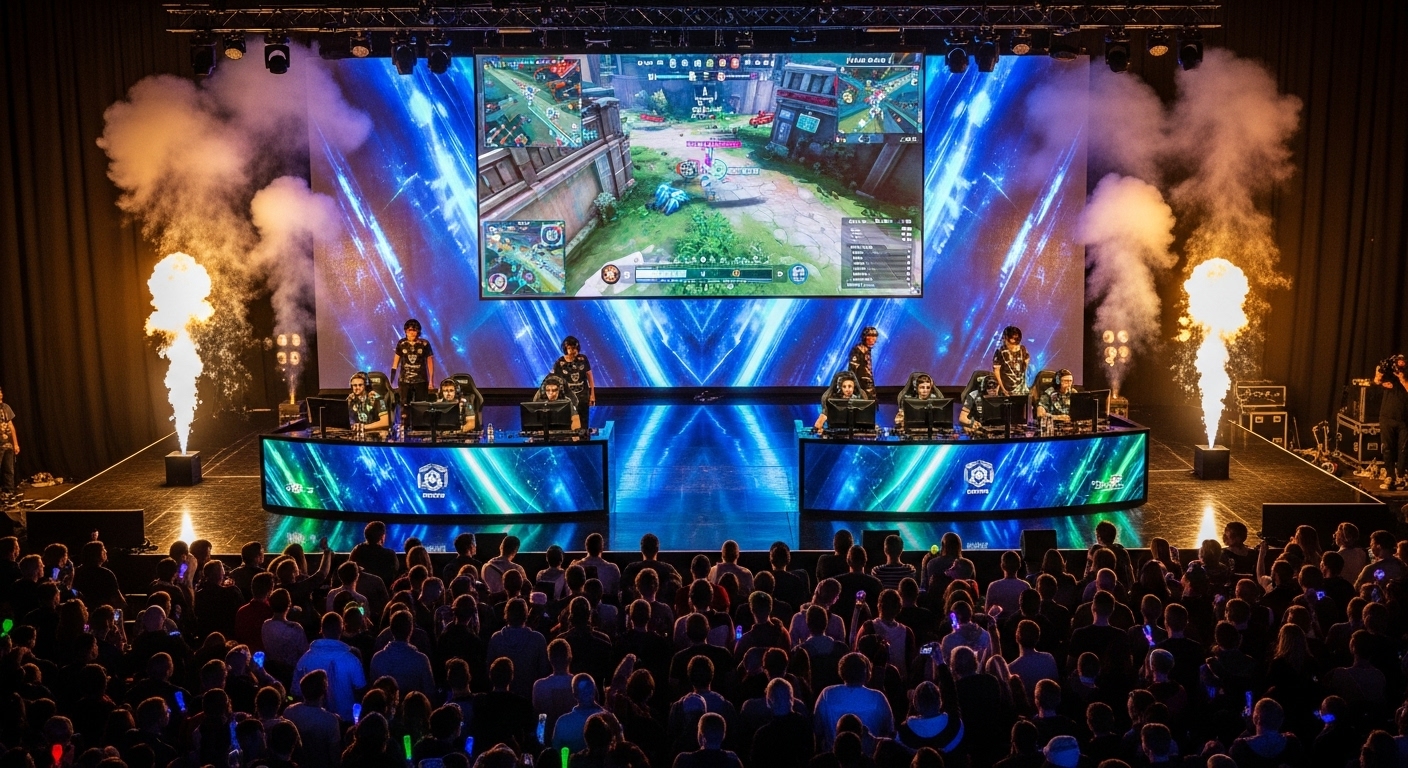
Once upon a time, video games were seen as a pastime for kids or a way to unwind after a long day. Fast forward to the present, and competitive gaming—better known as Esports—has evolved into a billion-dollar industry commanding global attention. With millions of fans tuning in to live tournaments, massive sponsorship deals, and players achieving celebrity status, Esports has transformed from living-room battles into stadium-filled spectacles.
This revolution didn’t happen overnight. The journey of Esports has been one of passion, innovation, and the relentless pursuit of legitimacy in a world that once doubted its significance. Today, Esports is not just about games; it’s about culture, technology, business, and community.
In this blog, we’ll explore how Esports evolved, the games and players that shaped it, its social and economic impact, and what the future might hold for this ever-growing global phenomenon.
The Origins of Competitive Gaming
The roots of Esports stretch back farther than many realize. While modern Esports is often associated with high-end PCs, consoles, and streaming platforms, the first instance of organized competitive gaming dates back to the early 1970s.
The First Tournament
In 1972, Stanford University hosted the world’s first recorded video game competition. The game was Spacewar!, and the grand prize was a year’s subscription to Rolling Stone magazine. It might sound small now, but that moment marked the birth of organized video game competition.
By the 1980s, arcade games like Pac-Man and Donkey Kong became pop-culture icons, and high-score contests started appearing in magazines. Players began to recognize that gaming could be about skill and competition, not just entertainment.
The Console Era
As home consoles gained popularity through the 1980s and 1990s, competitions began to shift from arcades to living rooms. Nintendo played a pivotal role here. The Nintendo World Championships in 1990 brought together the best players across the United States to compete on custom cartridges, igniting dreams for many young gamers.
Although these early tournaments were small compared to today’s standards, they laid the foundation for what would become a global Esports movement.
The Birth of Online Competition
The late 1990s marked a revolutionary period for Esports, largely driven by the rise of the internet. Suddenly, players no longer needed to be in the same room—or even the same country—to compete.
The Rise of PC Gaming
As personal computers became more powerful, multiplayer games like Quake, StarCraft, and Counter-Strike emerged as the new frontier of competition. LAN parties—where gamers would connect their PCs in one location—were the birthplace of many early Esports events.
In 1997, the Cyberathlete Professional League (CPL) was founded, hosting some of the first large-scale professional tournaments. Around the same time, StarCraft exploded in South Korea, becoming a national obsession and establishing the country as a global hub for competitive gaming.
South Korea: The Esports Capital
No discussion of Esports history would be complete without acknowledging South Korea’s monumental role. With widespread broadband internet access in the early 2000s and the rise of PC bangs (gaming cafés), competitive gaming became mainstream entertainment.
Television networks began broadcasting matches, players became household names, and sponsorships from major brands followed. Games like StarCraft and League of Legends turned professional players into celebrities, paving the way for Esports as a legitimate career.
The Explosion of the Modern Esports Era
The 2010s marked the true global explosion of Esports. Streaming platforms like Twitch and YouTube Gaming gave fans instant access to live matches and player streams, making it easier than ever to follow tournaments and personalities.
The Big Titles That Defined a Generation
Several games were instrumental in bringing Esports to the mainstream:
- League of Legends (LoL): Developed by Riot Games, LoL became the most-watched Esport in the world, with its annual World Championship drawing millions of viewers.
- Dota 2: Valve’s massive online battle arena (MOBA) game, known for The International, which set records for prize pools funded by the gaming community.
- Counter-Strike: Global Offensive (CS:GO): A tactical first-person shooter that built upon its predecessors’ legacy with global tournaments and passionate fans.
- Overwatch: Blizzard’s team-based shooter that combined colorful design with fast-paced action, attracting a new demographic of players and viewers.
- Fortnite: Epic Games’ battle royale phenomenon that blurred the lines between gaming, entertainment, and pop culture, hosting virtual concerts and cross-media events.
Each of these games developed professional leagues, sponsorships, and loyal fan bases. Collectively, they helped Esports cross from niche subculture to mainstream entertainment.
The Economics of Esports
The growth of Esports isn’t just cultural—it’s deeply economic. The industry has evolved into a major business ecosystem with revenue streams from sponsorships, advertising, ticket sales, media rights, and merchandise.
Sponsorships and Brand Involvement
Major global brands—from technology giants to beverage companies—have jumped into the Esports space. Companies like Intel, Red Bull, and Nike sponsor teams and tournaments, while automotive and luxury brands are increasingly using Esports as a gateway to younger audiences.
Unlike traditional sports, Esports offer a digital-first marketing environment where brands can integrate directly into gameplay, streaming, and online communities.
Prize Pools and Player Earnings
The prize money in Esports can be staggering. The International 2019 for Dota 2 offered over $34 million, breaking records for the largest Esports prize pool ever at the time. Top players can earn millions through a combination of tournament winnings, sponsorship deals, and streaming revenue.
However, not all players enjoy the same financial success. While the top tier thrives, many aspiring professionals face economic challenges, mirroring the struggles of athletes in traditional sports leagues.
The Esports Ecosystem: Teams, Leagues, and Infrastructure
Esports has developed its own version of professional sports infrastructure. Teams, organizations, and leagues function similarly to traditional sports franchises, complete with coaches, analysts, and training facilities.
Professional Teams
Organizations such as Team Liquid, Fnatic, Cloud9, T1, and G2 Esports have become household names in the gaming community. These teams manage rosters across multiple games, invest in player development, and build brand loyalty through content and community engagement.
Global Leagues
Riot Games’ League of Legends Championship Series (LCS) and Blizzard’s Overwatch League were among the first to introduce structured seasonal formats, city-based teams, and franchise systems—mirroring the structure of the NBA or NFL.
This model brought stability, long-term investments, and mainstream recognition, further professionalizing the Esports ecosystem.
The Role of Streaming and Media
Without streaming, Esports wouldn’t be where it is today. Platforms like Twitch, YouTube Gaming, and Facebook Gaming allowed fans to watch matches and interact directly with players, building unprecedented levels of community engagement.
The Power of Accessibility
Unlike traditional sports that require broadcast deals and physical venues, Esports thrives on accessibility. Anyone with an internet connection can watch matches live, often for free. This democratization of viewership helped Esports grow rapidly, especially among younger audiences who prefer digital entertainment over cable television.
Personalities and Streamers
Streaming also gave rise to individual gaming personalities who aren’t necessarily competitive players but still attract massive audiences. Streamers like Ninja, Shroud, and Pokimane have blurred the line between athlete, entertainer, and influencer. Their success shows that Esports isn’t just about competition—it’s about community and identity.
Cultural Impact of Esports
Esports isn’t just a form of entertainment; it’s a cultural force. It influences fashion, music, art, and even education.
The Fusion of Gaming and Pop Culture
Music artists collaborate with Esports brands, celebrities appear in tournaments, and gaming aesthetics influence mainstream media. Virtual concerts inside games like Fortnite have featured global artists, merging interactive entertainment with live performance.
Esports-themed clothing lines and collaborations with fashion brands are now common. The blending of digital and physical culture has created a new kind of fandom that spans across mediums.
Education and Career Opportunities
Many universities now offer Esports scholarships, recognizing gaming as a legitimate competitive pursuit. Academic programs in game design, marketing, and event management have incorporated Esports as a field of study.
Esports careers aren’t limited to players—there are opportunities in broadcasting, management, coaching, production, and content creation.
Challenges and Criticisms
Despite its explosive growth, Esports faces several challenges that it must address to ensure sustainable development.
Player Burnout and Health Concerns
Professional gaming demands intense focus and long hours of practice, often leading to physical and mental strain. Issues like repetitive strain injuries, sleep deprivation, and stress-related burnout are common.
Organizations are beginning to hire sports psychologists, nutritionists, and fitness coaches to support player health, but more work is needed to create balanced career paths.
Gender Representation
The Esports scene has long struggled with gender diversity. While women are a significant portion of the global gaming population, they remain underrepresented in top-tier professional tournaments. Toxicity and harassment within online spaces also contribute to the challenge.
Many initiatives are now working to promote inclusivity and create more supportive environments for women and nonbinary players.
Cheating and Fair Play
Like traditional sports, Esports must contend with cheating, match-fixing, and integrity issues. Advanced software hacks and performance-enhancing devices pose threats to fair competition. Maintaining trust in Esports requires strong regulation, transparent governance, and ethical enforcement.
The Future of Esports
The future of Esports looks brighter than ever. With technological advancements, cross-industry partnerships, and global recognition, it’s set to become a dominant form of entertainment in the coming decades.
Virtual Reality and New Technologies
The rise of virtual reality (VR) and augmented reality (AR) could redefine competitive gaming. Imagine Esports where players physically move within digital arenas, combining physical athleticism with virtual precision.
Advances in AI, cloud gaming, and 5G connectivity will make high-quality competitive gaming accessible to more players worldwide, reducing the gap between professional and casual play.
Esports in the Olympics
One of the most discussed milestones is Esports’ potential inclusion in the Olympic Games. While debates continue about what qualifies as a “sport,” the International Olympic Committee has already hosted Esports exhibitions, signaling growing acceptance.
A full integration could further legitimize competitive gaming on the world stage and unite global audiences like never before.
The Metaverse and Esports Integration
As virtual worlds expand, Esports could become a central component of the metaverse—a shared digital space where competition, social interaction, and creativity coexist. Spectators might attend virtual arenas as avatars, experiencing matches from within the game itself.
Conclusion
From the early days of Spacewar! to modern stadiums filled with roaring fans, Esports has come a long way. It represents the merging of technology, creativity, and human competition in a uniquely digital age.
What began as friendly rivalry among enthusiasts has grown into a global industry influencing how we connect, entertain, and even define achievement. The power of Esports lies not only in the games themselves but in the communities that surround them—the millions of players, fans, and dreamers who have turned pixels into purpose.
As technology continues to evolve and generations grow up immersed in digital culture, Esports will only expand further. It’s not just the future of gaming; it’s the future of sports, entertainment, and human connection itself.