
In the span of just a few decades, video games have gone from a pastime enjoyed by small groups of enthusiasts to one of the most dominant entertainment industries in the world. At the heart of that transformation lies Esports — the competitive, professional side of gaming that has redefined what it means to be an athlete, a fan, and a spectator in the digital age.
Esports isn’t just about gaming anymore. It’s about community, innovation, technology, and culture. It’s a story of how a niche hobby evolved into a billion-dollar global industry, attracting audiences and investors at levels once reserved for traditional sports.
The Origins of Competitive Gaming
To understand Esports, it’s important to look back at where it began. The roots of competitive gaming stretch back to the 1970s and 80s, long before live streaming and online play made it accessible to millions.
In 1972, Stanford University hosted what is widely considered the first video game competition — a “Spacewar!” tournament where the winner received a year’s subscription to Rolling Stone magazine. That may sound modest compared to today’s multi-million-dollar prizes, but it marked the birth of competitive gaming.
The 1980s brought arcade culture, where high scores ruled supreme. Players gathered around machines like Pac-Man and Donkey Kong, battling for local bragging rights and sometimes even appearing in gaming magazines for their achievements. When Nintendo hosted its World Championships in 1990, it was clear that gaming had become more than just a hobby. It was a legitimate competition.
The Internet Revolution and the Birth of Modern Esports
The real explosion came with the rise of the internet in the late 1990s and early 2000s. Online multiplayer gaming changed everything. Players could now compete from different cities, countries, and continents — instantly and seamlessly.
Games like StarCraft, Quake, and Counter-Strike became early pillars of the Esports world. In South Korea, StarCraft: Brood War transformed gaming into a national spectacle. Professional players gained celebrity status, tournaments were broadcast on TV, and fans packed stadiums to watch live matches.
This period also saw the rise of the first Esports organizations and professional teams. They trained players, managed sponsors, and competed in structured leagues — concepts that would later evolve into the Esports industry we know today.
Esports Becomes an Industry
By the early 2010s, Esports had entered a new era. Streaming platforms like Twitch and YouTube made it possible for anyone to watch professional gamers compete live. This accessibility fueled massive growth. Fans didn’t just want to play games — they wanted to watch others play at the highest level.
Developers started designing games with Esports in mind. Titles like League of Legends, Dota 2, and Overwatch were built around competitive play, complete with balanced mechanics, ranked ladders, and tournament infrastructure.
The numbers tell the story: millions of viewers, global fanbases, and prize pools that rival major sporting events. The 2019 Dota 2 International tournament offered over $34 million in prize money. That same year, the Fortnite World Cup champion took home $3 million — more than the winners of some traditional sports championships.
The Appeal of Esports: Why People Watch
To outsiders, it might seem strange that millions tune in to watch others play video games. But to fans, Esports combines the best elements of sports, storytelling, and technology.
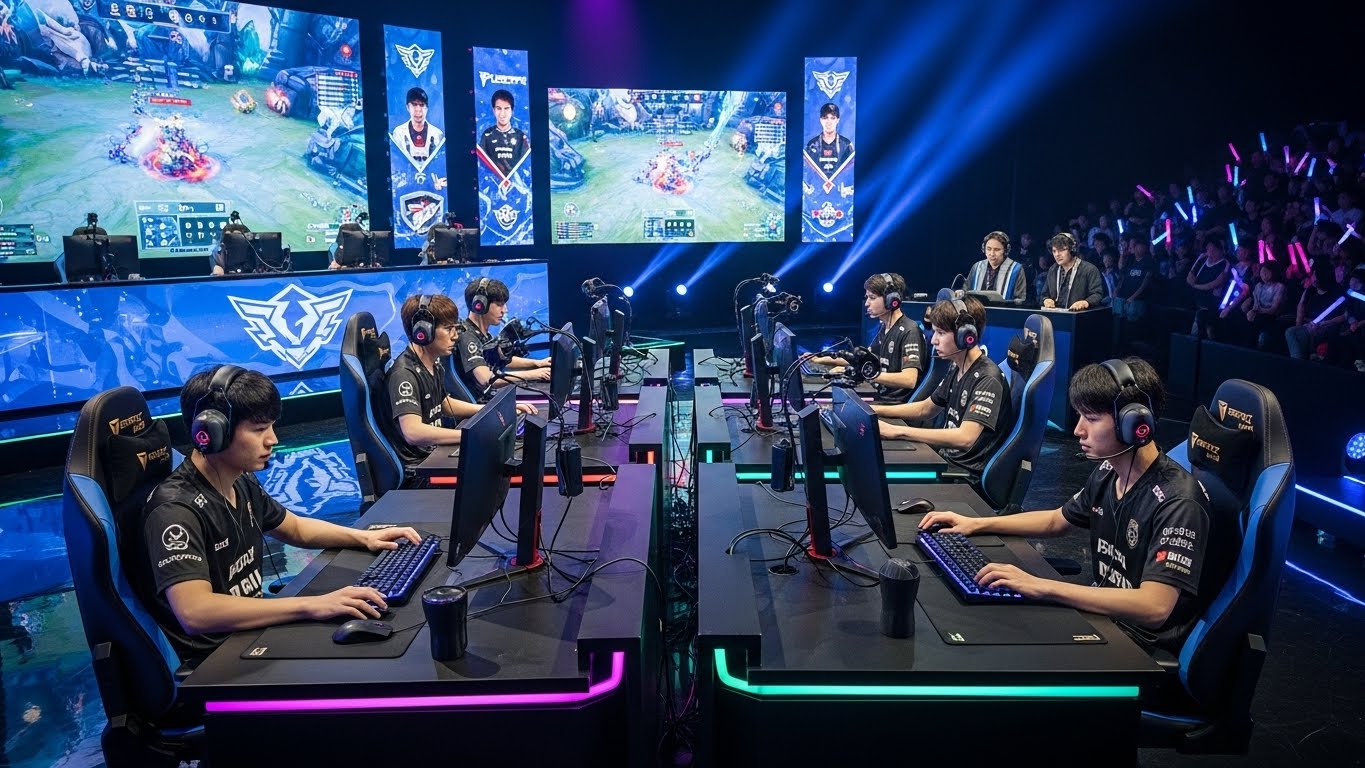
First, there’s the competition. Professional gamers are incredibly skilled, mastering reflexes, strategy, and teamwork at a level that’s difficult to imagine. Watching them perform is like watching an athlete execute a perfect play — it’s precision, creativity, and intensity all in one.
Then, there’s the community. Esports thrives on interaction. Fans don’t just watch; they participate through chat, social media, and fan art. The line between spectator and participant is thinner than in any other entertainment form.
Lastly, Esports has accessibility. Anyone can download a game, play it, and understand what’s happening on screen. Unlike some sports that require expensive gear or specific environments, gaming is a universal language.
Esports and Technology: A Perfect Match
Esports couldn’t exist without technology — and technology, in many ways, evolves because of Esports.
High-speed internet, advanced graphics, and streaming platforms all grew alongside competitive gaming. Hardware manufacturers constantly innovate to meet the demands of both players and viewers, creating faster processors, responsive monitors, and optimized gaming peripherals.
Artificial intelligence and analytics are now part of team strategy, analyzing data to improve player performance and predict opponents’ behavior. Virtual and augmented reality may soon change how fans experience matches entirely, creating immersive arenas that blend the physical and digital worlds.
The Role of Streaming and Content Creation
The rise of platforms like Twitch, YouTube Gaming, and Facebook Live transformed Esports from a niche scene into a mainstream form of entertainment.
Streaming allowed players to connect directly with audiences. Professional gamers became influencers, building personal brands and fan followings that extended beyond their tournaments. Streamers like Ninja and Shroud turned gaming into a full-time career, showcasing how Esports could merge with entertainment and personality-driven content.
This also changed how tournaments were consumed. Instead of relying on traditional broadcasters, Esports could reach global audiences instantly. Fans could tune in from anywhere, interact in real-time, and feel part of the action. It was democratized entertainment — raw, unscripted, and engaging.
Esports in Education and Career Development
As the industry matured, its impact expanded beyond entertainment. Universities now offer scholarships for Esports athletes. Entire degree programs focus on gaming management, event production, and digital marketing within the Esports ecosystem.
This shift reflects a broader recognition that Esports involves a vast range of skills — from strategy and teamwork to communication, technology, and business acumen. Behind every player is a network of coaches, analysts, broadcasters, designers, and managers.
The Esports industry has also become a gateway for younger generations to enter careers in gaming, tech, and media. It provides opportunities not just for players but for creative professionals across multiple disciplines.
The Globalization of Esports
Esports is one of the most global industries in existence. Unlike many traditional sports, which are limited by geography or culture, Esports transcends borders.
Asia has long been the heart of the scene, with South Korea, China, and Japan producing elite talent and massive fanbases. North America and Europe followed closely, investing heavily in leagues and infrastructure. In recent years, countries in the Middle East, South America, and Africa have entered the spotlight, developing their own teams, tournaments, and fan cultures.
This globalization has created a unique cultural exchange. Fans from different regions share memes, strategies, and discussions online. Players compete on international stages, representing their nations while speaking a shared gaming language.
The Business Behind the Games
The Esports economy is diverse and rapidly expanding. Revenue streams come from sponsorships, advertising, media rights, merchandise, and ticket sales. Major brands like Coca-Cola, Intel, and Mercedes-Benz have invested heavily, recognizing the value of reaching younger, digitally native audiences.
Franchise-based leagues have emerged, similar to the NBA or NFL, with teams buying permanent spots in competitions. For example, the Overwatch League and Call of Duty League introduced city-based franchises, each with their own branding and local fan support.
Streaming platforms also play a key role in revenue generation, through ads, subscriptions, and partnerships. Meanwhile, game publishers themselves benefit from maintaining vibrant competitive scenes that keep their titles relevant for years.
Challenges and Controversies
Despite its success, Esports faces significant challenges. Player burnout is one of the most pressing issues. The intense schedule, long practice hours, and pressure to perform take a toll on mental and physical health.
There’s also the question of stability. Esports titles rise and fall quickly; what’s popular today may be forgotten tomorrow. This volatility makes it difficult for teams and investors to plan long-term.
Regulation is another concern. Unlike traditional sports, Esports doesn’t have a unified governing body. Rules vary by game and region, leading to disputes over contracts, cheating, and competitive integrity.
Toxic behavior in gaming communities and online harassment have also been recurring issues, pushing organizations to enforce stricter codes of conduct and mental health support for players and fans alike.
The Role of Women in Esports
For a long time, Esports was seen as a male-dominated space, but that perception is changing. Women have always been part of gaming culture, and their visibility in Esports continues to grow.
Female players, commentators, and streamers are challenging stereotypes and building supportive communities that promote inclusivity. Organizations are also creating mixed or all-female leagues to encourage participation and provide safe, empowering environments for players to compete.
The industry still has work to do to ensure gender equality, but progress is being made. Diversity in gaming isn’t just about fairness — it’s about enriching the culture and expanding the talent pool that drives innovation forward.
Esports and Traditional Sports: The Growing Connection
Traditional sports and Esports may seem worlds apart, but the two are increasingly intertwined. Many sports franchises have launched their own Esports divisions, recognizing the crossover appeal and marketing potential.
For example, football clubs have teams competing in FIFA, basketball leagues run NBA 2K tournaments, and racing organizations host virtual competitions that mirror real-world events. This collaboration has introduced Esports to a wider audience and created hybrid events that blend physical and digital competition.
Moreover, the infrastructure of sports — from broadcasting to sponsorship and event management — has influenced how Esports is structured. The line between “sports” and “Esports” continues to blur.
Esports Arenas and Live Events
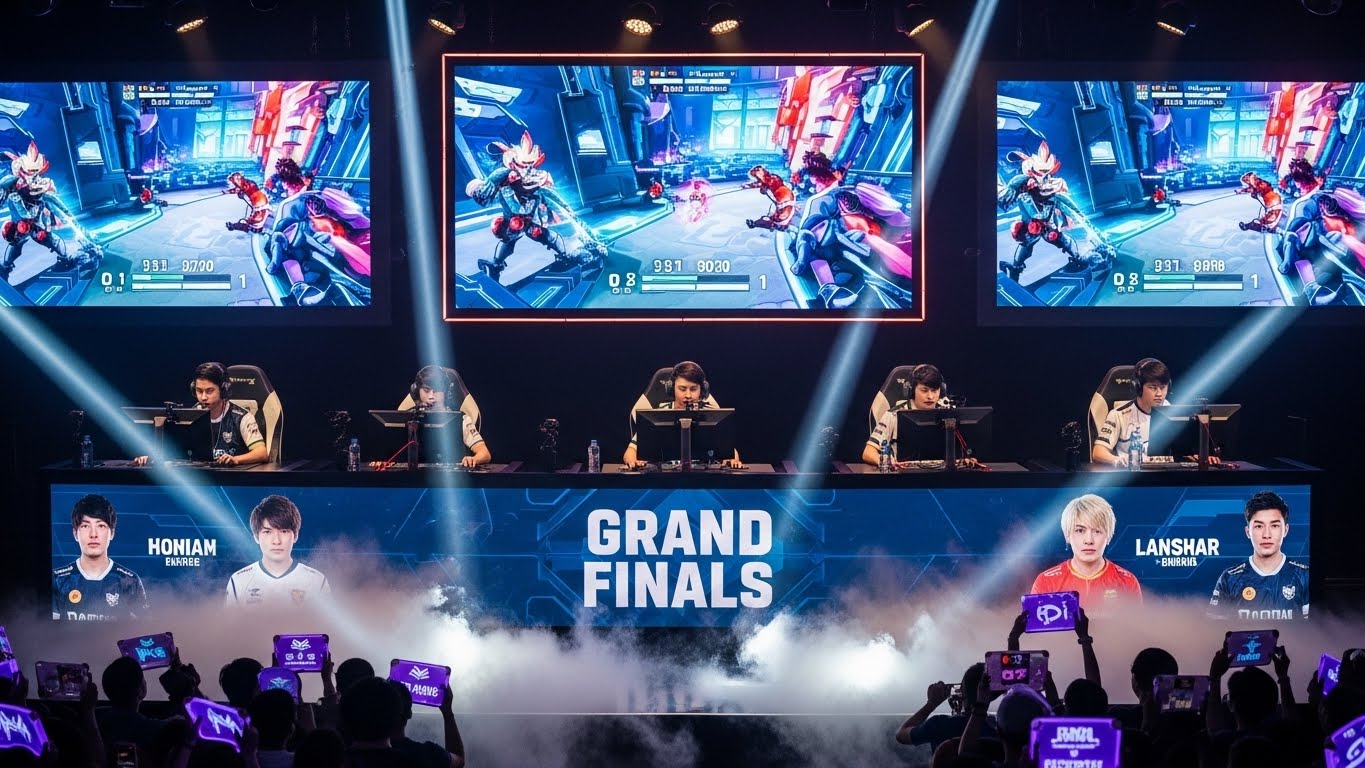
While much of Esports happens online, live events remain at the heart of its excitement. Major tournaments fill arenas with thousands of fans, complete with lights, music, and roaring crowds.
Events like The International and League of Legends World Championship showcase the scale of Esports as live entertainment. The production values rival — and sometimes surpass — traditional sports broadcasts, with massive screens, immersive sound design, and real-time stats enhancing the experience.
These live events also strengthen community bonds. Fans travel across countries to meet their favorite players, celebrate victories, and share their love for the game in person.
The Future of Esports
The future of Esports looks brighter than ever. As technology advances, we’ll see even more innovation in how games are played, watched, and experienced.
Virtual reality could introduce new genres of competitive gaming. Cloud computing will make high-performance play more accessible across devices. Blockchain and digital collectibles may transform how players and fans interact with in-game economies and team ownership.
Educational institutions will likely continue embracing Esports as part of academic and athletic programs. Governments and sports federations are also beginning to recognize Esports officially, paving the way for broader support and infrastructure.
Above all, the audience for Esports continues to grow. As generations raised on gaming enter adulthood, Esports will become an even more mainstream part of global culture — just as natural to follow as football or basketball.
Esports as a Cultural Movement
Beyond competition and business, Esports represents a cultural shift. It reflects how digital technology has redefined community and identity. Fans don’t just watch games; they form friendships, create art, build content, and contribute to a global movement that transcends geography and language.
Esports is also shaping how we think about entertainment. It merges play with performance, interactivity with storytelling, and creativity with strategy. It challenges traditional ideas of what sports can be — proving that competition, skill, and teamwork can thrive in digital worlds just as much as physical ones.
Conclusion: More Than Just Games
Esports began as a simple idea — people competing in video games for fun. But what it’s become is far more than that. It’s a global ecosystem that brings together players, fans, creators, and businesses under one digital roof.
It celebrates human potential, creativity, and connection in a way few industries can match. Whether you’re a lifelong gamer or a curious observer, Esports offers something to appreciate — from the precision of its players to the passion of its community.
As the line between physical and digital continues to blur, Esports stands as one of the most remarkable cultural developments of the 21st century. It’s not just the future of gaming — it’s a reflection of how we play, compete, and connect in a rapidly changing world.