Introduction: The Birth of a Digital Revolution
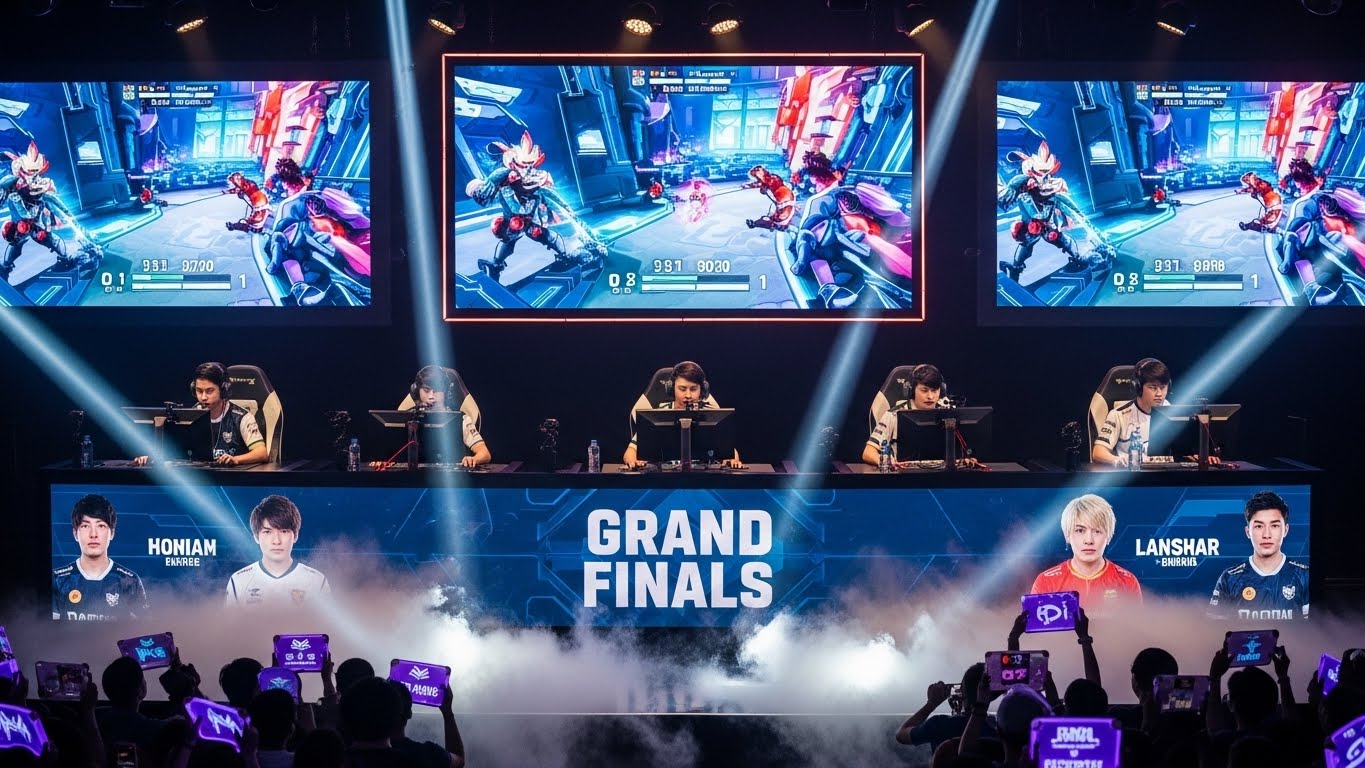
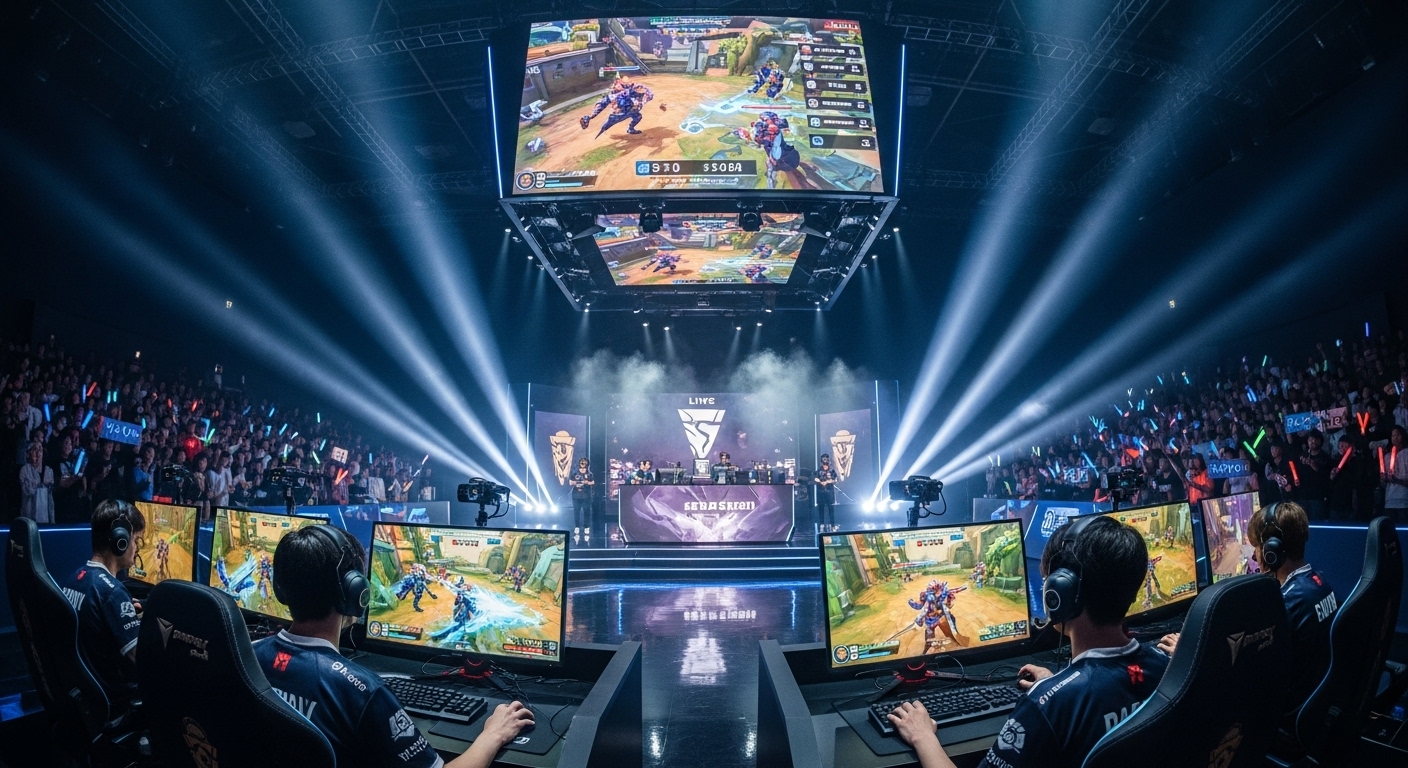
In the last two decades, the world has witnessed an extraordinary transformation in how entertainment, competition, and technology intersect. At the heart of this shift lies Esports—a once-niche hobby that has evolved into a multi-billion-dollar global phenomenon. What started as casual gaming sessions among friends has become an organized, professional, and internationally celebrated form of competition. Esports combines passion, skill, and digital innovation, creating a world where gamers can become global celebrities and fans can fill stadiums to watch their favorite teams compete.
The story of Esports is not just about video games. It is about how culture, community, and technology converged to redefine sportsmanship, media, and even education. From its early beginnings in the 1980s and 1990s to its massive growth in the 21st century, Esports has reshaped the entertainment landscape, and it continues to influence how we define the future of digital interaction.
The Early Days: Seeds of Competitive Gaming
Before Esports became a mainstream spectacle, competitive gaming existed in simpler forms. The first recorded video game competition took place in 1972 at Stanford University, where students competed in the game Spacewar. The prize was modest—a year’s subscription to Rolling Stone magazine—but it marked the birth of organized gaming.
In the 1980s, arcade games like Pac-Man, Donkey Kong, and Space Invaders fueled the idea of high-score competitions. Players would spend hours trying to set records on arcade machines, often immortalizing their initials on leaderboards. One of the earliest Esports-style tournaments was the Space Invaders Championship in 1980, organized by Atari, which attracted over 10,000 participants across the United States. This was a monumental moment that hinted at the potential of gaming as a spectator and community-driven activity.
The rise of consoles in the late 1980s and early 1990s brought new possibilities. Games like Street Fighter II, Mortal Kombat, and Super Smash Bros. became the foundation for head-to-head competitions. Local gaming communities began organizing small tournaments in arcades, basements, and local conventions—seeding the Esports culture that would later explode on a global scale.
The Internet Age: The Real Catalyst
The true birth of modern Esports came with the rise of the internet in the late 1990s and early 2000s. Online multiplayer gaming revolutionized the landscape by allowing players to compete globally without being in the same location. Games like StarCraft, Counter-Strike, and Quake became pioneers of the online competitive era.
South Korea played a pivotal role in shaping Esports into a professional industry. During the late 1990s, the country experienced a technological boom with high-speed internet becoming widely accessible. StarCraft: Brood War emerged as a cultural phenomenon, and television channels began broadcasting professional gaming matches. This era saw the birth of gaming celebrities like Lim “BoxeR” Yo-hwan and Lee “Flash” Young-ho, who became household names in Korea. The government supported the development of Esports organizations, forming associations like the Korean e-Sports Association (KeSPA) to regulate and promote the industry.
Meanwhile, in the West, online platforms such as Battle.net, GameSpy, and later Steam enabled global matchmaking and ranking systems, laying the groundwork for large-scale tournaments. The Cyberathlete Professional League (CPL), founded in 1997, was among the first organizations to host international tournaments with substantial prize pools, signaling that gaming could be a legitimate profession.
The 2000s: The Rise of Esports Organizations and Global Tournaments
By the early 2000s, Esports began gaining significant traction worldwide. Games like Counter-Strike 1.6, Warcraft III, and Halo 2 fostered competitive communities that crossed borders. Events such as the World Cyber Games (WCG), Electronic Sports World Cup (ESWC), and Major League Gaming (MLG) established the foundation of global Esports circuits.
These tournaments were not just about playing games—they represented cultural gatherings of like-minded enthusiasts who believed in the competitive potential of gaming. MLG, in particular, brought Esports to mainstream North American audiences through televised and live-streamed events. The increasing availability of broadband internet made it possible for fans around the world to watch live competitions, creating early online fan bases.
Professional gaming organizations began forming, with players signing contracts, earning salaries, and receiving sponsorships. Teams such as Fnatic, SK Gaming, and Natus Vincere (Na’Vi) became well-known across multiple gaming titles. These organizations introduced structure, branding, and legitimacy, turning Esports from a hobby into a sustainable industry.
Streaming Revolution: Twitch and the Democratization of Viewership
The 2010s were the decade when Esports truly exploded, largely due to the rise of streaming platforms. Twitch, launched in 2011, became the beating heart of gaming culture. It provided a space where anyone could broadcast gameplay, interact with audiences, and build communities. More importantly, it allowed Esports events to reach millions of viewers without the constraints of traditional broadcasting.
Major tournaments began drawing massive online audiences. The League of Legends World Championship in 2013 attracted over 30 million viewers—numbers comparable to major traditional sporting events. Dota 2’s The International shattered records with its multi-million-dollar prize pools, funded by in-game purchases from fans.
Streaming also created new career opportunities. Professional players became influencers, and casters (commentators) turned into celebrities. Content creators began blending entertainment with Esports, blurring the lines between competition, streaming, and digital storytelling. Twitch democratized Esports by giving every player a stage and every fan a front-row seat.
Iconic Games That Defined Esports
Certain games stand out as pillars of the Esports ecosystem. Each brought unique gameplay mechanics, communities, and cultural impact that helped shape the industry.
1. League of Legends
Developed by Riot Games, League of Legends (LoL) became a cornerstone of modern Esports. Its free-to-play model, strategic gameplay, and regular updates made it globally accessible. Riot’s consistent investment in competitive structure and storytelling turned LoL into one of the most watched Esports worldwide, with annual championships held in sold-out arenas.
2. Dota 2
Valve’s Dota 2 emerged as one of the most complex and prestigious Esports titles. Known for its incredible depth and strategy, it built a loyal and analytical fanbase. The International (TI), its flagship event, redefined Esports economics by introducing crowdfunding for prize pools. TI’s community-driven funding model led to record-breaking prizes, with some tournaments exceeding $40 million.
3. Counter-Strike: Global Offensive
Few games have had as lasting an impact as Counter-Strike. From LAN cafes to massive global stages, CS has been synonymous with teamwork, precision, and tension. CS:GO refined the formula and established a global professional circuit with iconic events like ESL One, DreamHack, and the Majors.
4. Overwatch
Blizzard’s Overwatch brought color, character, and personality to Esports. Its team-based gameplay emphasized diversity and storytelling. The Overwatch League (OWL) was one of the first attempts to franchise Esports similarly to traditional sports, introducing city-based teams and professional structures.
5. Fortnite
Epic Games’ Fortnite blurred the line between casual and competitive gaming. Its massive cultural impact, crossover events, and open accessibility brought millions of new fans into Esports. The Fortnite World Cup showcased the power of youth in gaming, with teenage champions earning life-changing prizes.
6. Mobile Esports
With the growth of smartphones, mobile games like PUBG Mobile, Mobile Legends: Bang Bang, and Free Fire created new Esports markets, particularly in Asia and Latin America. Mobile Esports opened doors for millions who didn’t have access to high-end PCs, making competitive gaming truly global.
Professionalism and Industry Growth
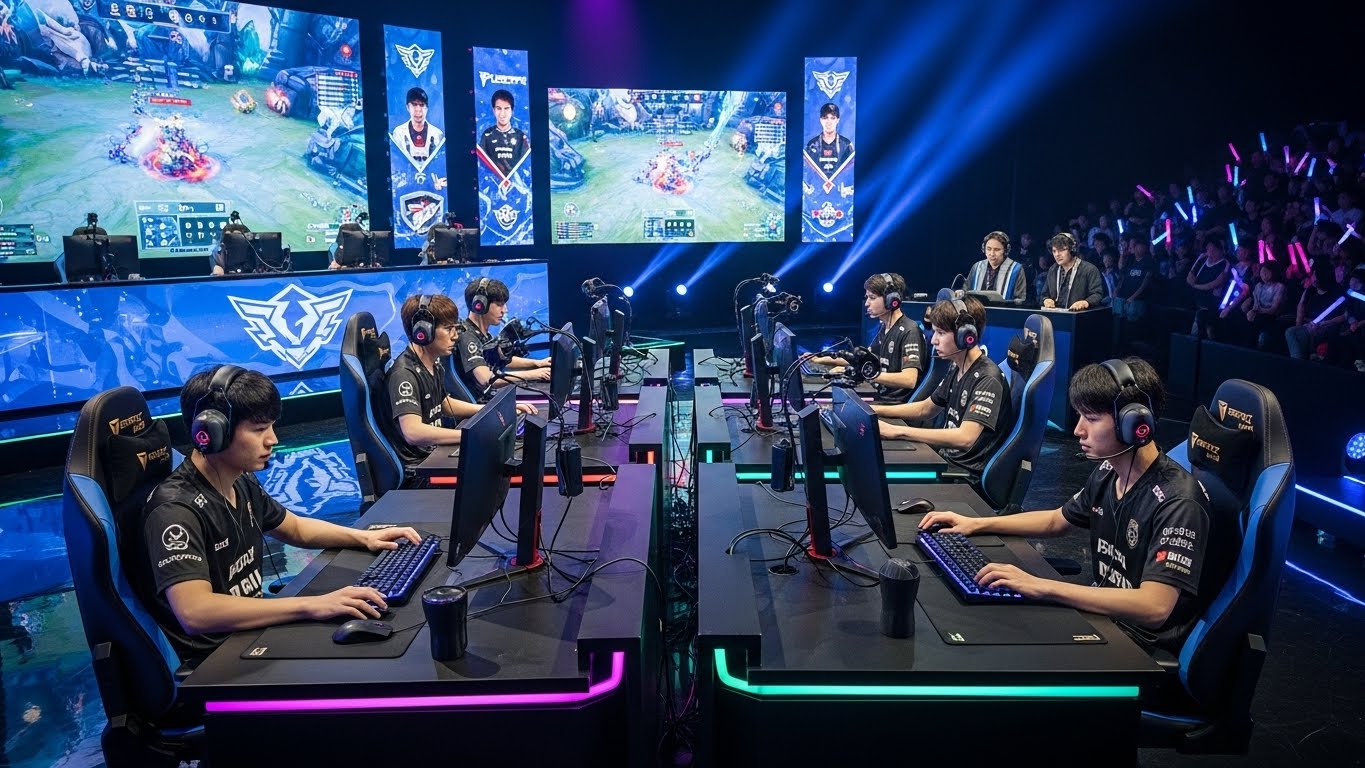
Esports today is an industry that mirrors traditional sports in structure and professionalism. Players sign contracts, attend boot camps, follow rigorous training schedules, and compete in leagues governed by rules and ethics. Teams have coaches, analysts, nutritionists, and even mental health professionals to support players’ well-being.
Sponsorships and advertising became the main revenue streams for Esports organizations. Major brands like Intel, Red Bull, Coca-Cola, and Mercedes-Benz have invested heavily in the space. Esports events now fill stadiums such as Madison Square Garden and the Staples Center, drawing live audiences in the tens of thousands.
In addition to sponsorships, media rights and merchandise have become significant sources of income. Some Esports organizations operate like lifestyle brands, producing apparel, content, and collaborations beyond gaming. The industry has matured into a sustainable ecosystem with multiple revenue channels, attracting investors, celebrities, and traditional sports teams.
Education and Esports: A New Academic Frontier
The academic world has begun recognizing the value of Esports, not just as entertainment but as a legitimate career path. Universities across North America, Europe, and Asia now offer Esports scholarships, management programs, and research initiatives. Students can study game design, marketing, psychology, and event management, all centered around competitive gaming.
Esports education also emphasizes teamwork, leadership, and critical thinking—skills highly applicable beyond gaming. High schools and colleges now host Esports clubs and tournaments, nurturing future players, broadcasters, and industry professionals.
Cultural Impact: A New Generation of Heroes
Esports has redefined celebrity culture. Where once athletes or musicians dominated fandom, now professional gamers and streamers command massive online followings. Figures like Faker, s1mple, and Ninja are known worldwide, not only for their skill but for their influence in digital culture.
Streaming and social media have made these personalities accessible to fans in ways traditional sports rarely could. Esports celebrates diversity—players from different nations, backgrounds, and even genders can rise to stardom based purely on performance. The sense of global connection among fans fosters unity and shared enthusiasm.
Moreover, Esports has played a role in bridging generations. Parents who once dismissed gaming as a distraction now find themselves cheering for their children in national tournaments. The shift in perception has been monumental, turning gaming from a pastime into a profession worthy of pride and respect.
Challenges Facing the Esports Industry
Despite its rapid growth, Esports faces several challenges that need addressing for sustainable development.
1. Player Burnout
Professional gaming demands long hours of practice, often exceeding ten hours a day. The mental and physical toll leads to early retirements and health issues. As the industry matures, more emphasis is being placed on player welfare and balanced training regimens.
2. Regulatory Framework
Unlike traditional sports, Esports lacks a unified governing body. This leads to inconsistent rules, varying tournament standards, and occasional conflicts between game publishers and tournament organizers. A standardized global framework could improve transparency and fairness.
3. Financial Stability
While top-tier organizations thrive, smaller teams struggle with sustainability. Prize money distribution is uneven, and reliance on sponsorships creates financial uncertainty. Diversifying revenue sources is crucial for long-term stability.
4. Toxicity and Ethics
Online communities can sometimes foster toxic behavior, including harassment and cheating. Maintaining a positive and inclusive environment remains a core challenge for both developers and tournament organizers.
The Future of Esports: Beyond Screens and Borders
The future of Esports is bright, diverse, and limitless. As technology advances, new formats like Virtual Reality (VR) and Augmented Reality (AR) are likely to redefine how we experience competitive gaming. The integration of artificial intelligence could enhance player training and audience analytics, making competitions more immersive and intelligent.
Cross-platform play and the rise of cloud gaming will make Esports more accessible than ever. Geographic boundaries will matter less as players from rural areas or developing countries can compete on equal footing with those in urban centers.
Traditional sports organizations are also embracing Esports partnerships, recognizing the value of digital engagement. Hybrid events that combine physical sports and gaming are emerging, reflecting the evolving nature of entertainment.
Moreover, Esports may play a role in education, therapy, and even global diplomacy. As a universal language that transcends barriers, gaming can connect people across borders, fostering collaboration and understanding in an increasingly digital world.
Conclusion: The Legacy of Esports
Esports is not just a trend—it is a movement that has reshaped how humanity experiences competition and connection. From the pixelated arcades of the 1980s to the grand arenas of today, Esports represents a cultural shift driven by passion, technology, and creativity. It has given rise to new careers, inspired millions, and proven that virtual battles can have real-world impact.
The journey of Esports is far from over. As new generations pick up controllers, keyboards, and mobile devices, they are not just playing games—they are continuing a legacy of innovation, community, and excellence. Whether you’re a player, a fan, or simply an observer, Esports stands as a testament to how far human imagination can go when competition meets connection.